
Free visual inspection and a written scope of work before any mitigation begins - photos, moisture readings, and drying logs go in your claim file
The scope we write is the scope we bill. Anything new gets shown to you, in writing, before we touch it.
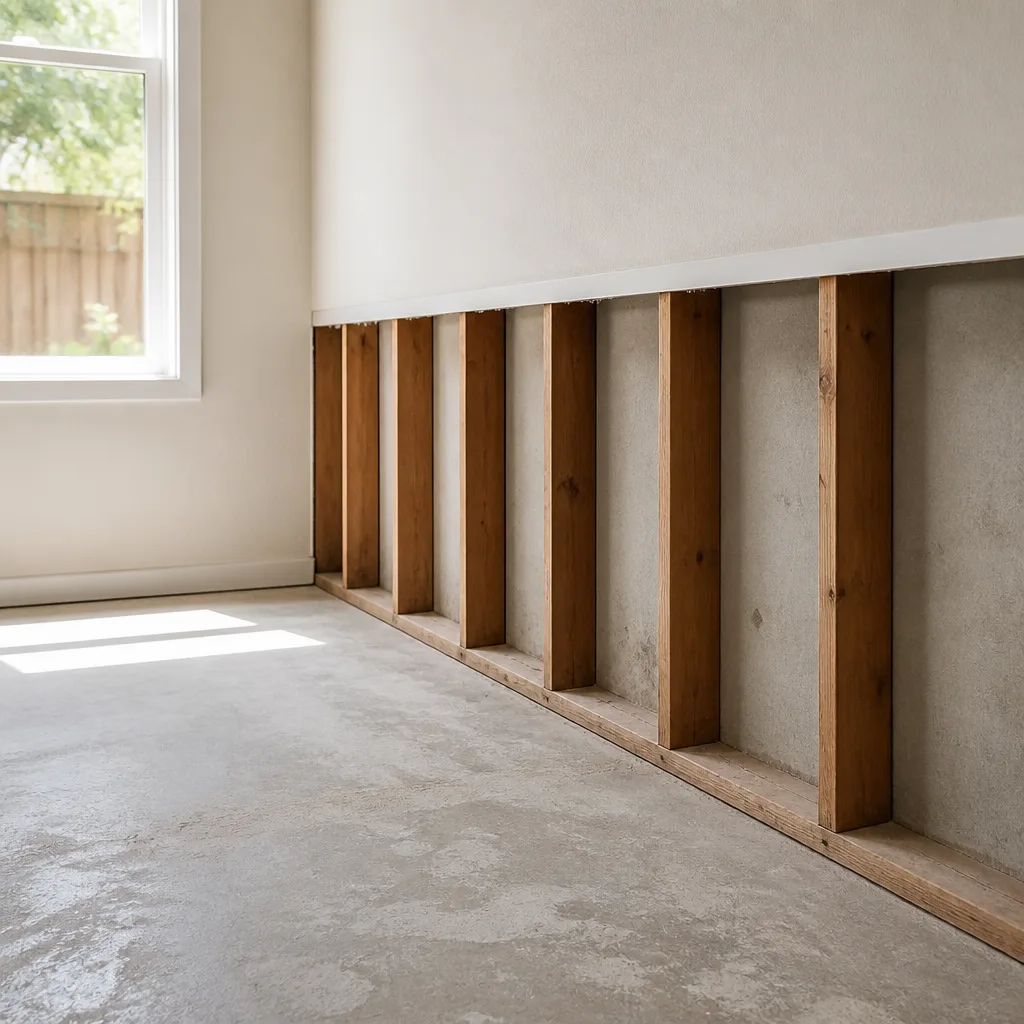
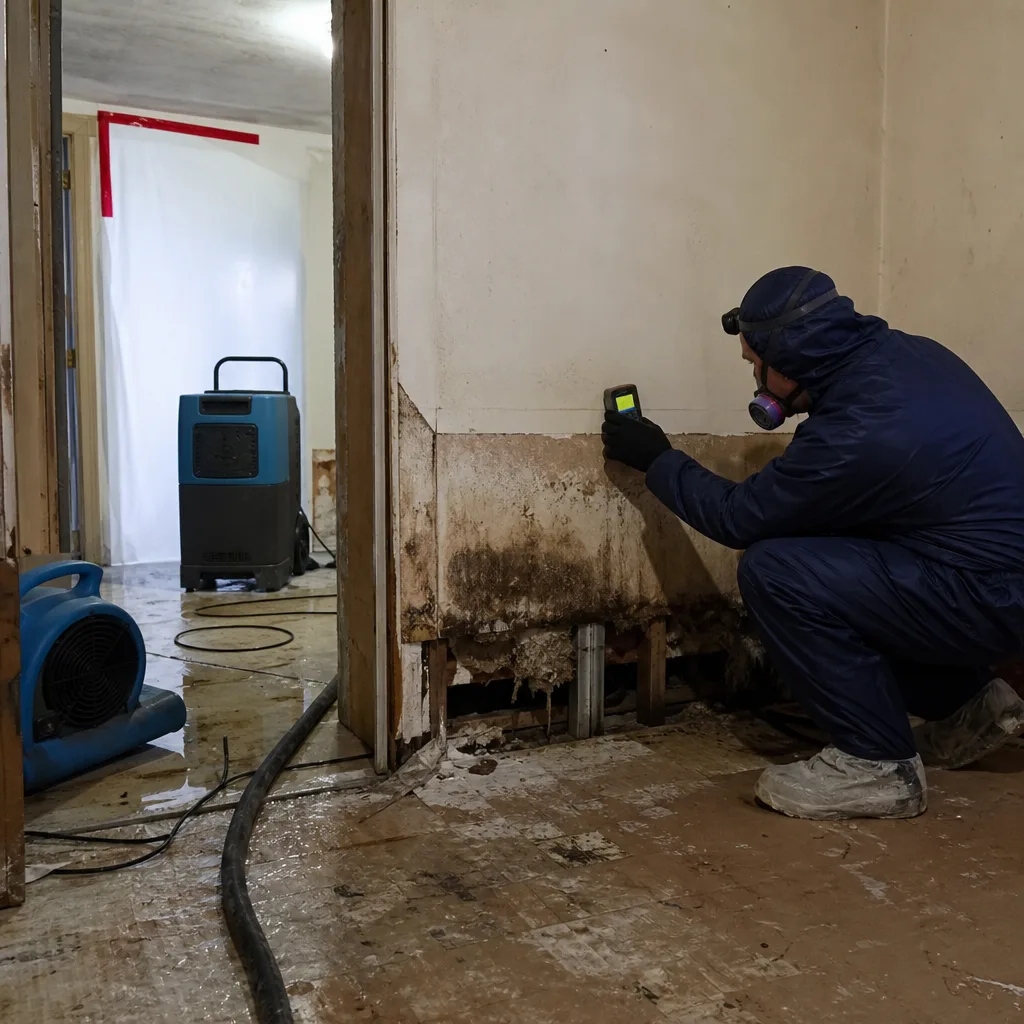 Before
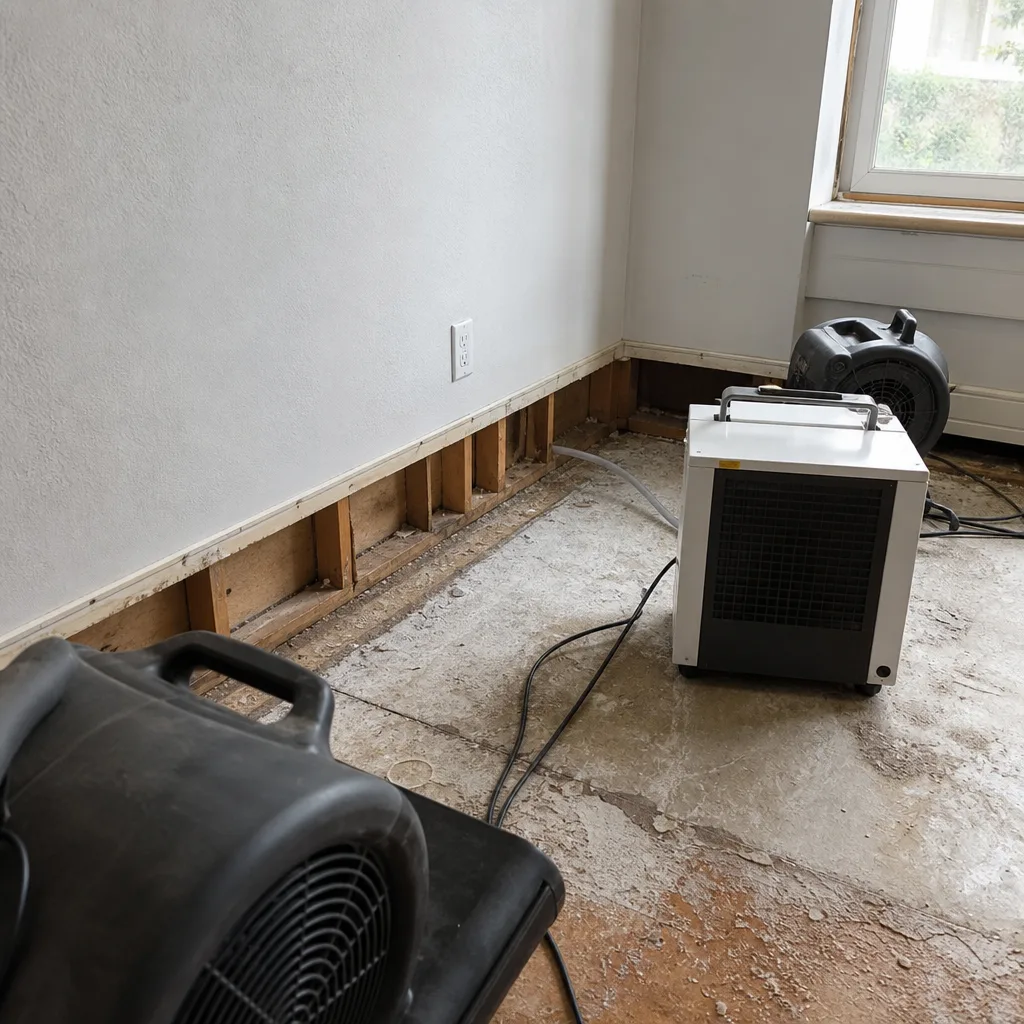 After
After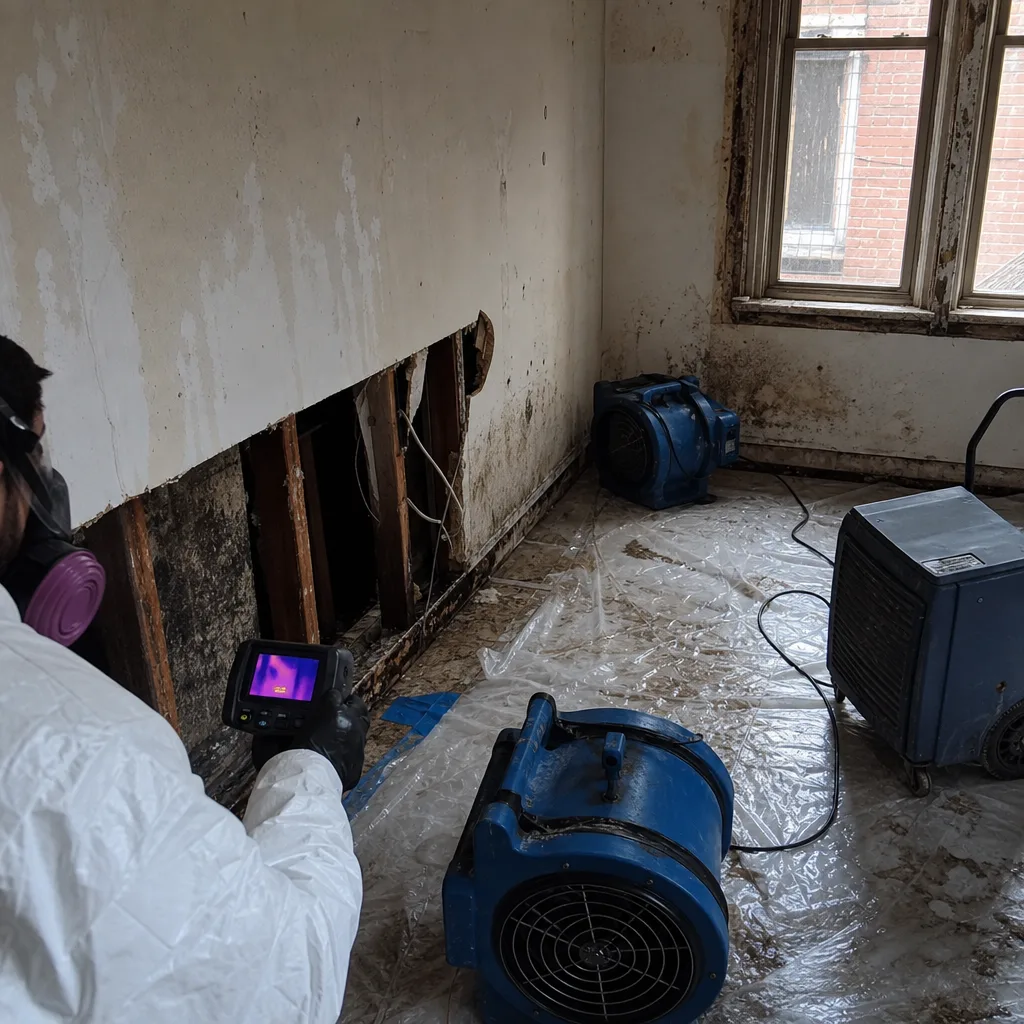 Before
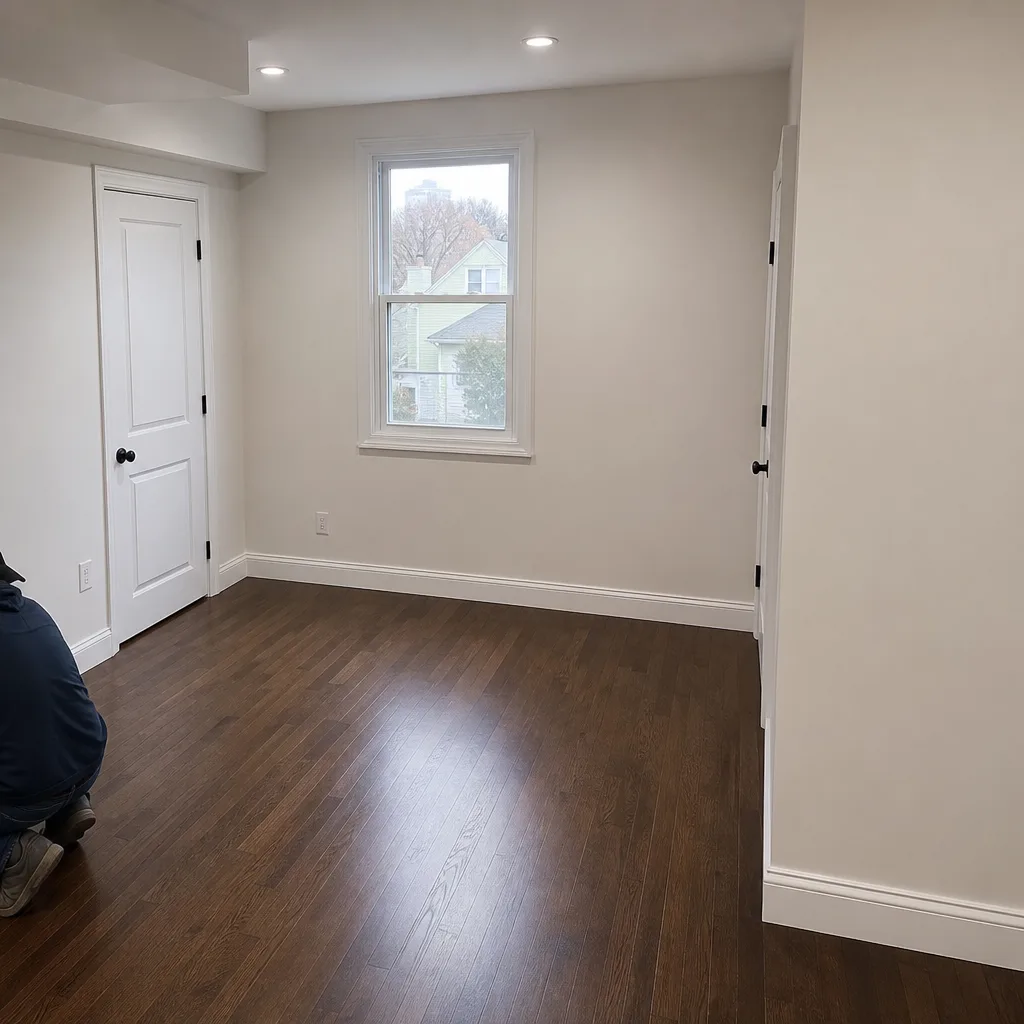 After
After24/7 Emergency Storm & Disaster Restoration in Harlem
Storm damage in Harlem doesn’t wait for business hours, and neither do we. A nor’easter hits at 2 a.m., a century-old steam riser lets go during a January deep freeze, a slate roof gives way after fifty years of freeze-thaw cycles. Call (518) 800-3751 and a live dispatcher answers. Not a recording, not a callback queue. That dispatcher sends a certified crew toward your block immediately, because the first hour after water intrusion inside a pre-war brownstone is the hour that determines whether you’re looking at a cleanup or a full gut rehab. The water that’s already moved into your horsehair plaster walls and clay tile floors doesn’t care that it’s a holiday weekend. We’ll be there when we say.
Understanding Storm & Disaster Restoration Severity in Harlem Properties
Storm damage restoration in Harlem gets complicated faster than in nearly any other part of New York City, and the reason is the buildings themselves. The core of the problem is simple: four- to six-story Romanesque and Renaissance Revival brownstones and tenement walkups built between 1885 and 1925 were not designed for modern moisture. Those original horsehair plaster walls act like a sponge. Clay tile floors trap water in subfloor sandwiches that never fully dry without forced air. Cast iron one-pipe steam systems run hidden inside walls and floors, and when a condensate line backs up or a valve packing fails during a storm, the water shows up two floors below where it started. Category 2 and Category 3 water intrusions happen fast in these buildings because shared party walls mean one unit’s damage migrates laterally into the adjacent brownstone’s joist pockets within hours. Moisture mapping with thermal imaging tells us where the water actually is, which in Harlem is rarely where the stain appears.
Why Harlem Property Owners Choose Floodline Restoration Co.
- 45-minute response commitment to any Harlem address. Our dispatch board shows every available crew and every open job. When you call, we know who’s closest and who’s on the way.
- A live person answers at 2 a.m., every time. Not an answering service. A dispatcher who can send crews, schedule the visual inspection, and start your claim documentation on that first call.
- IICRC-certified crews who know Harlem’s building stock. Our techs hold IICRC WRT and FSRT certifications, plus RIA and IFA training. More important, they know what’s behind the walls of a 1908 brownstone on Strivers’ Row versus a 1920s tenement walkup on Lenox Avenue.
- Free visual inspection before any work starts. We show up, walk it top to bottom, and tell you what we’re seeing. No charge, no pressure.
- Direct insurance billing. We handle the claim documentation, talk to your adjuster directly, and you never play messenger between us and the carrier.
- One team from first extraction to finished rebuild. The same crew that reads the moisture map on day one handles the daily readings, the drying logs, the hazmat containment, and the eventual reconstruction. No mid-job handoff to someone who doesn’t know the history.
Our Storm & Disaster Restoration Process
Inspection & Assessment
We walk the damage with thermal imaging and moisture meters, mapping the full extent before anything gets moved. In a Harlem brownstone, that means checking adjacent units and party walls, because the source is often not where the water shows.
Extraction & Stabilization
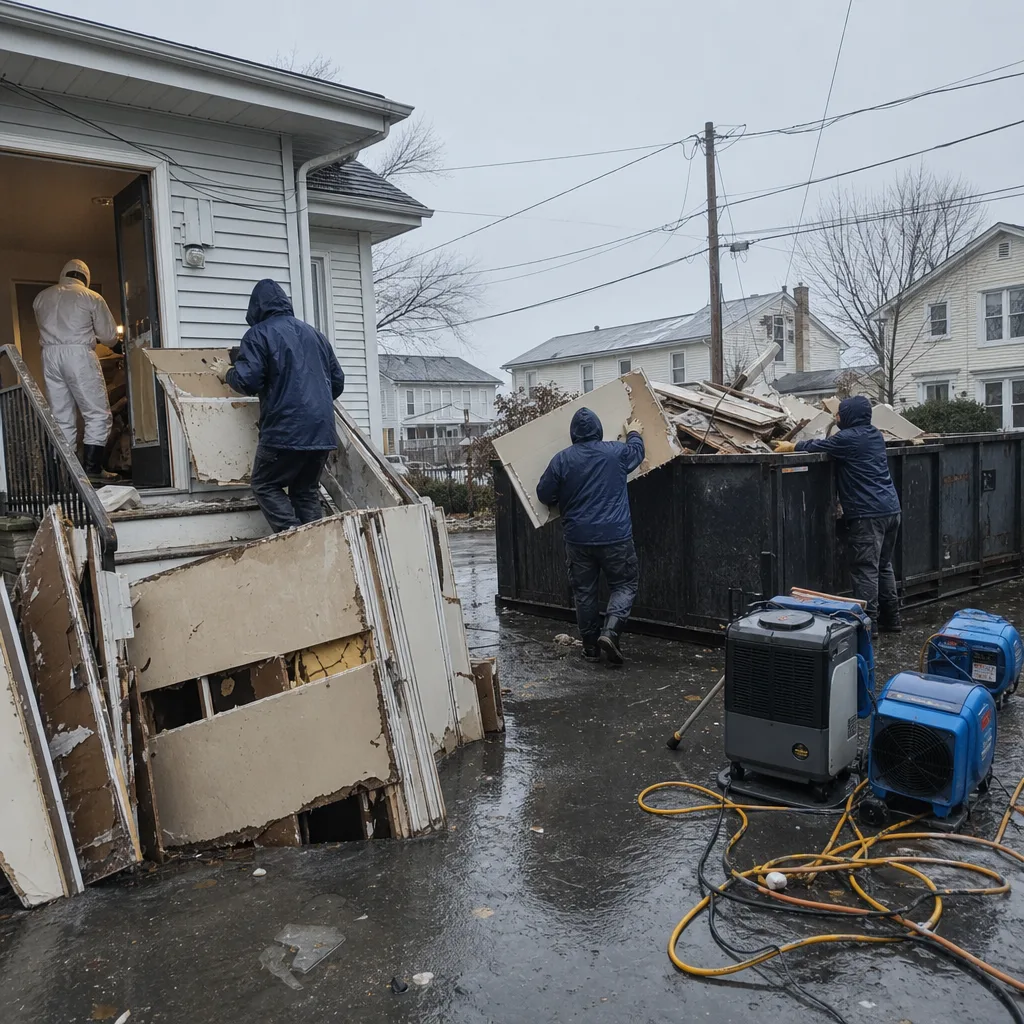
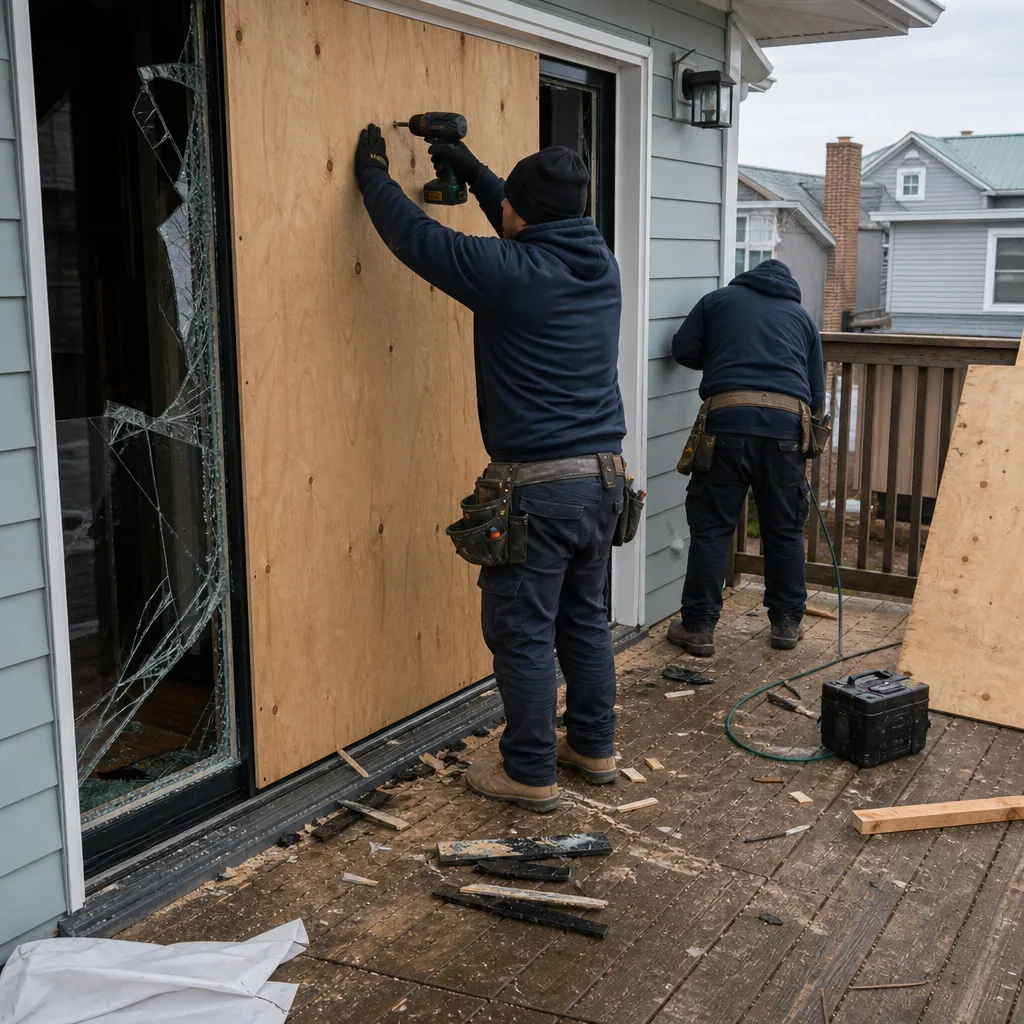
Standing water comes out first. At the same time, we stabilize what’s compromised: tarping openings, boarding up broken windows, and shoring up anything that’s structurally questionable after the storm.
Drying & Dehumidification
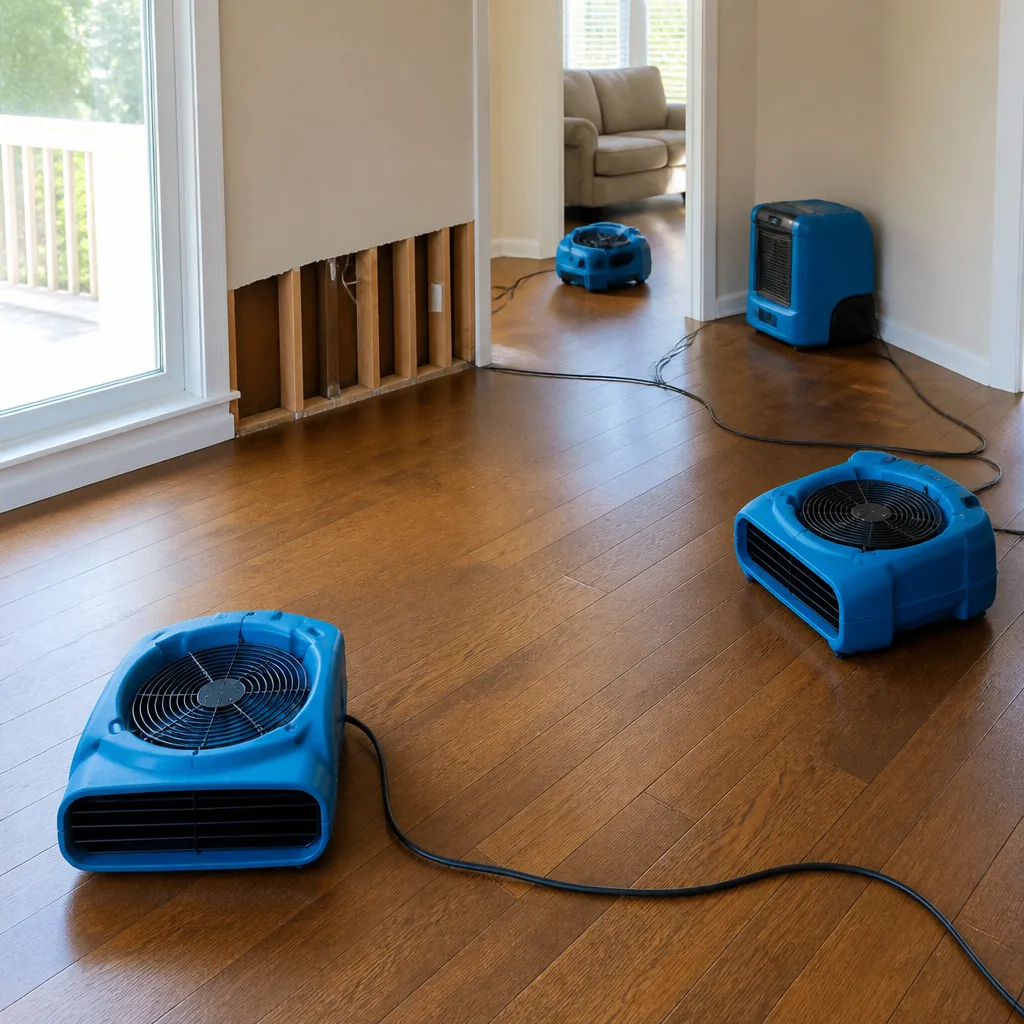
Professional-grade Dri-Eaz dehumidifiers and Phoenix air movers run on a moisture map, not a timer. Daily hygrometer readings are logged until the structural dry standard is met, with the log handed to you and your carrier.
Cleaning & Sanitization
Category 2 and 3 water in a pre-war building means contaminated plaster, lath, and flooring. We clean and sanitize everything that can be saved, and we tell you straight what can’t.
Hazmat & Regulatory Containment
In Harlem, this step is not optional. We handle NYC DEP asbestos protocols, Local Law 1 lead-paint compliance, and Landmarks Preservation Commission coordination before structural work moves forward.
Repairs & Restoration
Rebuilding is part of the job, not a handoff to a different company. Walls, floors, steam pipe repair, plaster restoration, finish work - the same crew that started the job finishes it.
Need Emergency Storm & Disaster Restoration in Harlem Now?
Crews minutes away, answering live 24 hours a day. The sooner we start, the less it costs.
Working With Your Insurance Company
We know what your carrier needs to see, and we build that file from the first hour. Every photo is timestamped and room-labeled. Every moisture reading goes into the log. Every scope item is line-itemed with the industry-standard pricing the adjuster expects. You don’t have to translate between us and your insurer. We talk to the adjuster directly, send the documentation, and answer questions as they come up. Your standing in the claim matters more than our invoice, and we’ve been doing this long enough to know those two things go together.
What We Provide Your Insurer
- Thorough documentation of the loss
- Photos of all damage, room by room
- Moisture readings and drying logs
- A detailed, line-item scope of work
- Direct coordination with your carrier
Built for Harlem’s Loss Calendar
Harlem’s storm damage follows a rhythm we’ve learned over years of local crews running the same blocks in the same seasons. January and February are the pipe burst months. The freeze-thaw cycles that punish Upper Manhattan between the Harlem River and the Hudson are brutal on the limestone and brownstone facades of buildings that have stood since before the First World War, and even more brutal on the cast-iron water mains feeding them. When a century-old riser freezes and splits on a zero-degree night, the water doesn’t stop at the apartment above you. It travels down through the dumbwaiter shaft, the stairwell walls, and the party wall shared with the brownstone next door. Spring brings nor’easters and roof failures. We see slate and copper roofing torn open by wind shear, then days of rain pushing water through the opening into lath-and-plaster ceilings. Summer thunderstorms flash-flood basement mechanical rooms and first-floor parlors, especially in the lower-lying blocks east of St. Nicholas Avenue. September brings the remnants of tropical systems up the Hudson. December through March is when we get most of our steam-heat calls: condensate backing up in sloped supply lines, valve packings failing, and water damage that shows up two floors below the source. In Harlem, the building itself is usually the weak point, not the storm that hits it.
Storm & Disaster Restoration Across Harlem’s Neighborhoods
The response time and the approach depend on where you are in Harlem, because the building stock shifts block by block. South Harlem, especially the blocks around West 116th Street and Morningside Park, has a mix of six-story elevator buildings and older walkups where a first-floor commercial water line break can send Category 3 water into the subfloors of a half-dozen residential units. We know the superintendents and supers on those blocks, which helps when we need access to the mechanical room. Central Harlem along Lenox Avenue and the side streets off West 125th Street holds the densest concentration of tenement walkups with original one-pipe steam and no mechanical ventilation. Those buildings need aggressive dehumidification, because the thick unreinforced masonry holds moisture for weeks without it. Strivers’ Row, on West 138th and West 139th between Adam Clayton Powell Jr. and Frederick Douglass Boulevards, requires a different touch entirely. Those Stanford White-designed brownstones face Landmarks Preservation Commission review for almost any exterior work, which means our board-up and tarping has to be done with the assumption that LPC will be weighing in before real restoration starts. Sugar Hill, Hamilton Heights, and the blocks around City College run into hillside drainage patterns that channel storm water down from the bluffs, saturating rear-yard foundations and basement floors in ways that flat blocks don’t see.
Specialized Storm & Disaster Restoration Services We Offer in Harlem
Storm Damage Cleanup
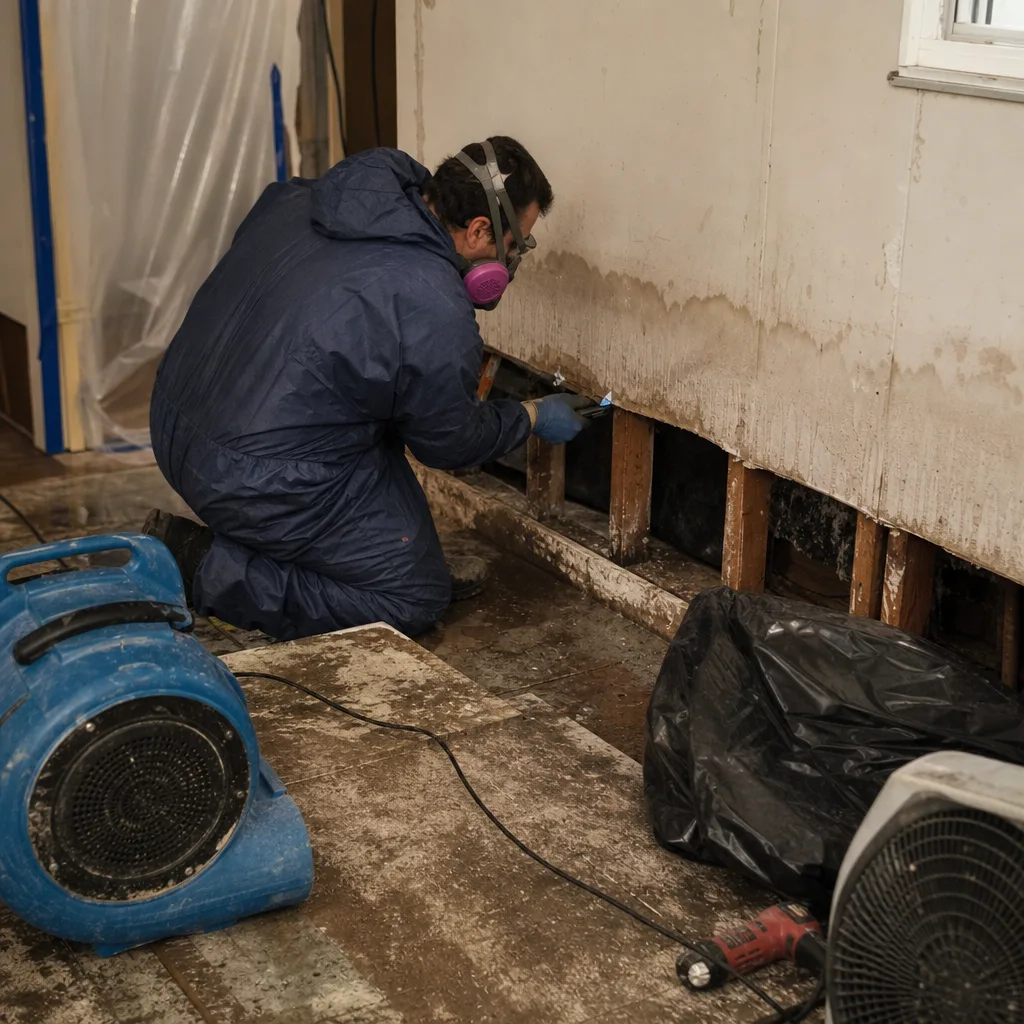
Storm cleanup in Harlem means more than removing water. It means pulling saturated horsehair plaster off lath before it collapses, cutting out affected sections of clay tile over original pine subfloor, and running HEPA air scrubbers to keep what’s in the old building materials from circulating through your apartment during the work. We handle the containment, the pack-out, and the structural drying as one continuous job because in these buildings, those steps can’t be separated.
Flood Damage Restoration
Flood restoration in Harlem usually starts with figuring out where the water actually came from. Is it the steam riser, the roof membrane, the cracked brownstone facade, or the party wall? If we don’t find the true source before we start drying, we’re just moving moisture around. Our techs check adjacent units as a matter of habit, because in a shared-party-wall brownstone, the water in your ceiling is rarely from your own pipes.
Emergency Board-Up
When a storm blows out a front window in a landmarked Harlem brownstone, the board-up is not just a piece of plywood. It’s the barrier that keeps criminals out, the weather out, and the moisture migration from spreading. We board up with the expectation that LPC will review the exterior work, so we photograph everything and note what’s temporary versus what will need a permit for replacement. A proper board-up done the first night prevents a break-in, additional water, and a bigger claim.
Roof Tarping
Tarping a torn-off section of slate roof on a four-story brownstone is not a ladder-and-parachute job. It requires a real perimeter containment around the work area, proper fall protection, and tarping material that can hold up to Harlem’s winter winds and freeze-thaw cycles. When a nor’easter tore slate off a West 138th Street brownstone, our techs set up full containment, tarped the opening with IICRC-grade poly, and then started moisture mapping the top floor. The Landmarks Commission approved the repair after our documentation showed the tarp alone had stopped further water intrusion, but the real work was keeping the opening sealed through two February freeze-thaw cycles until the masonry restoration got its sign-off.
Debris Removal
Storm debris in Harlem is not just branches and trash. It’s slate shingles off landmarked roofs, pieces of cornice that may contain lead paint, and saturated lath and plaster from interior ceilings. All of it has to be removed under protocols that keep your family safe and your building compliant. We handle the hazmat side as part of the cleanup, not as a separate add-on you find out about later.
What happens when you call
- 1
A real person answersNo phone trees - you reach a local pro.
- 2
You get an upfront price rangeHonest numbers before anyone is dispatched.
- 3
A background-checked tech heads outLicensed & insured, dispatched right away.
- 4
You approve before work beginsNothing starts until you say go.
Storm & Disaster Restoration Costs in Harlem, NY
A typical storm damage cleanup in Harlem runs $2,500 to $7,500 when it’s limited to one or two rooms with Category 1 or 2 water and no hazmat surprises. That covers extraction, drying, sanitization, and basic repairs like drywall and paint. Flood damage restoration in a brownstone with shared party wall issues and original steam heat tends to land between $8,000 and $25,000, because you’re dealing with structural drying through unreinforced masonry, potential asbestos-wrapped supply lines, and tile floors that trap moisture. Emergency board-up runs $400 to $1,500 depending on access difficulty and the size of the opening. Roof tarping on a four- to six-story Harlem building runs $1,200 to $4,500, with the higher end reflecting the containment equipment and the labor of accessing a landmarked facade safely. Debris removal with hazmat handling is usually $1,500 to $6,000 depending on what’s in the debris and whether DEP protocols apply. The single biggest cost driver in Harlem is regulatory: if asbestos abatement or Local Law 1 lead-paint protocols kick in, which they usually do in these buildings, the number goes up substantially. The free visual inspection is how you find out what you’re actually facing before anyone plugs in a dehumidifier.
We Also Serve Cities Near Harlem
Our Storm & Disaster Restoration crews work the blocks immediately surrounding Harlem, including Astoria, Ditmars Steinway, Upper Manhattan, and the Upper East Side. If your building is on the line between neighborhoods, call (518) 800-3751 and we’ll tell you which crew is closest.
Harlem Storm & Disaster Restoration Questions, Answered
Why does my Harlem brownstone need an asbestos survey before your crew can even start flood damage restoration?
Because buildings constructed between 1885 and 1925 almost always have asbestos-wrapped supply lines and asbestos-containing plaster behind the walls, and any water damage that reaches those materials triggers NYC DEP abatement protocols before restoration can proceed. In Harlem, this is the rule, not the exception.
The water came through my ceiling from the unit above, but the super says their pipes are fine. Where is it really coming from?
In Harlem’s pre-war brownstones and tenements, the actual source is almost never in the unit where the damage appears. We check the steam risers in adjacent units, the slope of condensate lines, and the party wall itself, because one-pipe steam systems hide water in ways that show up floors away from the source. Your super’s pipes may be fine; the shared masonry between your buildings is probably not.
How quickly can mold start in my Harlem tenement apartment after a window leak during a storm?
In Upper Manhattan’s humidity, especially in the thick unreinforced masonry walls of a tenement walkup, mold colonization can start within 24 to 48 hours of water intrusion. The lack of mechanical ventilation in these buildings makes it worse. A free visual inspection the day after a storm is the single smartest move.
My brownstone is landmarked. Can you tarp the roof and board up windows without LPC review?
Yes. Emergency board-up and tarping for life-safety and property protection are permitted before Landmarks Preservation Commission review. What matters is doing the emergency work correctly and documenting everything so the LPC application goes smoothly. We’ve done this on landmarked buildings throughout Harlem, including Strivers’ Row and the Hamilton Heights Historic District.
My building shares a party wall with the brownstone next door. How do you handle drying when the water came through both sides?
We treat the party wall as one structural element, not two sides of a property line. That means placing dehumidification on both sides of the wall, taking moisture readings from both units, and coordinating with the neighboring building. If we only dry your side, the moisture from the neighbor’s side re-soaks the masonry and your damage comes back within 48 hours.
How fast can a crew actually get to my Harlem apartment after I call?
Our commitment is 45 minutes to any Harlem address, day or night. We have crews continuously stationed across Upper Manhattan and the surrounding blocks. Call (518) 800-3751 and the live dispatcher will tell you who’s closest and exactly when they’ll arrive.
How long does full drying and remediation take in a Harlem brownstone after a storm?
Structural drying in a pre-war building with thick masonry walls and original plaster typically takes 5 to 10 days, not 2 to 3. The building’s age matters more than the amount of water. Our daily hygrometer readings show you the curve, and we don’t sign off until the dry standard is met, not when the schedule says to leave.
Can we stay in the apartment while the restoration work is happening?
It depends on the category of water, the extent of wall opening, and whether hazmat containment is in place. For small Category 1 or 2 jobs limited to one room, usually yes with containment barriers. For Category 3 or any job involving asbestos or lead abatement, we recommend relocation during the active remediation phase. We walk you through this in the first inspection.
Serving Harlem, NY - Our Local Coverage Area
We’re based in the Harlem area and know this community well. Use the map below to see our service coverage - if you’re nearby, we can almost certainly help.
What Makes Storm & Disaster Restoration in Harlem Different
Most storm and disaster restoration jobs in Harlem begin with a regulatory triage that does not exist anywhere outside Manhattan’s historic districts. Pre-war brownstones and tenement walkups built between 1885 and 1925 nearly always trigger simultaneous NYC DEP asbestos abatement, Local Law 1 lead-paint compliance, and Landmarks Preservation Commission review before structural work can start. That stack adds weeks and often tens of thousands of dollars to a scope that in Astoria or Ditmars Steinway would start the next day. The local failure mode is predictable: a contractor shows up with water extraction and air movers, discovers asbestos-wrapped supply lines behind wet lath, the job halts, the hazmat certification takes days, and the water keeps spreading. We know this pattern because we’ve been the second crew on enough of those jobs. Our Storm & Disaster Restoration in Harlem work starts with the regulatory picture in mind, not as a surprise discovered later. The 90-Day Done Right Promise, our Keystone Standard, is in writing, and it covers the whole job, the regulatory delays included. We stand behind it. Done right and backed in writing, that’s the square deal.
Call (518) 800-3751 for a free estimate. A live person answers, 24 hours a day, 7 days a week.
Written by Curt Bowman, Owner at Floodline Restoration Co., serving Harlem since 2010.