
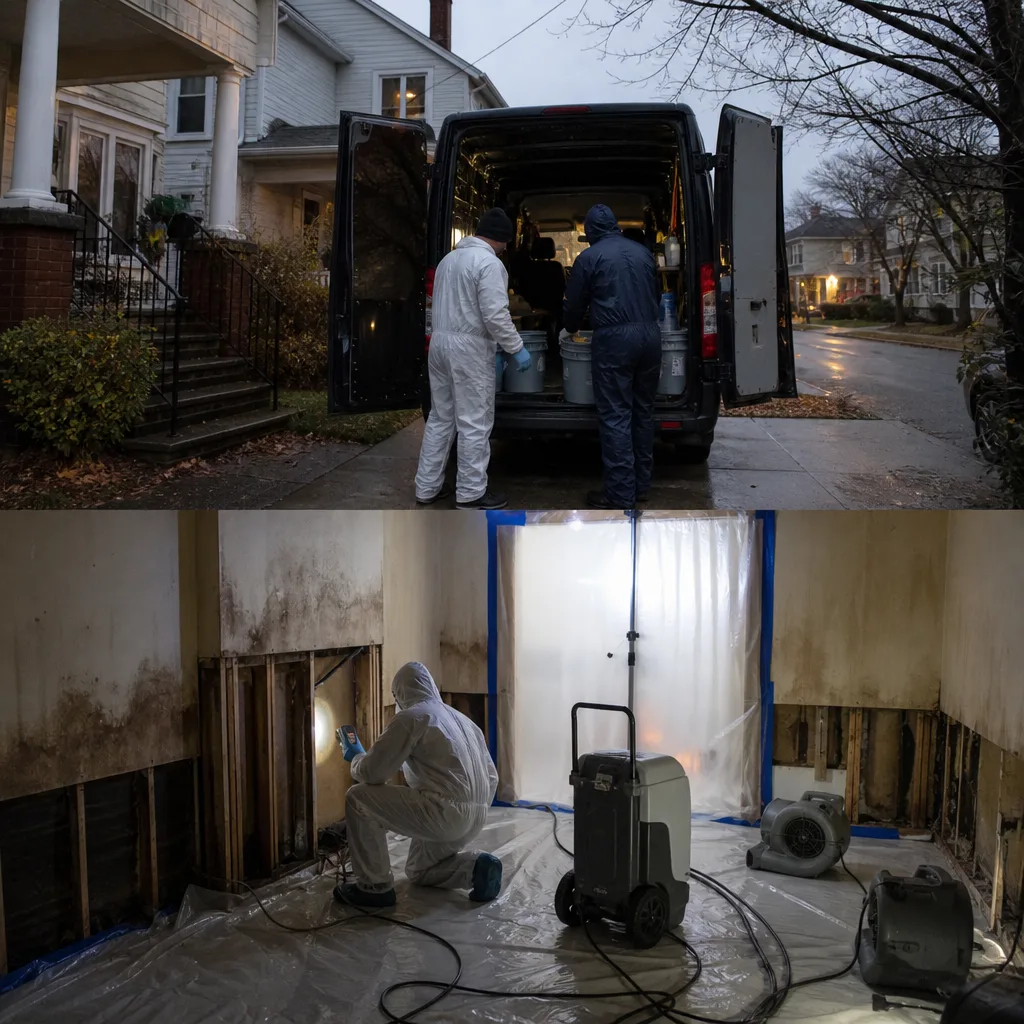
Free visual inspection and a written scope of work before any mitigation begins - photos, moisture readings, and drying logs go in your claim file
The scope we write is the scope we bill. Anything new gets shown to you, in writing, before we touch it.
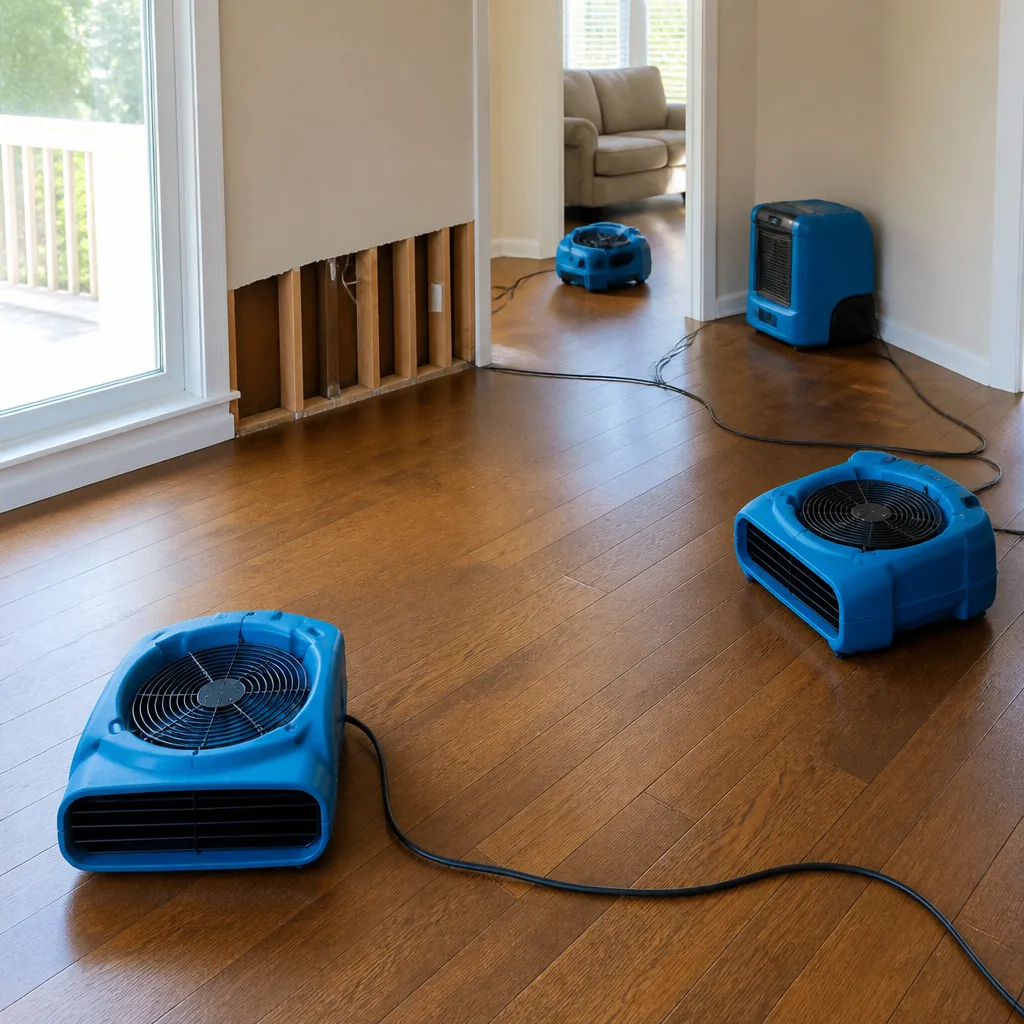
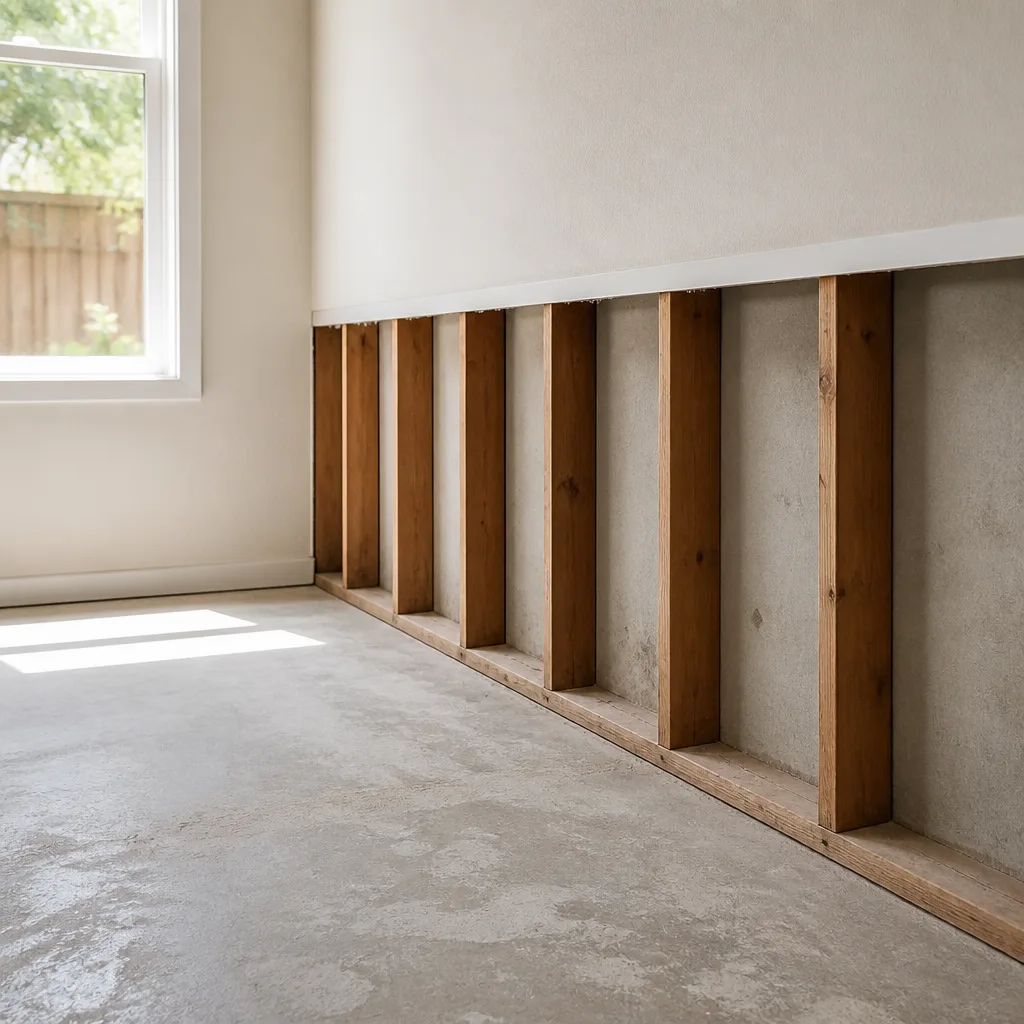
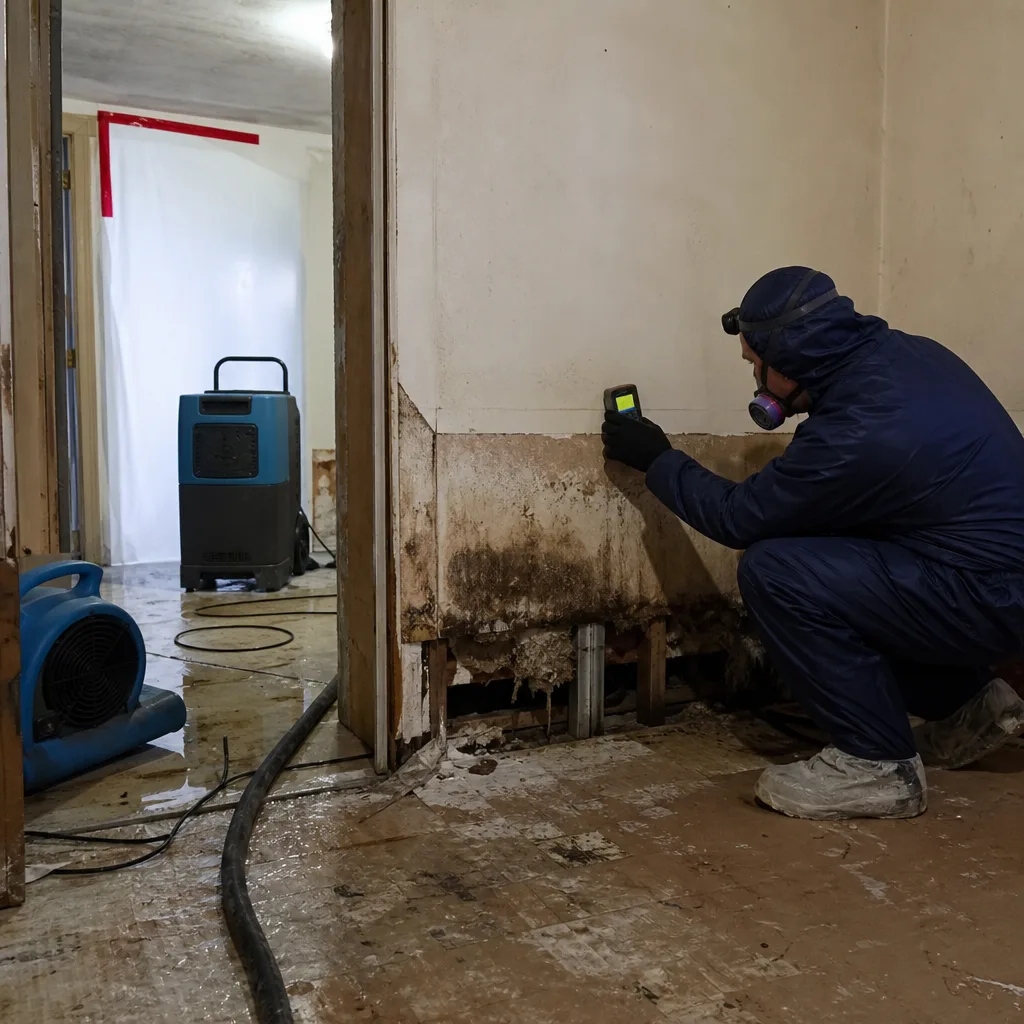 Before
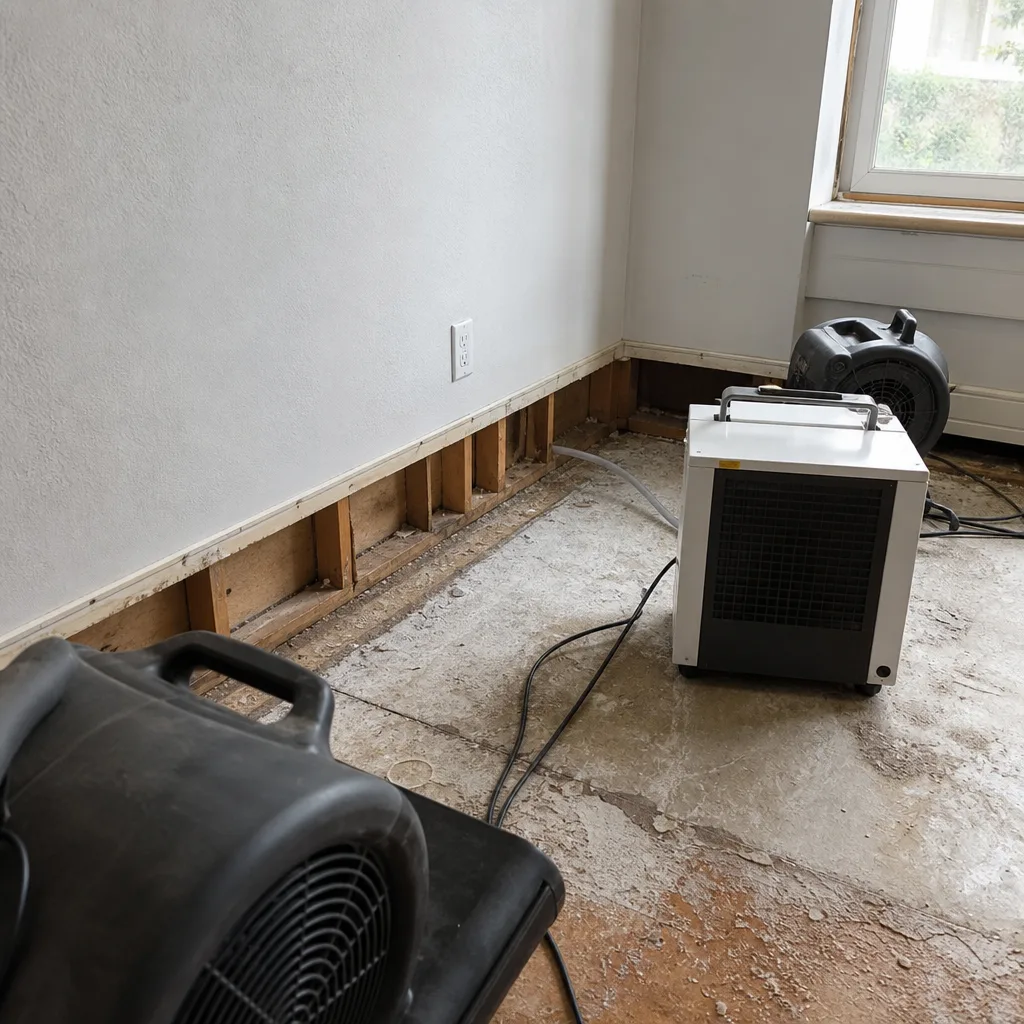 After
After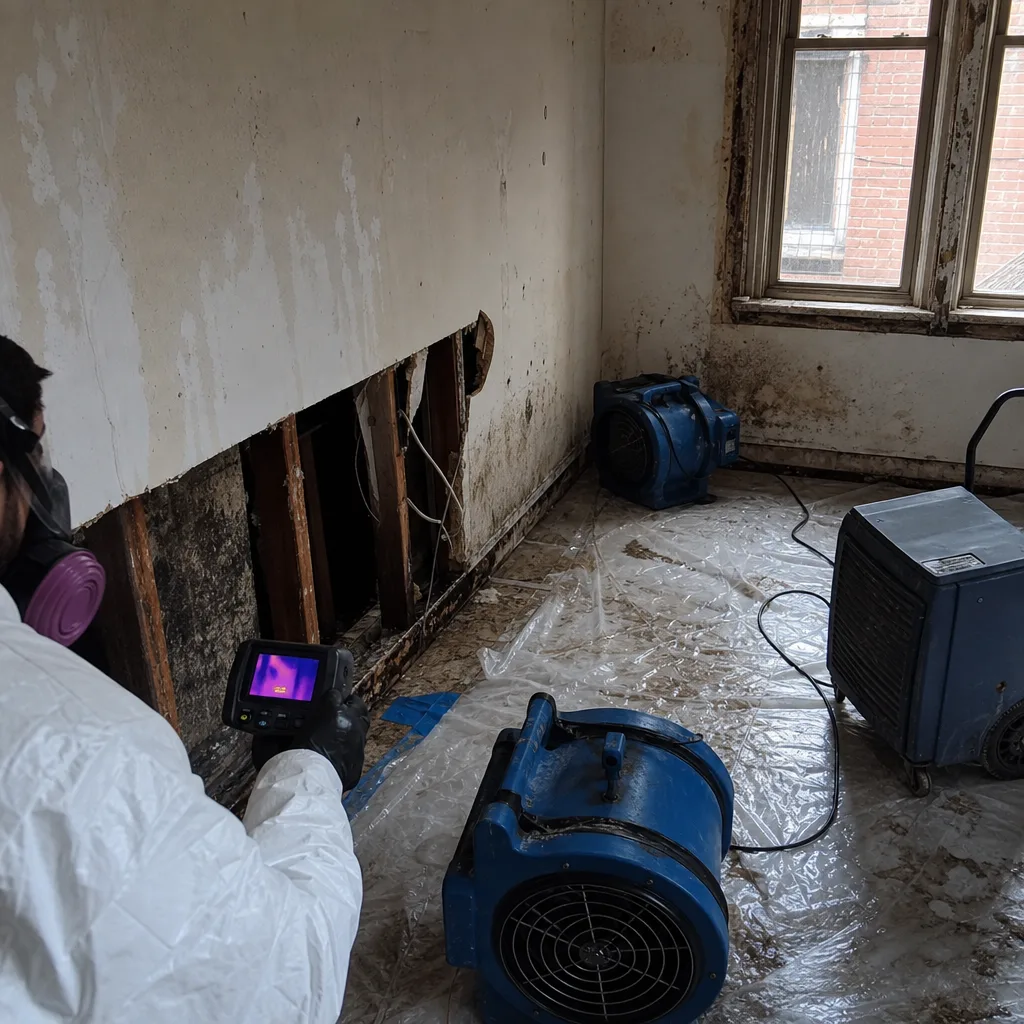 Before
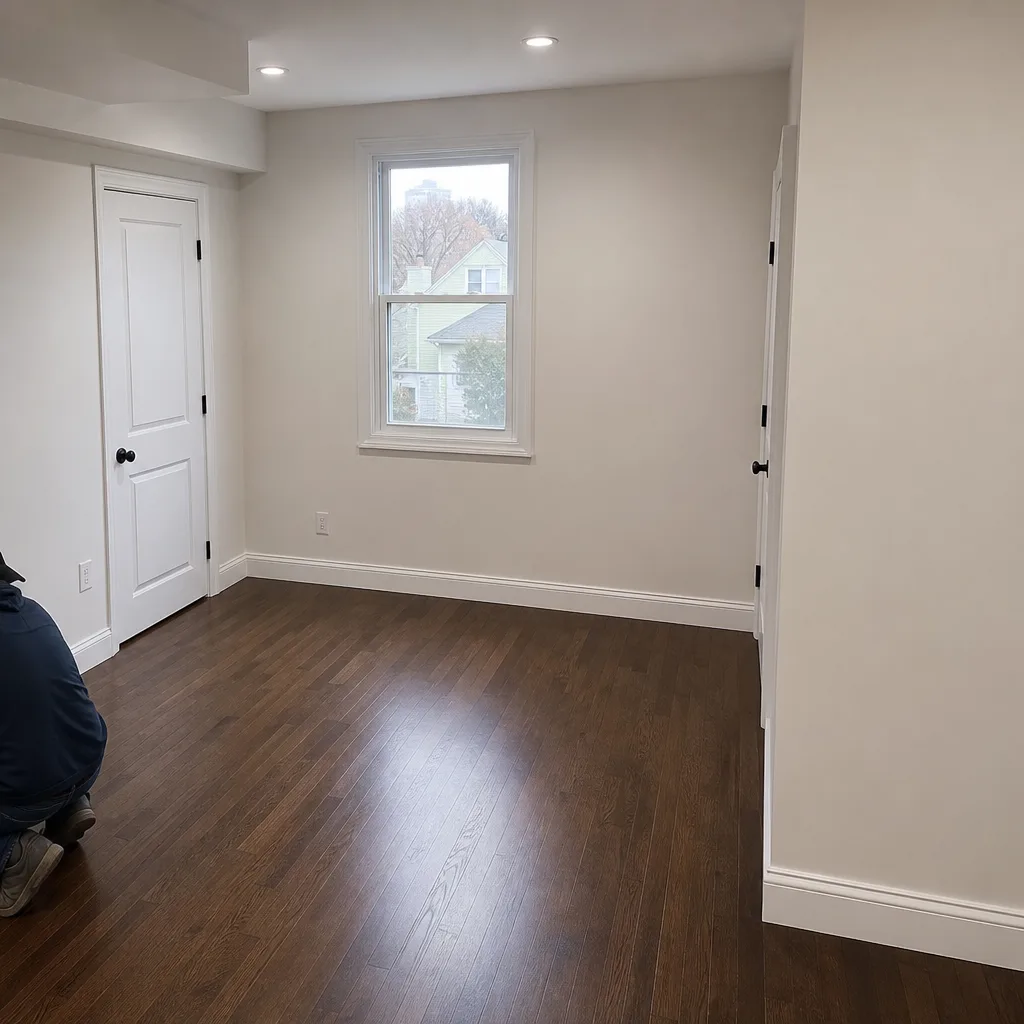 After
After24/7 Emergency Biohazard & Crime Scene Cleanup in Harlem
Biohazard and crime scene cleanup in Harlem typically runs $1,800-$6,500 depending on the scope, and our crews can be on site within 45 minutes of your call. We answer live at (518) 800-3751 around the clock, every day of the year. When blood, bodily fluids, or decomposition products sit inside a pre-war brownstone or tenement, the contamination spreads into porous plaster, original wood flooring, and shared masonry walls faster than most people realize. The first hour determines whether we’re cleaning one room or three. That’s why we dispatch from our New York City office with crews staged across Harlem, ready to seal the space, run HEPA air scrubbers, and stop the damage before it migrates into adjacent units.
Understanding Biohazard & Crime Scene Cleanup Severity in Harlem Properties
Not every biohazard cleanup is the same job, and Harlem’s housing stock makes severity assessment more technical than most property owners expect. Blood and bodily fluid contamination falls under OSHA’s bloodborne pathogen standard, requiring full personal protective equipment, regulated medical waste disposal, and surface decontamination with hospital-grade disinfectants. Trauma scenes and unattended deaths add decomposition fluids that penetrate into floorboards, subflooring, and the horsehair plaster original to many Harlem brownstones built between 1885 and 1920. That plaster is porous. It holds fluids and odor. And in many of these buildings, it also contains asbestos, which means disturbing it triggers NYC DEP abatement protocols before remediation can proceed. Infectious disease disinfection, tear gas residue from a law enforcement incident, or hoarding-related biohazard accumulation each carry their own containment and clearance requirements. In Harlem specifically, the shared party walls between attached rowhouses create a contamination pathway most generic cleanup companies miss: aerosols and fluids can travel through unreinforced masonry gaps into the building next door. A tech who checks only the unit where the incident occurred has not done the job. Our crew always assesses both sides of the wall.
Why Harlem Property Owners Choose Floodline Restoration Co.
- 45-minute response commitment: Our Harlem crews stage vehicles with full biohazard kits and HEPA air scrubbers, so we’re typically on scene inside the hour, not the next morning.
- A live person answers, 24/7: Call (518) 800-3751 at 2 a.m. and a dispatcher picks up. No recordings, no call-back promises, no “leave a message after the tone.”
- Certified to IICRC, RIA, and IFA standards: Our technicians carry the trauma scene and biohazard certifications required for regulated waste handling and bloodborne pathogen compliance.
- Free visual inspection before work begins: We walk the affected area, explain exactly what needs removal versus what can be cleaned, and write a scope you approve before we start.
- Direct insurance billing with photo documentation: We photograph everything, itemize every step, and coordinate with your adjuster so you never play messenger between us and the carrier.
- One team from containment to reconstruction: After cleanup we handle the rebuild, so you don’t inherit a second crew or get stuck coordinating a third-party carpenter for the repair phase.
Our Biohazard & Crime Scene Cleanup Process
Inspection & Assessment
We identify the full contamination footprint, including penetration into flooring, plaster, and shared party walls. In Harlem’s pre-war buildings, we check for asbestos in any material we’ll disturb and flag Local Law 1 lead-paint surfaces that require clearance before removal.
Containment & Air Scrubbing
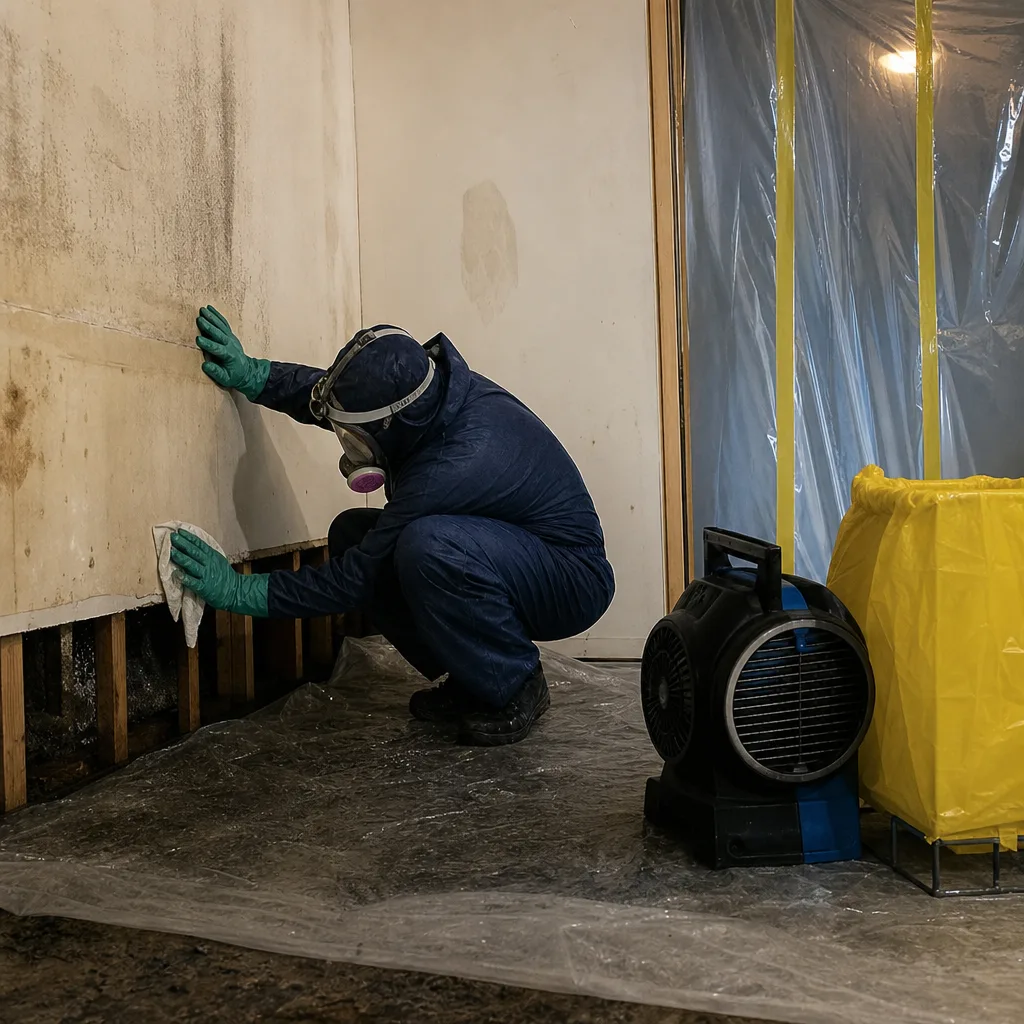
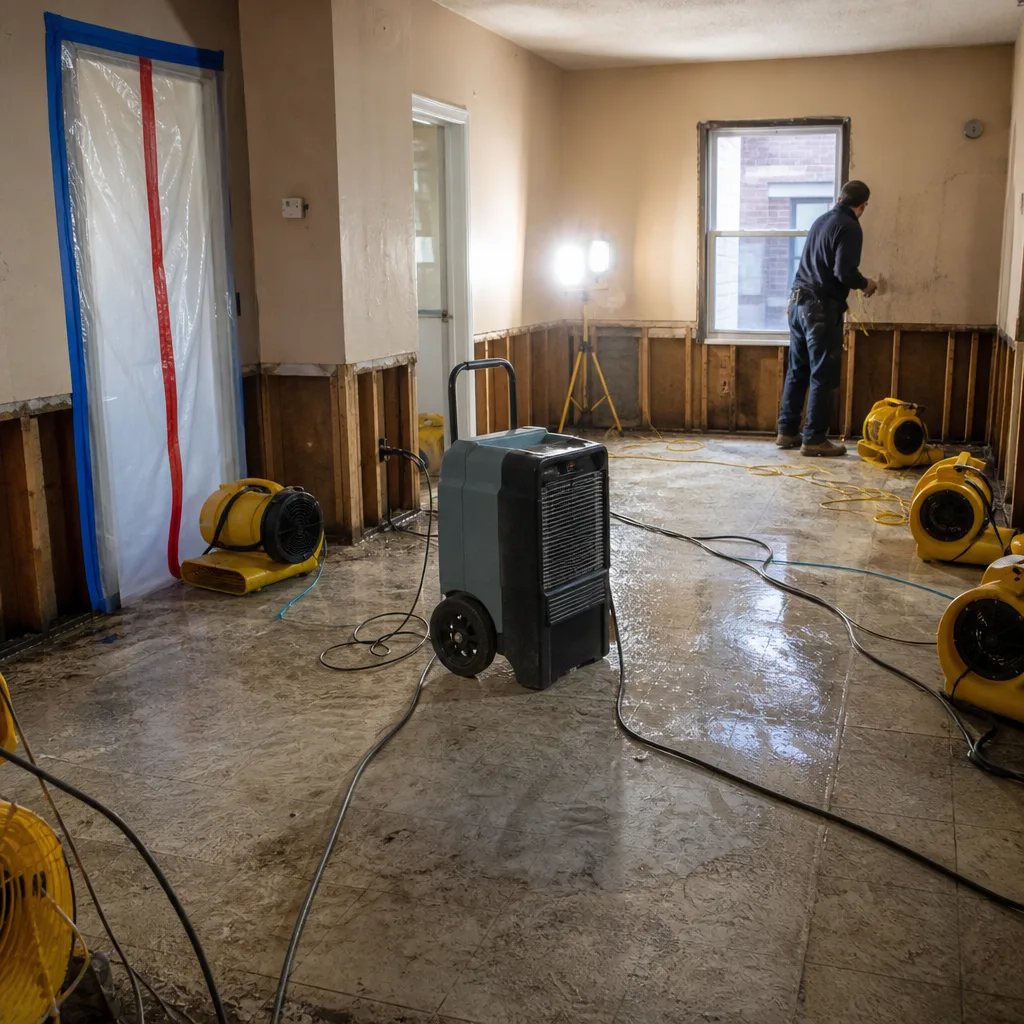
We seal the affected area with 6-mil polyethylene and negative air pressure, running HEPA air scrubbers to capture airborne pathogens and decomposition particulates before any surfaces are touched.
Removal of Contaminated Materials
Porous materials that cannot be fully decontaminated come out: carpet, padding, affected plaster, sections of wood flooring, and any personal items that absorbed fluids. Regulated waste goes in sealed, labeled containers for proper disposal.
Cleaning & Disinfection
Hospital-grade disinfectants with broad-spectrum efficacy are applied to all remaining surfaces, including walls, floors, fixtures, and the subfloor. We use ATP swab testing to verify no organic residue remains.
Odor Neutralization & Clearance
We treat the space with hydroxyl generators or ozone (when safe and appropriate) to eliminate decomposition odor, then run a final clearance test to confirm the air and surfaces meet post-remediation standards.
Repairs & Restoration
The same crew patches walls, replaces flooring, repaints to match, and coordinates any NYC DEP or Landmarks-required sign-offs before the unit is ready for re-occupancy.
Need Emergency Biohazard & Crime Scene Cleanup in Harlem Now?
Crews minutes away, answering live 24 hours a day. The sooner we start, the less it costs.
Working With Your Insurance Company
Most homeowners policies in Harlem cover trauma and unattended death cleanup under the dwelling or personal property sections, but the claim moves faster when the documentation is complete from day one. We photograph every affected area before, during, and after remediation. We itemize materials removed, hours worked, and disposal manifests. We write the scope in the carrier’s preferred format and send it directly to your adjuster. You don’t chase paperwork. We handle the back-and-forth, including the documentation of compliance steps that Harlem’s older buildings require, so the claim reflects the actual regulatory reality of the job, not just the cleanup itself. Our Biohazard & Crime Scene Cleanup team has handled claims through every major carrier serving New York.
What We Provide Your Insurer
- Thorough documentation of the loss
- Photos of all damage, room by room
- Moisture readings and containment logs
- A detailed, line-item scope of work
- Direct coordination with your carrier
Built for Harlem’s Loss Calendar
Harlem’s biohazard calls follow a pattern tied to the neighborhood’s built environment, not random chance. December through March, we see a spike in unattended death discoveries in cold apartments where a heating failure or a burst cast-iron steam riser shut down a unit for days or weeks before anyone checked. The freeze-thaw cycle on Harlem’s original water mains and supply lines creates Category 3 water releases that carry sewage and bodily waste into basements and ground-floor units, requiring full biohazard decontamination rather than simple structural drying. Spring and fall bring hoarding cleanup requests when families finally gain access to a relative’s apartment after a hospitalization or death. Summer heat accelerates decomposition, shortening the window before odor migrates through shared party walls and ventilation stacks. In attached rowhouses on blocks like West 130s between Adam Clayton Powell Jr. Boulevard and Frederick Douglass Boulevard, anyone who delays cleanup after a trauma risks contaminating the building next door. Harlem property owners learn that lesson once and then never call anyone else.
Biohazard & Crime Scene Cleanup Across Harlem’s Neighborhoods
From Sugar Hill’s limestone rowhouses along Edgecombe Avenue to Central Harlem’s tenement blocks off Lenox Avenue, each stretch of the neighborhood presents a different access and containment challenge. Around Strivers’ Row on West 138th and West 139th, the landmarked brownstones have original horsehair plaster, ornate wood trim, and shared party walls that demand containment before removal, because any disturbance of pre-1920 building materials triggers asbestos and lead protocols. In East Harlem, many five-story walkups have narrow stairwells and no elevator, which means our crews carry containment equipment, HEPA units, and disposal supplies up four or five flights by hand. Around Morningside Heights near Columbia University, we work around student-occupied units and tight building schedules, often sealing a single apartment while neighbors remain in place. Near the 125th Street corridor, commercial spaces above storefronts bring a different profile: restrooms, back hallways, and basement storage where fluid cleanup requires coordination with the street-level business below. Our Biohazard & Crime Scene Cleanup in Harlem crews know the block-specific access rules for these streets.
Specialized Biohazard & Crime Scene Cleanup Services We Offer in Harlem
Crime Scene Cleanup
After law enforcement releases the scene, we remove blood, tissue, and other biological material from all affected surfaces. In Harlem’s attached rowhouses, we inspect adjacent units through the shared wall before closing out the job.
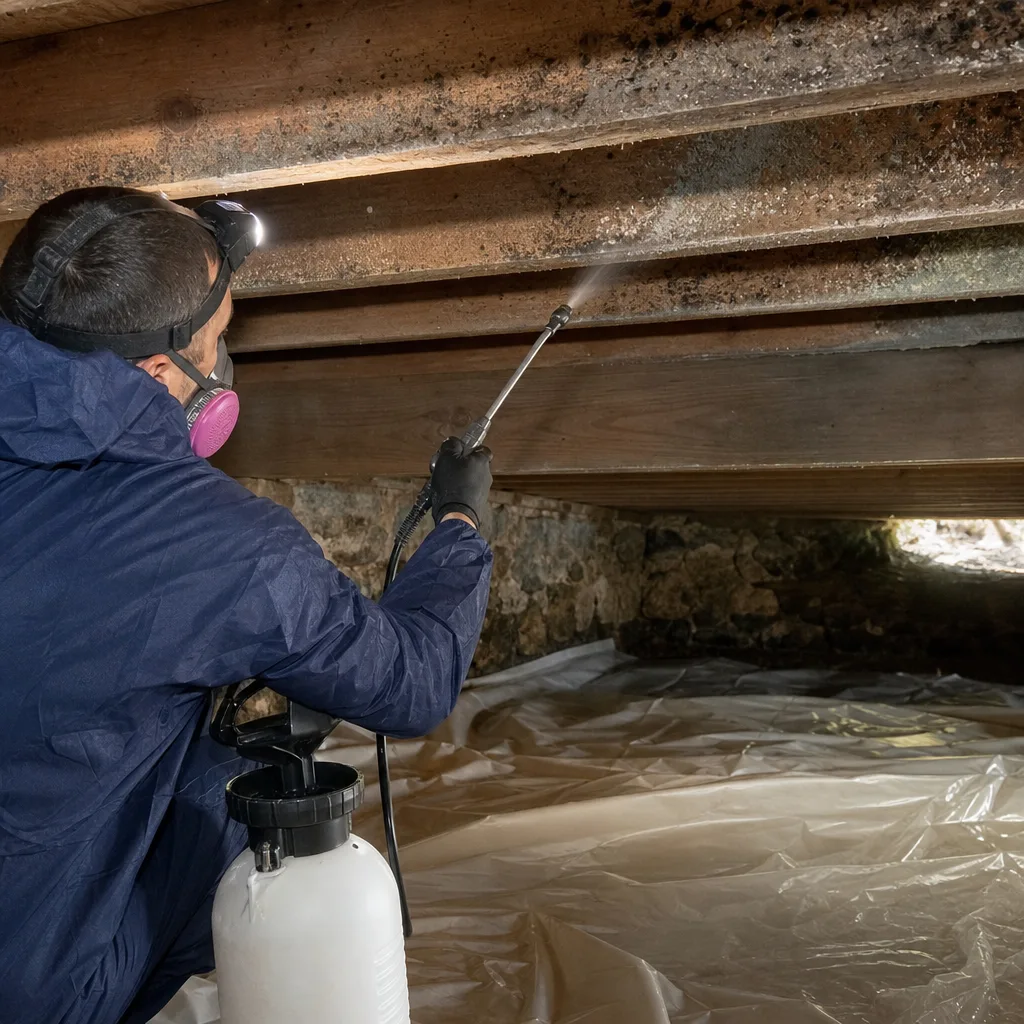
Trauma & Unattended Death Cleanup
Decomposition fluids travel through wood, plaster, and grout. We remove contaminated porous materials, treat the subfloor and framing, and neutralize odor at the source, not with masking agents. In railroad-style tenements on blocks like West 138th, we’ve cleaned units where the odor had already reached the hallway before we arrived.
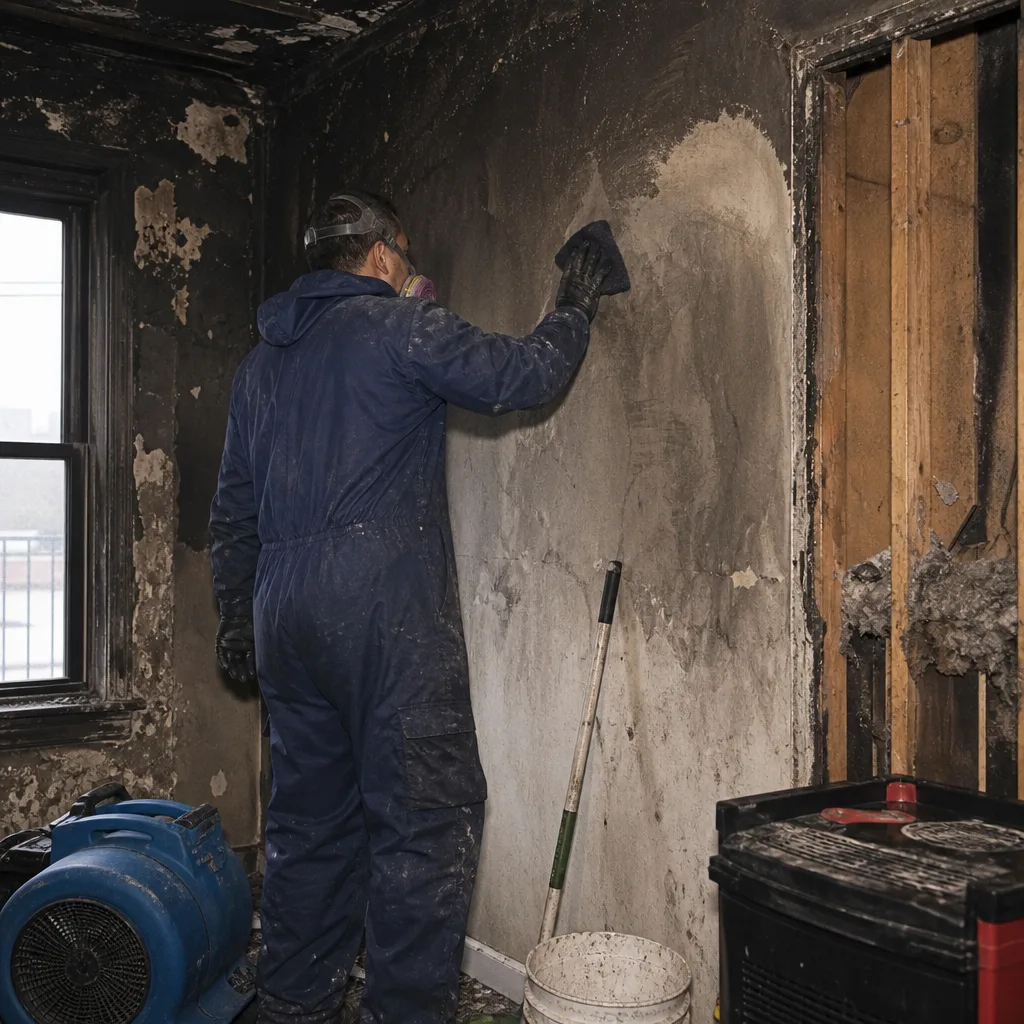
Hoarding Cleanup
Hoarding situations in Harlem’s older buildings require careful sorting of salvageable belongings from contaminated waste, all while respecting the family’s involvement. We work with compassion, but we move fast because the longer a hoarded unit sits, the greater the risk of pest infestation spreading through shared walls and floor cavities. Our Biohazard & Crime Scene Cleanup team handles these jobs with discretion and a written scope before anything leaves the apartment.
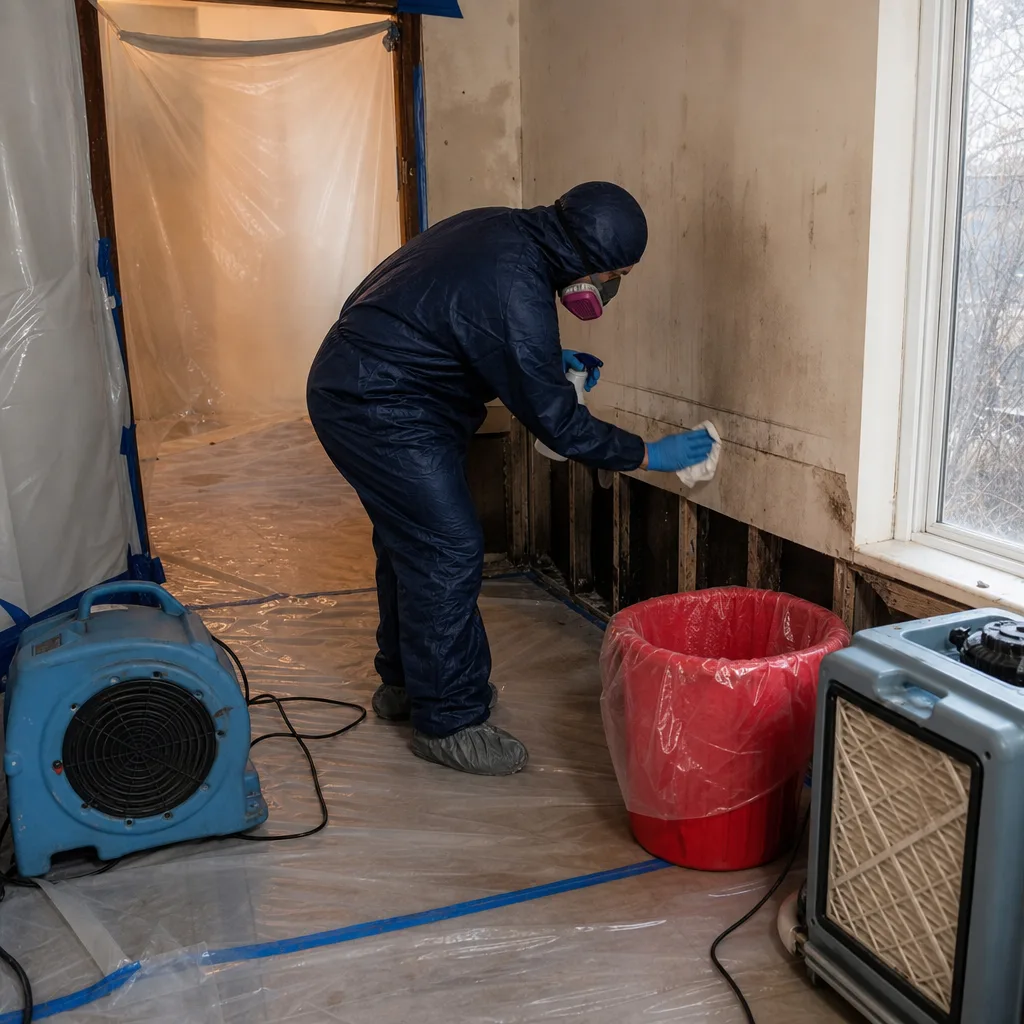
Blood & Bodily Fluid Cleanup
Blood contamination in a Harlem brownstone is rarely limited to the visible stain. Fluids seep into finished wood floors, through subflooring, and into the joist bays below. We remove the affected material, disinfect the structural framing, and verify clearance with ATP testing.
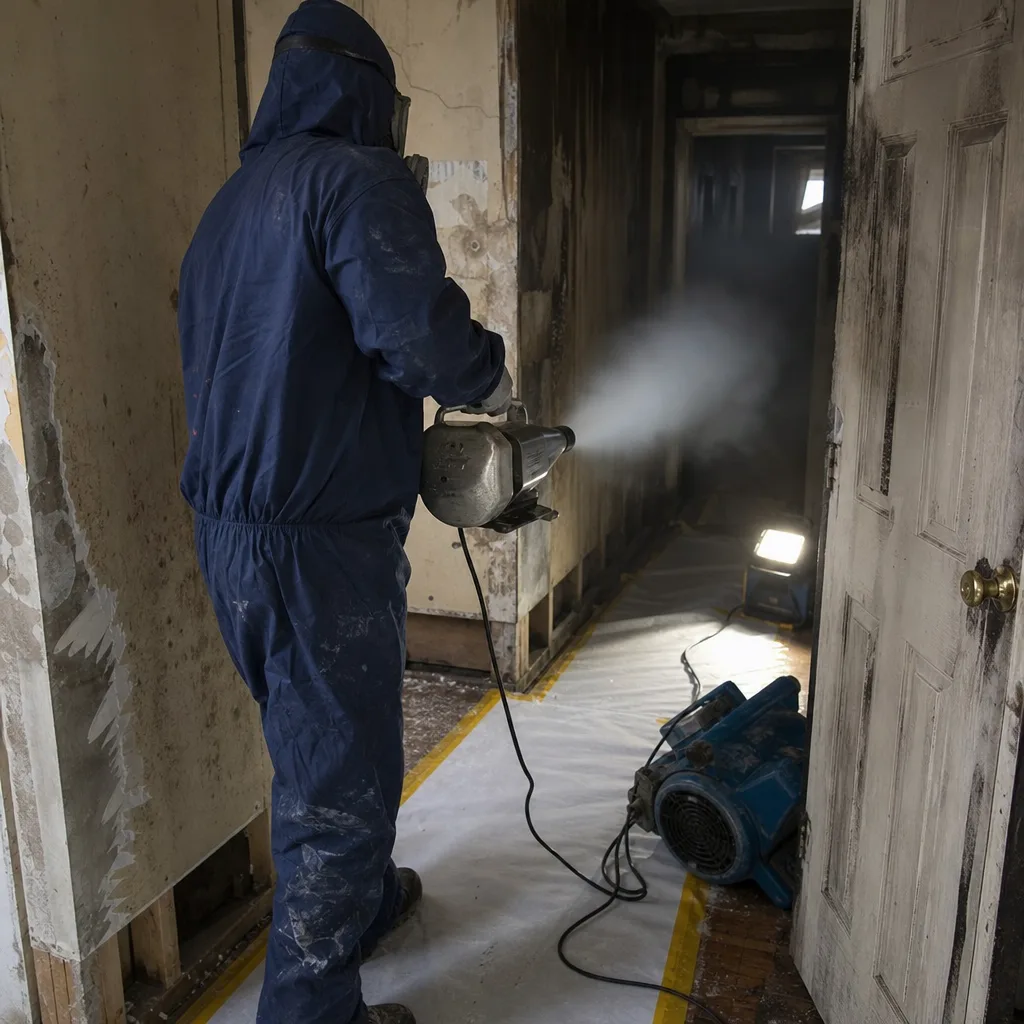
Infectious Disease Disinfection
When a tenant or homeowner has a serious communicable illness, we provide whole-unit disinfection using EPA-registered products with documented efficacy against the specific pathogen. Air scrubbers run throughout the process, and we provide post-treatment clearance documentation that satisfies landlords, co-ops, and insurers.
What happens when you call
- 1
A real person answersNo phone trees - you reach a local pro.
- 2
You get an upfront price rangeHonest numbers before anyone is dispatched.
- 3
A background-checked tech heads outLicensed & insured, dispatched right away.
- 4
You approve before work beginsNothing starts until you say go.
Biohazard & Crime Scene Cleanup Costs in Harlem, NY
A standard blood or bodily fluid cleanup in a single room of a Harlem apartment runs $1,200-$2,800. Trauma scenes with decomposition typically land between $2,500 and $6,500 when flooring removal, subfloor treatment, and odor remediation are required. Hoarding cleanups in Harlem’s walkups start around $1,800 and climb based on volume, access difficulty, and whether hazmat materials like asbestos-containing plaster are disturbed. Prices in Harlem run slightly higher than Queens or the Bronx because the pre-war building stock adds containment and compliance steps that newer construction doesn’t require. Insurance covers most trauma and unattended death cleanup under the dwelling policy, and we bill the carrier directly. For out-of-pocket work, we issue a written scope before any charges accrue. Call (518) 800-3751 for a free visual inspection and a firm number.
We Also Serve Cities Near Harlem
Floodline Restoration Co. provides biohazard and crime scene cleanup across Upper Manhattan and western Queens, including Astoria, Ditmars Steinway, Upper Manhattan, and the Upper East Side. The same certified crews, the same 45-minute response commitment, the same written guarantee.
Harlem Biohazard & Crime Scene Cleanup Questions, Answered
Does biohazard cleanup in Harlem’s landmarked brownstones require special permits before your crew can start removing blood or bodily fluids?
Yes, in most cases. Harlem’s landmarked pre-war buildings trigger NYC DEP asbestos abatement notification and Local Law 1 lead-paint compliance whenever demolition disturbs pre-1920 plaster, trim, or flooring. Our crew handles the required inspections, notifications, and clearance documentation as part of the job, so you don’t have to stop work or face a DEP stop-work order mid-cleanup.
How do you handle biohazard contamination that has seeped into the shared party wall between two Harlem rowhouses?
We inspect both sides of the party wall using moisture meters and visual assessment through any accessible cavities. If contamination has migrated through unreinforced masonry gaps, we open the affected section from the controlled side, remove contaminated material, treat the structural framing, and reseal. The adjacent property owner is notified when their unit requires access. Call (518) 800-3751 for an assessment.
Can your crew clean up a hoarding situation in a Harlem tenement without forcing tenants out of adjacent units?
In most cases, yes. We use negative air pressure and containment to isolate the affected unit, running HEPA air scrubbers throughout the process. Hallways remain passable, and adjacent apartments stay occupied. The exception is when a pest infestation has spread through shared wall cavities, in which case we coordinate with building management to schedule a targeted treatment window.
What happens if the source of a blood or fluid cleanup in Harlem is a burst cast-iron steam pipe that released Category 3 water?
Category 3 water, which may contain sewage or bodily waste, requires full biohazard decontamination before any structural drying begins. We first identify and stop the source, then contain and remove the contaminated water and materials, disinfect the affected framing, and only then bring in drying equipment. Treating it as a simple water job would leave pathogens in the wall cavities. Call (518) 800-3751 for an emergency response.
Do you document your biohazard cleanup for insurance claims in Harlem’s older buildings?
Yes. We photograph every stage, from pre-existing conditions through final clearance. We log hours, materials, disposal manifests, and regulatory compliance steps including DEP notifications and lead clearance. The package goes directly to your adjuster, and our project manager stays on the claim until it closes.
How fast can you actually reach my Harlem apartment?
Our crews stage across Harlem and typically arrive within 45 minutes of your first call. We answer live 24/7 at (518) 800-3751. If a dispatcher tells you a crew is coming, it means the truck is already moving, not that we’ll call you back later.
Will my homeowners insurance cover trauma or unattended death cleanup in Harlem?
Most Harlem homeowners policies cover biohazard cleanup under dwelling coverage or additional living expense provisions, especially when the loss is sudden and accidental. Unattended death cleanup is often covered. We bill the carrier directly and provide documentation that matches the claim adjuster’s required format.
What should I do in the first 30 minutes after discovering a biohazard situation in Harlem?
Do not enter the affected area if blood, bodily fluids, or decomposition is present. Close the door if possible. Do not attempt to clean with household products. Do not turn on HVAC or open windows into shared hallways, which can spread airborne contamination into neighboring units. Call (518) 800-3751 and we’ll talk you through the next steps while a crew is dispatched.
Why Harlem’s Housing Stock Changes the Job
Almost every biohazard cleanup in Harlem intersects with the neighborhood’s oldest buildings in ways a contractor working in a newer Queens or Bronx development doesn’t face. The original horsehair plaster in brownstones from the 1890s absorbs fluids deep into its lath structure, meaning surface cleaning leaves contamination behind. The one-pipe steam risers running through walls and floors create vertical channels that can carry decomposition odor and aerosolized pathogens from a second-floor unit down into the basement or up into the top floor. And the shared party walls between attached rowhouses mean a cleanup in one home is always a potential contamination question for the building next door. Our techs called to a railroad-style tenement on West 138th Street after an unattended death in a top-floor unit found exactly this. The building dates to 1905, so we sealed the apartment with containment and ran HEPA air scrubbers before removing contaminated horsehair plaster and original wood flooring. The job required NYC DEP asbestos abatement sign-off for the disturbed plaster and Local Law 1 lead-paint clearance for the painted trim, adding three days to the timeline but keeping the neighboring rental units safe. That’s the Harlem reality: the cleanup is the same science, but the building demands a different sequence.
Serving Harlem, NY - Our Local Coverage Area
We’re based in the Harlem area and know this community well. Use the map below to see our service coverage - if you’re nearby, we can almost certainly help.
Call Floodline Restoration Co. for Biohazard & Crime Scene Cleanup in Harlem
If you’re reading this because something has already happened, call (518) 800-3751 now. A live person answers. A crew gets moving. If you’re a property owner preparing for the possibility, know this: Curt Bowman founded this company in 2010 around a dispatch board, not a sales desk. We’ve spent over 42 years in restoration because we answer the phone, show up when we say, and put the 90-Day Done Right Promise in writing. Harlem’s brownstones and tenements are not the buildings for a bargain crew or a national franchise that doesn’t know the difference between a steam riser and a supply line. Call (518) 800-3751 for a free visual inspection and a written scope. We’ll be there when we say.
Written by Curt Bowman, Owner at Floodline Restoration Co., serving Harlem since 2010.