
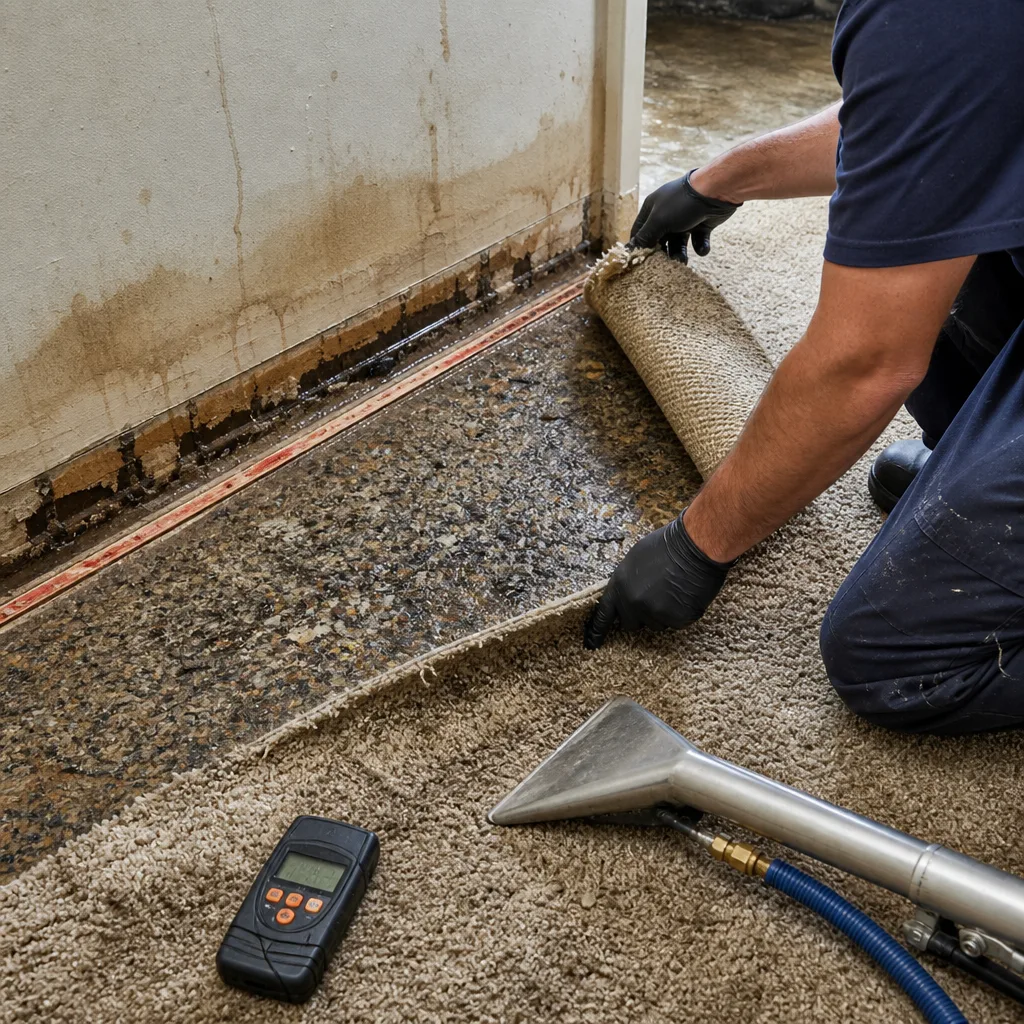
Free visual inspection and a written scope of work before any mitigation begins - photos, moisture readings, and drying logs go in your claim file
The scope we write is the scope we bill. Anything new gets shown to you, in writing, before we touch it.
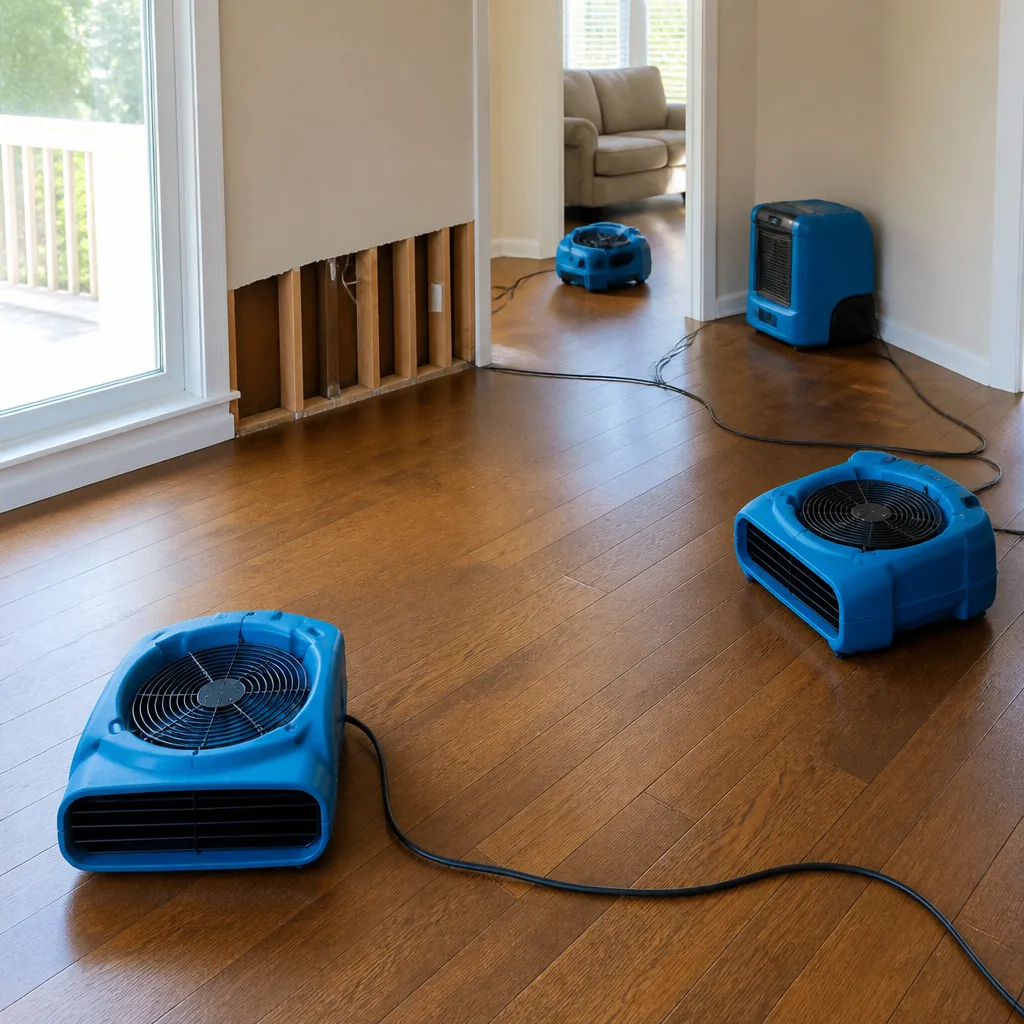
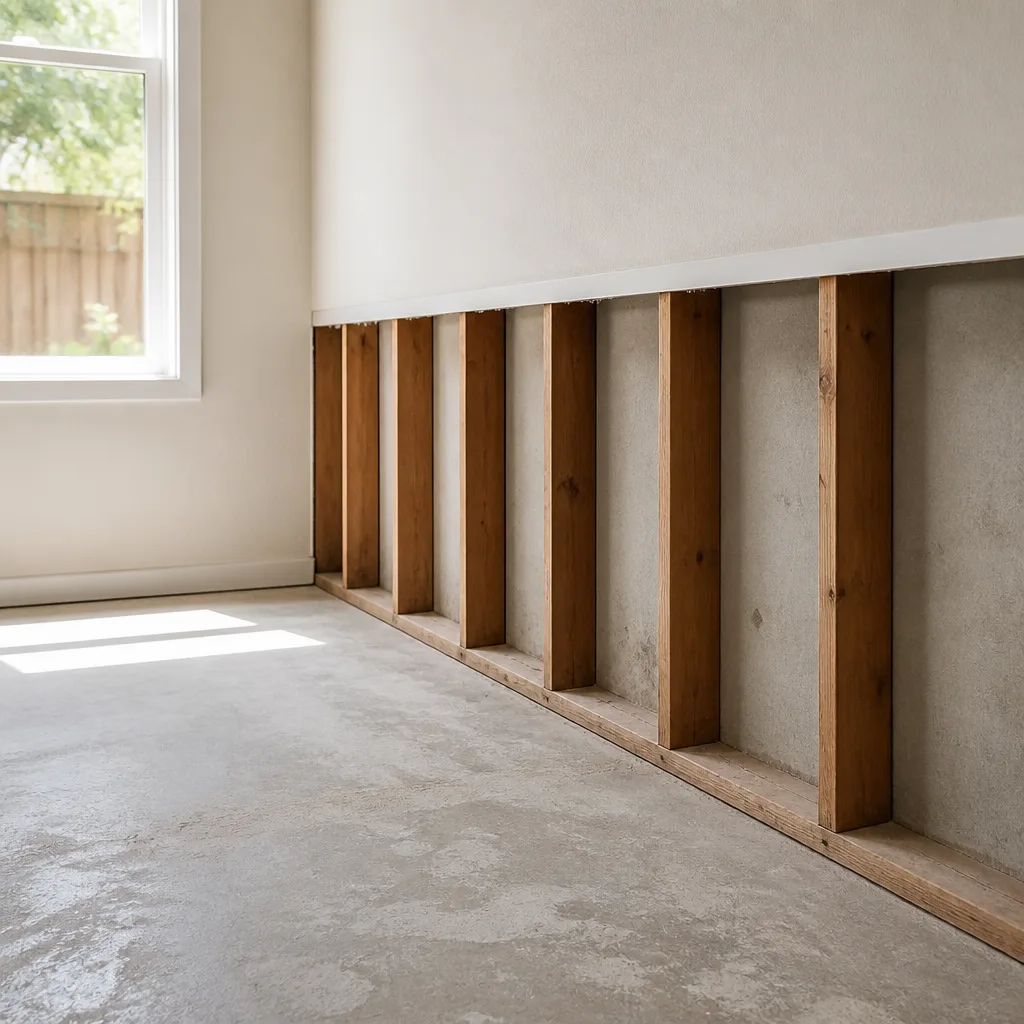
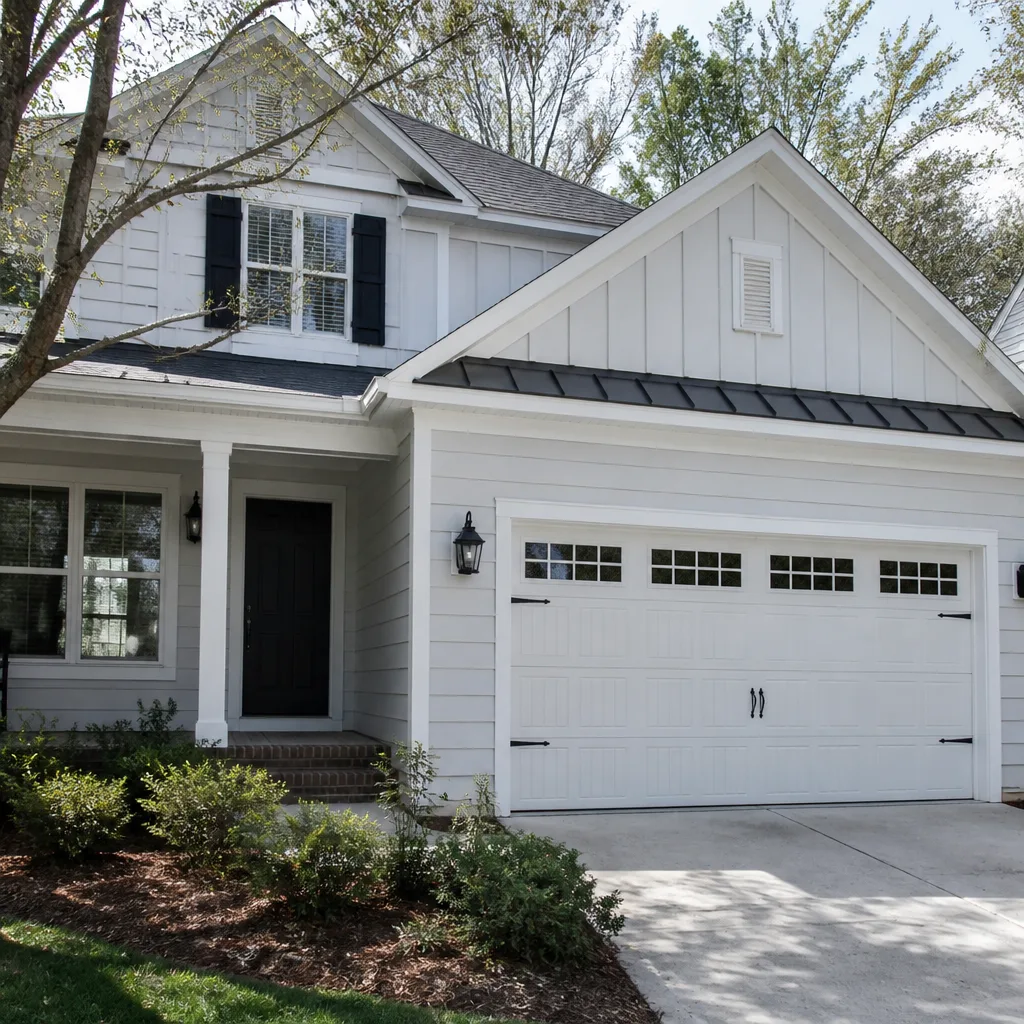
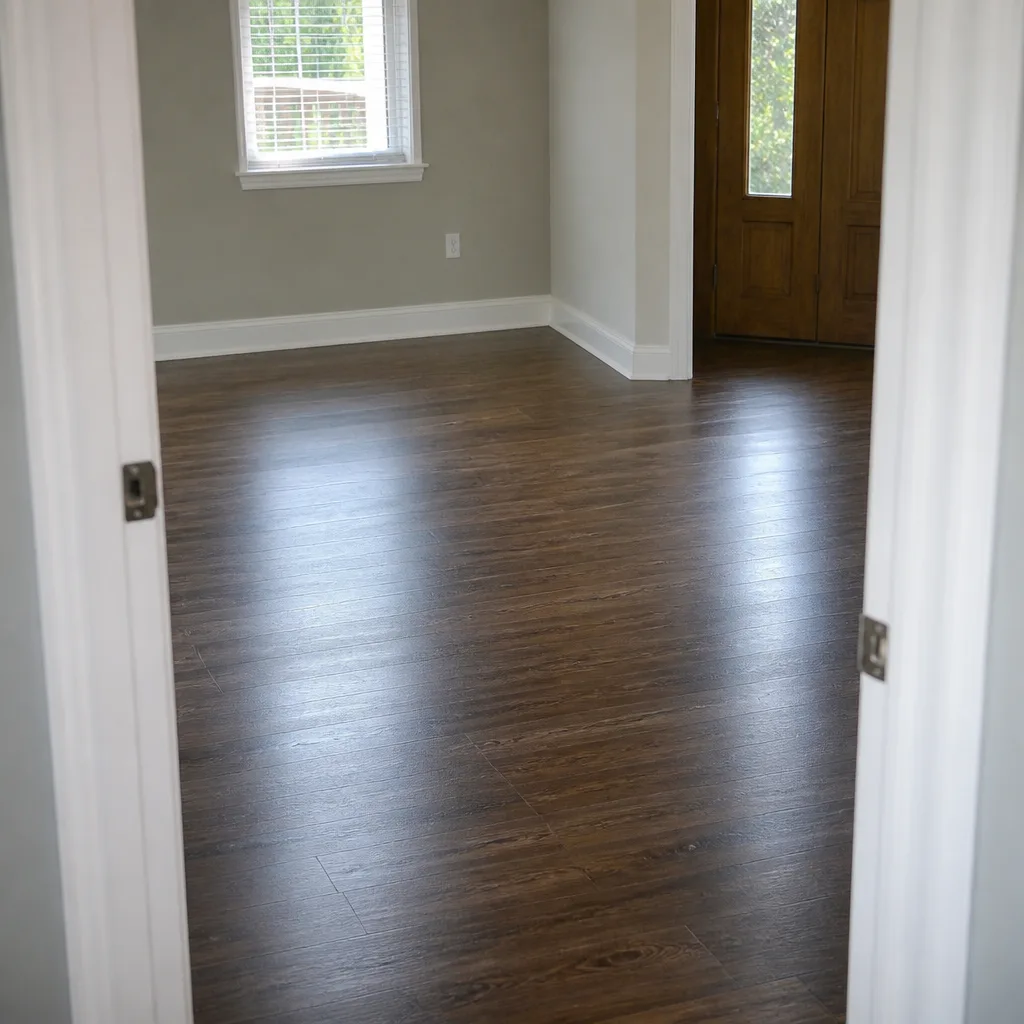
 Before
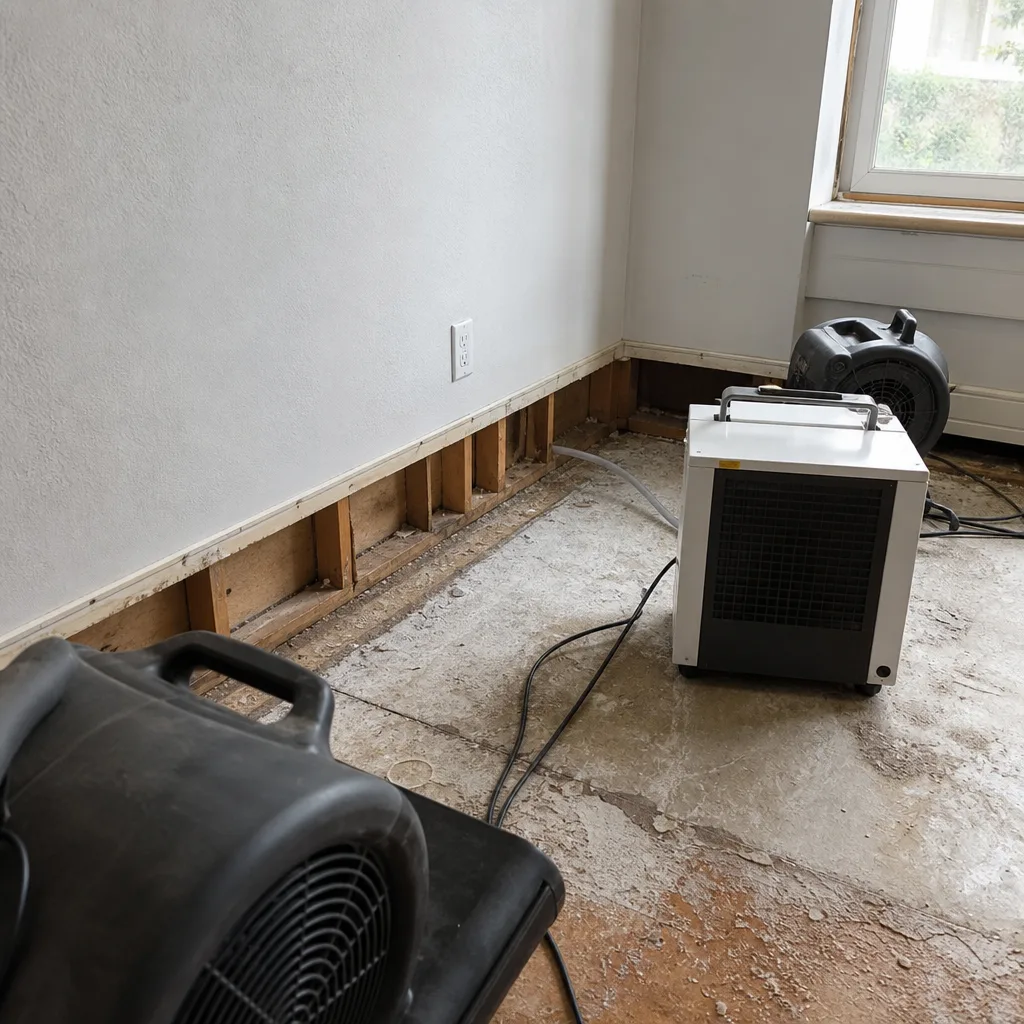 After
After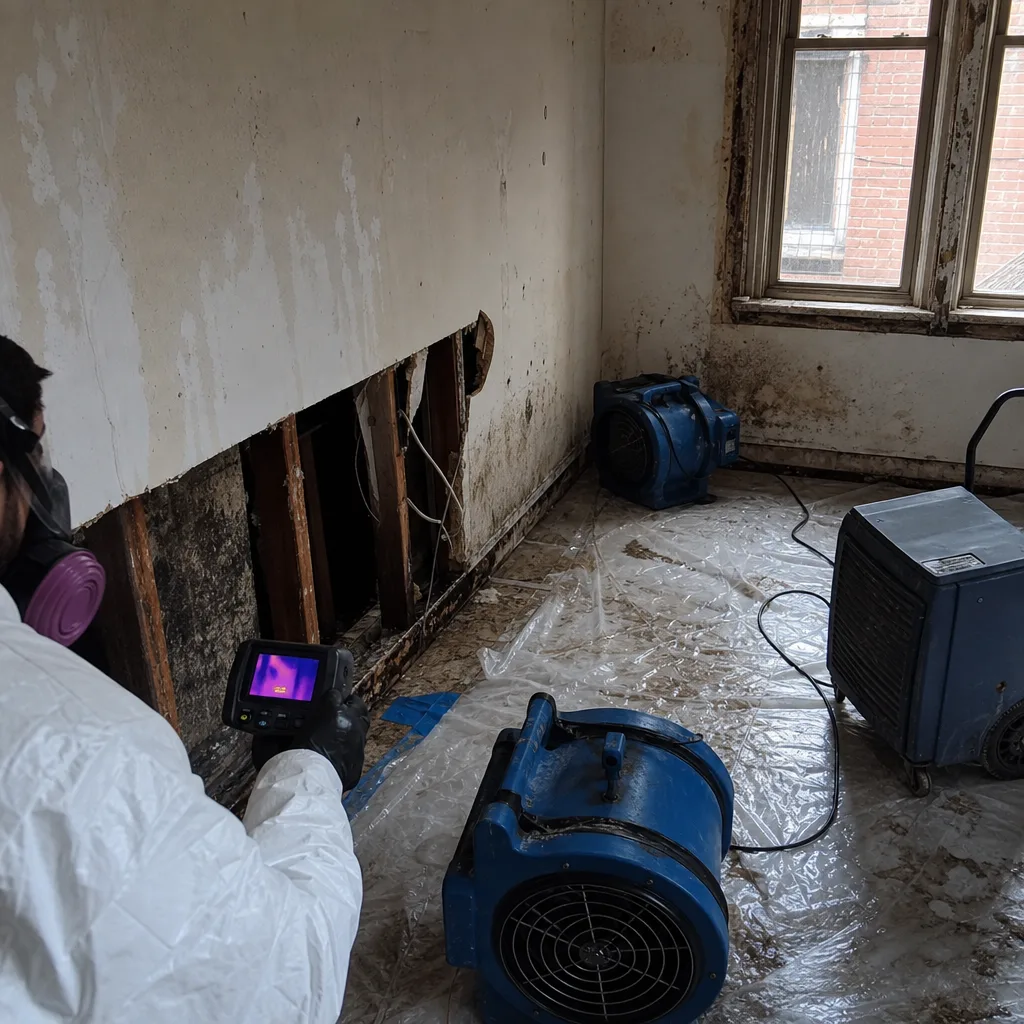 Before
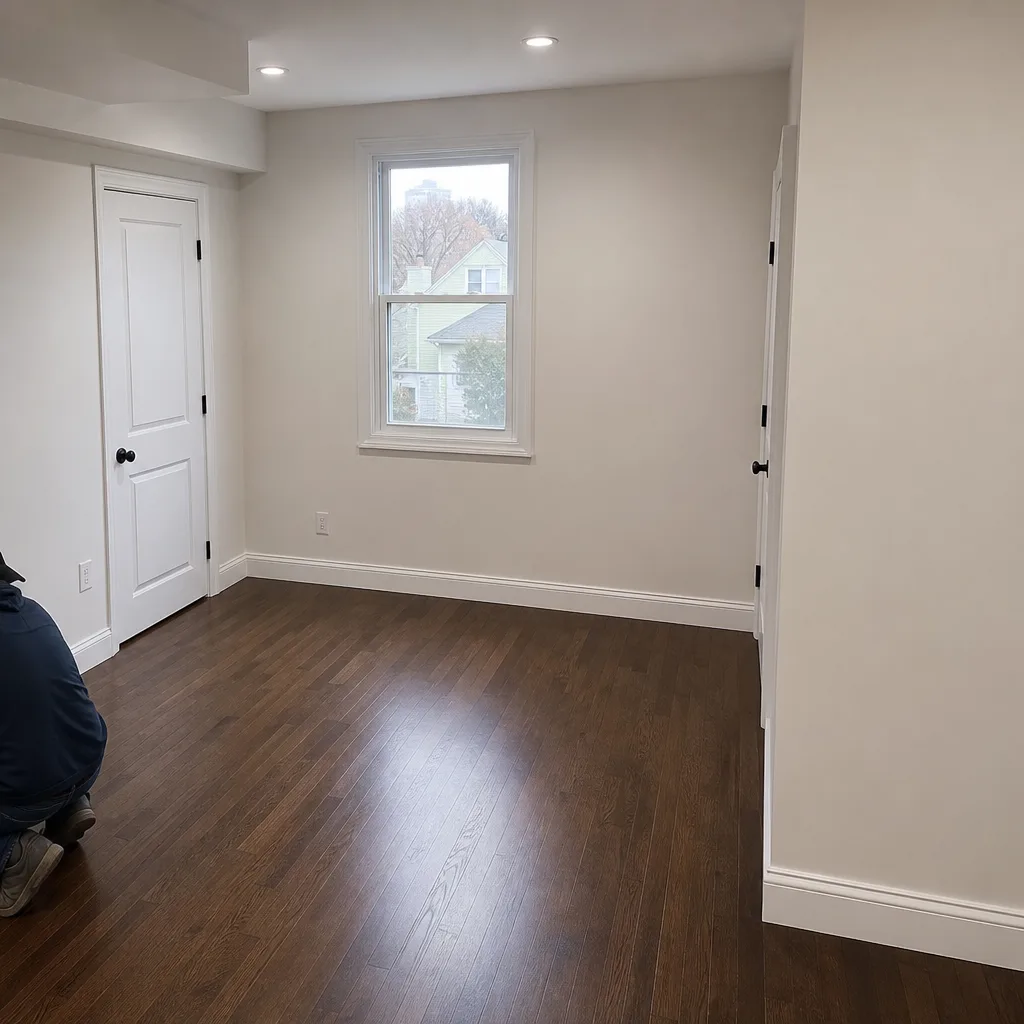 After
After24/7 Emergency Water Damage Restoration in Greenpoint
Water damage restoration in Greenpoint typically runs $1,800-$4,200 for a standard basement extraction and structural drying job, and our crews reach most Greenpoint addresses within 45 minutes of your call. We answer the phone live at (518) 800-3751, every hour of every day. A flooded basement on India Street or a burst supply line in a Kent Street walk-up doesn’t wait for business hours, and neither do we.
The first hour matters more than most homeowners realize. Water moves fast through the original plaster walls and century-old floor joists that make up so much of Greenpoint’s housing stock. What starts as a clean Category 1 break from a supply line can become a Category 3 contamination problem within 48 hours, especially given what sits beneath this neighborhood. We’ll walk you through what we’re seeing on a free visual inspection before any equipment gets staged.
Understanding Water Damage Restoration Severity in Greenpoint Properties
Water damage gets classified into three categories, and Greenpoint’s specific conditions push jobs toward the severe end faster than most property owners expect. Category 1 is clean water from a broken supply line or failed appliance hose. Category 2 carries contaminants: think washing machine overflow or sump pump discharge. Category 3 is grossly contaminated, typically from sewage backup, Newtown Creek overtopping, or the East River storm surge that hit western Greenpoint hard during Sandy.
What sets Greenpoint apart is what’s under the slab and behind the lathe. The neighborhood sits atop an estimated 17-30 million gallon petroleum plume, a legacy of the refineries and storage terminals that once lined Newtown Creek. When groundwater seeps into a basement through the original brick and lime mortar foundation, it can carry oil sheen with it. What looks like clean seepage can be chemically contaminated, and running air movers through that space before testing means spreading petroleum vapor and residue through rooms that started dry. Moisture mapping isn’t just about finding where water went. In Greenpoint, it’s also about identifying what the water is carrying.
The housing stock compounds this. Most buildings here went up between the 1880s and 1920s: 3-5 story brick masonry walk-ups and row houses on narrow lots. Their foundations are unsealed brick and lime mortar, not poured concrete. Their original cast-iron drain lines sit in soil that’s been soaked in petrochemicals for decades. And their plaster walls wick moisture upward fast, often into lead paint layers that complicate any demolition during restoration.
Why Greenpoint Property Owners Choose Floodline Restoration Co.
- 45-minute response commitment. Our Greenpoint dispatch radius puts a crew at most doorways within 45 minutes of your call, not 3 hours later.
- 24/7 live answer, no automated system. A real dispatcher picks up at 2 a.m. on a Sunday. That’s been true since Curt Bowman founded the company in 2010, and it’s true now.
- IICRC-certified crews, including WRT and ASD certification. Our techs train to IICRC, RIA, and IFA standards, so the person running your drying plan has formal classroom and field hours behind them.
- Free visual inspection. We look before we quote. You’ll know what category water you’re dealing with and what the scope should be before you spend a dollar.
- Direct insurance billing. We deal with your carrier, send the adjuster our documentation, and bill what’s covered. You never play messenger between two parties.
- One team from extraction to reconstruction. The crew that pulls the water out is the same crew that runs daily moisture readings, hands you the drying log, and rebuilds what needed tearing out.
Our Water Damage Restoration Process
Inspection & Assessment
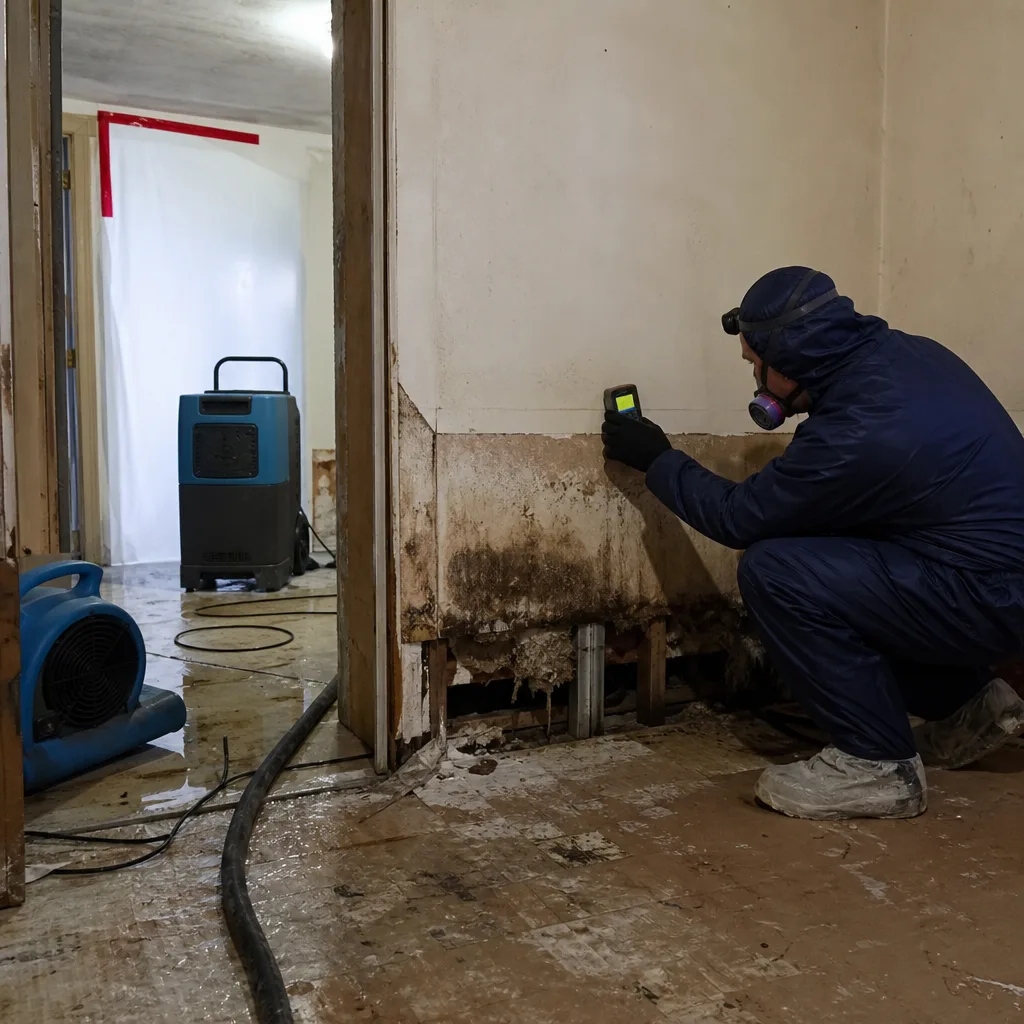
We start with a full walkthrough using thermal imaging and moisture meters. In Greenpoint, this includes checking for petroleum sheen, testing standing water, and documenting the loss room by room before any equipment enters.
Extraction & Stabilization
We pull standing water with professional-grade extraction units. If we detect contamination requiring hazmat protocols, we stop and coordinate with DEP before proceeding. Stabilization means stopping the water source and preventing spread to unaffected areas.
Drying & Dehumidification
Phoenix and Dri-Eaz dehumidifiers plus air movers are placed based on a moisture map, not guesswork. We monitor daily and log every reading. In Greenpoint’s high-groundwater environment, we hold the dry standard longer than inland crews would, because the surrounding soil keeps pushing moisture back.
Cleaning & Sanitization
HEPA air scrubbers handle airborne particles, while we treat surfaces according to water category. For Category 3 water, this means antimicrobial application and often pack-out of porous materials before drying can be considered complete.
Specialty Treatment
Greenpoint-specific conditions, including petroleum contamination and lead paint, get flagged here. We coordinate with licensed environmental contractors where hazmat cleanup is required and get written confirmation before drying resumes.
Repairs & Restoration
Once the structure hits dry standard, we rebuild what came out: drywall, flooring, baseboards, and in older Greenpoint homes, plaster repair that matches the original character. One scope of work, one crew, one written guarantee.
Need Emergency Water Damage Restoration in Greenpoint Now?
Crews minutes away, answering live 24 hours a day. The sooner we start, the less it costs.
Working With Your Insurance Company
Most Greenpoint homeowners we work with have never filed a water damage claim before, and the process feels opaque. Our job is to make it straight. We document from the first hour: photos of the standing water, moisture readings from affected rooms, infrared images showing what’s wet behind walls, and a line-item scope that matches industry-standard pricing for Brooklyn. Your adjuster gets direct access to us. When questions come up about whether a drying log justifies more equipment days or whether a wall needs wet-dry wall removal versus in-place drying, we’re the ones answering, not you.
What We Provide Your Insurer
- Thorough documentation of the loss
- Photos of all damage, room by room
- Moisture readings and drying logs
- A detailed, line-item scope of work
- Direct coordination with your carrier
Built for Greenpoint’s Loss Calendar
Greenpoint’s water damage season never really ends. January and February bring the deep freezes that burst supply lines in unheated vestibules and behind kitchen cabinets on exterior walls. A 1920s row house on Huron Street has pipes running through exterior brick with minimal insulation. When the thermometer drops below 20 for three straight nights, those pipes don’t need to freeze solid to split; they need to lose just enough heat to crystallize standing water in a low-flow elbow.
Spring brings thaw plus the rising water table. The ground around Greenpoint sits saturated from winter, and the East River and Newtown Creek keep the water table high year-round. Basement seepage through unsealed brick foundations becomes a weekly call for us starting in March. Then comes summer thunderstorm season, when cloudbursts overwhelm the combined sewer system and send water backing up through floor drains. Nor’easter season from October through February adds coastal storm surge risk for streets west of McGuinness Boulevard, especially the blocks closest to the waterfront. Each season has a signature loss type, and our crews see enough volume in Greenpoint to know what they’re walking into before the door opens.
Water Damage Restoration Across Greenpoint’s Neighborhoods
Greenpoint isn’t one uniform grid. The blocks west of McGuinness Boulevard toward the East River are lower elevation and took the worst of Sandy’s surge. Those homes, many of them converted factories and older frame houses, deal with both storm surge and groundwater. Our response route down Freeman Street into the waterfront stretch takes us past basements that have flooded three or more times in a decade. The owners know the drill, but the water doesn’t care.
Up near the northern end around Huron Street and Greenpoint Avenue, the rows of 1920s brick walk-ups have a different problem: shared party walls and original plumbing running in tight chases. A leak on the top floor of a four-story walk-up soaks through original plaster and finds its way down three floors before it shows up on a ceiling. By the time the tenant sees the stain, the water has traveled through lathe, joists, and often the lead-painted surfaces of a century-old interior.
Around McCarren Park, the mix is different again: more renovations, more finished basements, more insulation and drywall that traps water and hides it. A Category 1 leak behind a finished basement wall in an India Street gut renovation can go weeks before anyone sees it. By then, mold has taken hold in the stud cavities. Our Water Damage Restoration crews spend more time in this area on mold prevention after hidden leaks than on full extraction. And the blocks near the Greenpoint Avenue bridge toward Newtown Creek have their own character: industrial-edge mixed zoning, older mechanical systems, and the ever-present sheen of the creek’s history in the groundwater.
Specialized Water Damage Restoration Services We Offer in Greenpoint
Emergency Water Extraction
Standing water gets pulled the same visit. We run professional-grade extraction units that move hundreds of gallons per hour, getting water out of your basement before it wicks into plaster, baseboards, and stored belongings. In Greenpoint’s older buildings, speed matters because the original materials absorb water fast and hold it.
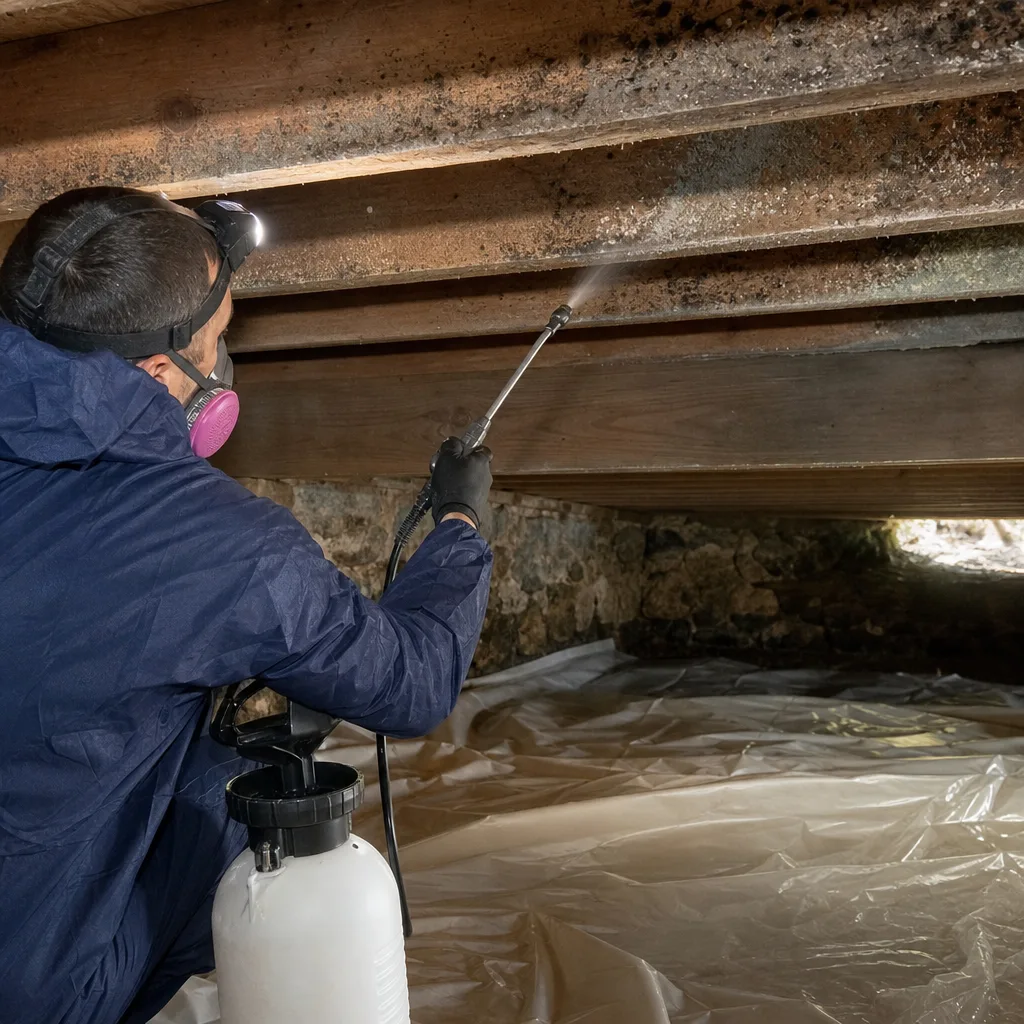
Structural Drying & Dehumidification
After extraction, we deploy Phoenix and Dri-Eaz dehumidifiers plus air movers based on a moisture map of the affected area. On Greenpoint’s century-old brick and plaster, we set lower airflow and monitor daily to avoid the rapid spalling and salt efflorescence that overheated, over-ventilated drying can cause.
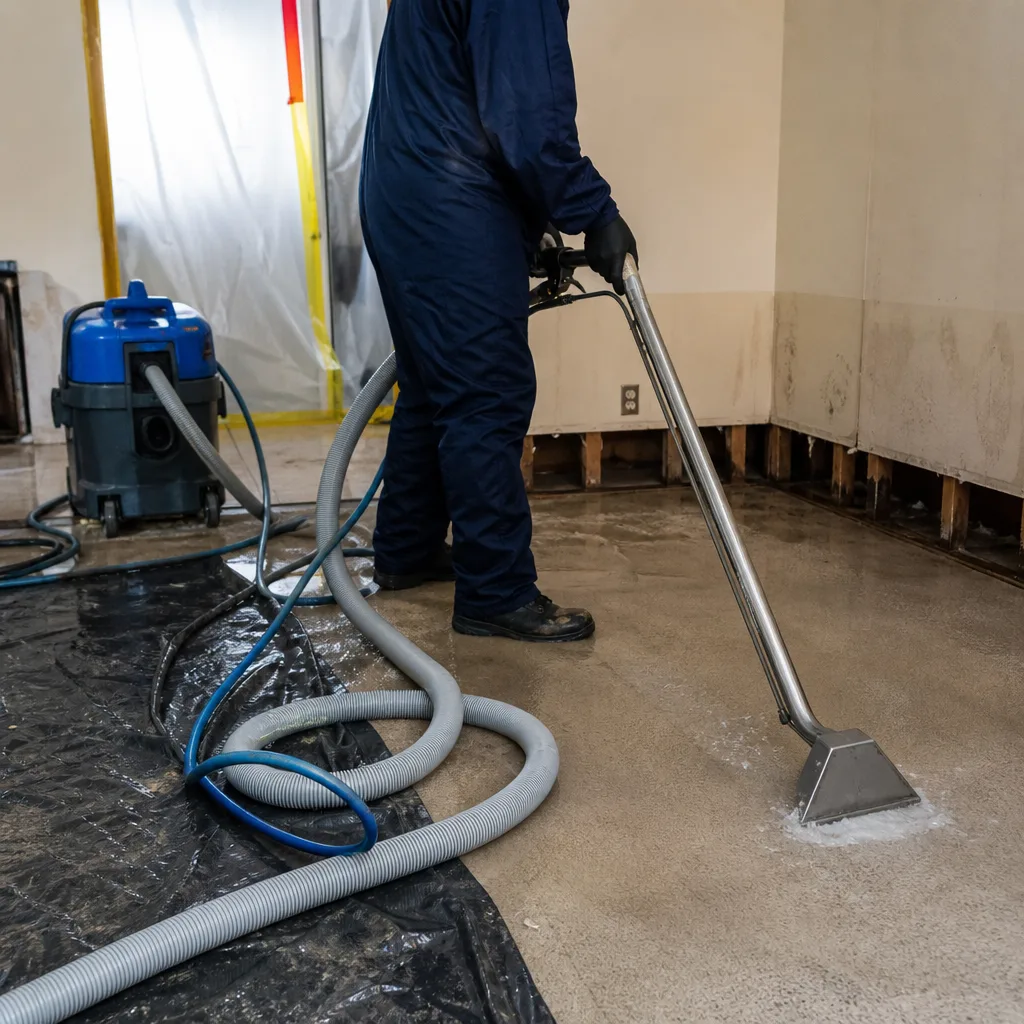
Flood Cleanup
Whether it came over the curb from a nor’easter or up through the floor drain from Newtown Creek, flood water here is never clean. We treat it as potentially contaminated from the first look. Flood cleanup for Greenpoint means removal of affected materials, disinfection of the space, and documentation for whatever regulatory notifications are needed.
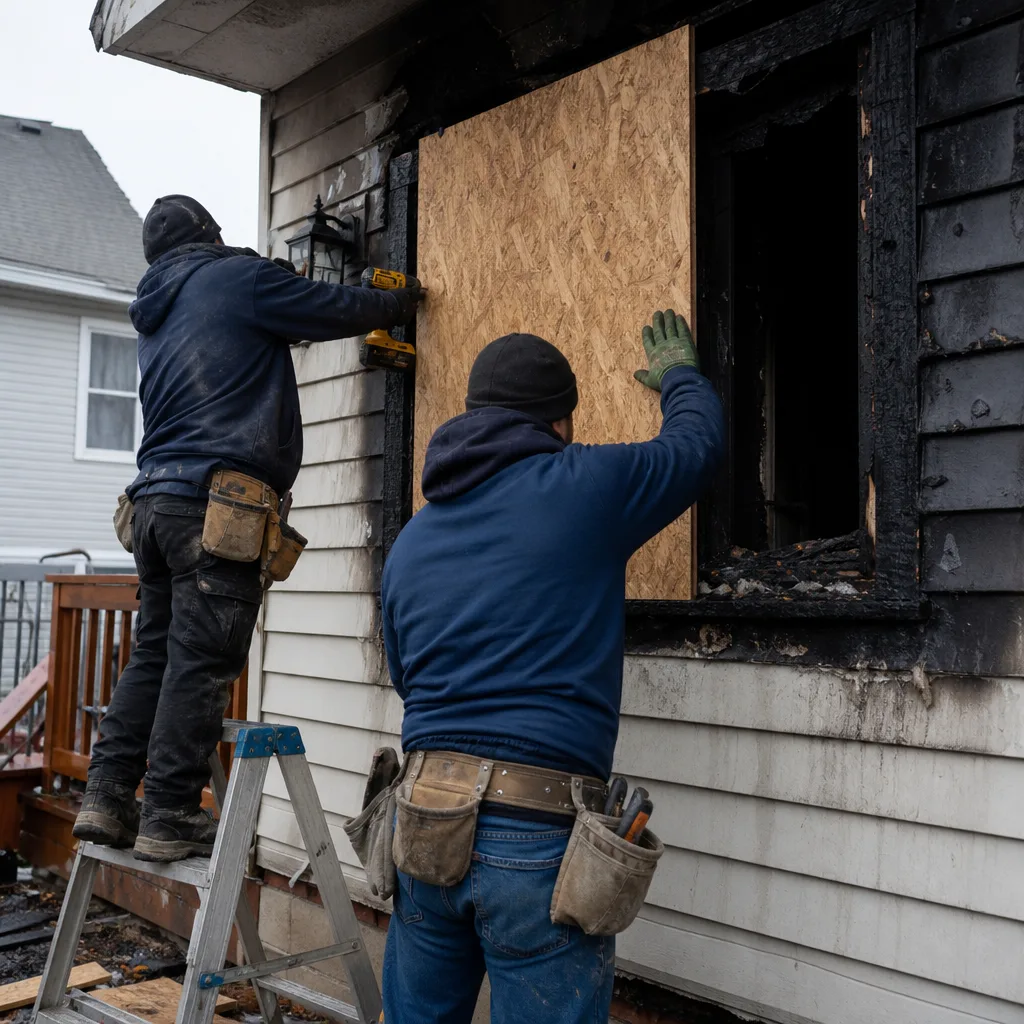
Burst Pipe Restoration
A burst supply line in a Greenpoint walk-up sends water through plaster walls, original subfloors, and often into the apartment below. We extract, dry, and rebuild what the water destroyed, coordinating with the building’s management or other owners when the loss crosses a property line.
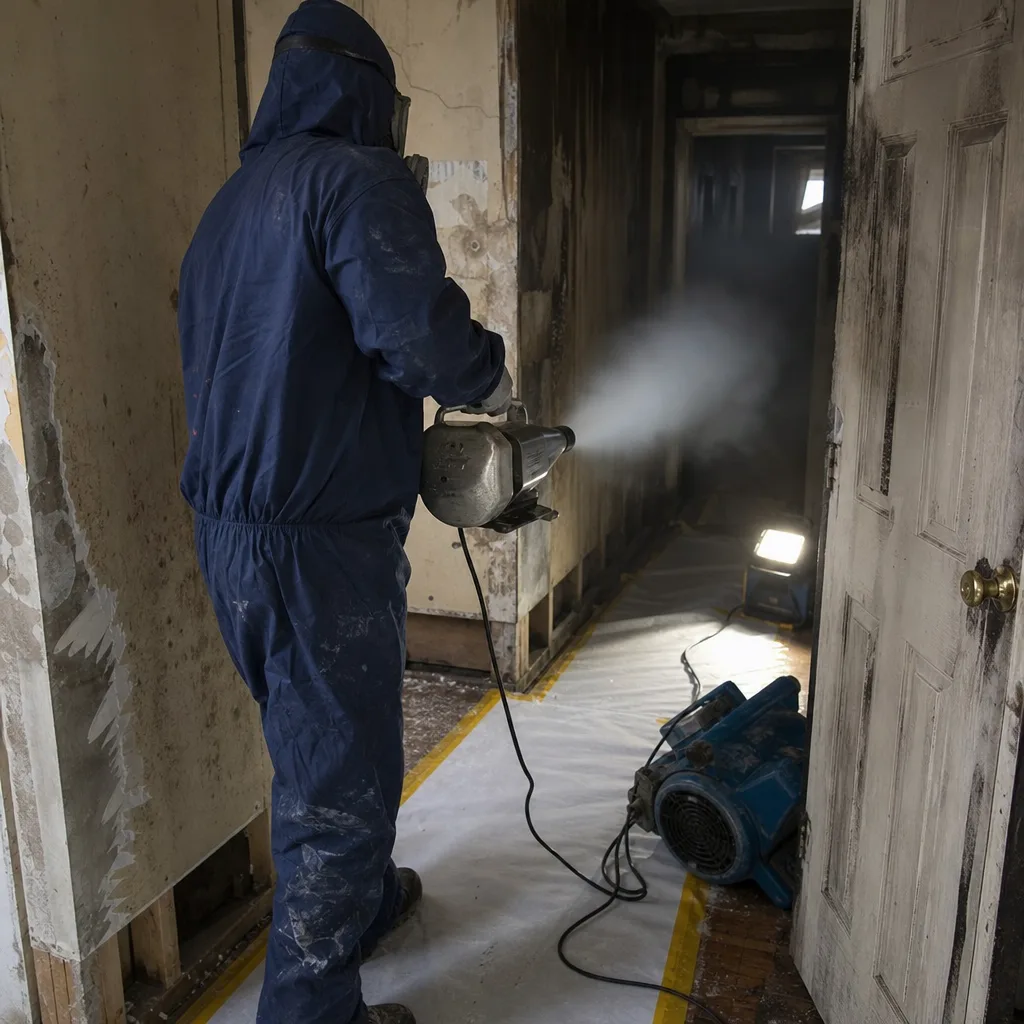
Basement Water Removal
This is the most common call for Water Damage Restoration in Greenpoint. Basement water removal usually starts with extraction and dehumidification, but in this neighborhood we also test what the water brought in. The groundwater here can carry petroleum, and we don’t run drying equipment through that without knowing.
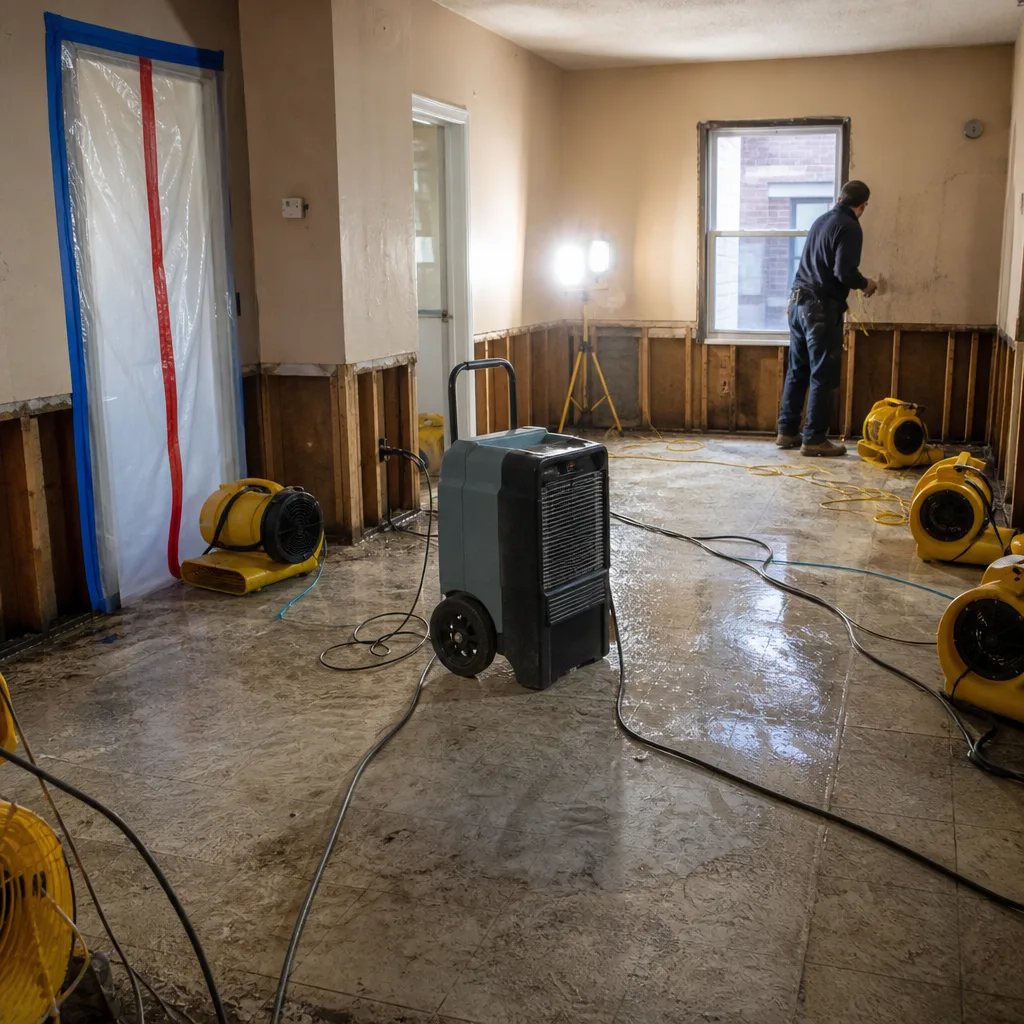
What happens when you call
- 1
A real person answersNo phone trees - you reach a local pro.
- 2
You get an upfront price rangeHonest numbers before anyone is dispatched.
- 3
A background-checked tech heads outLicensed & insured, dispatched right away.
- 4
You approve before work beginsNothing starts until you say go.
Water Damage Restoration Costs in Greenpoint, NY
A standard basement extraction with 3-4 days of structural drying in Greenpoint runs $1,800-$3,200 when it’s a clean Category 1 loss and nothing’s been hiding behind walls. Add Category 3 contamination, which means Sewage Cleanup in Greenpoint or groundwater with petroleum sheen, and you’re looking at $4,200-$7,500 depending on how much pack-out and hazmat coordination is needed. Burst pipe jobs that soaked multiple floors of a walk-up commonly land between $3,500 and $8,000 because of the cross-floor drying and plaster repair. Those aren’t Brooklyn-wide averages; those are Greenpoint’s numbers, shaped by the housing density, the age of the buildings, and the contamination questions unique to this neighborhood.
What moves the price: water category, how long the water sat before extraction started, how many rooms are affected, whether original plaster needs specialty drying versus replacement, and whether lead paint abatement enters the scope. Insurance typically covers most water damage claims, and we bill the carrier directly. For anything out of pocket, we give you a written scope before work starts, so there’s no surprise line item. Call (518) 800-3751 for a free visual inspection and a firm number.
We Also Serve Cities Near Greenpoint
Our dispatch radius covers more than just the neighborhood boundary. We routinely run calls in Greenpoint proper plus Astoria, Ditmars Steinway, Upper Manhattan, and the Upper East Side. If you’re on the edge of Greenpoint and your neighbor across the street has a different ZIP code, call anyway. We’ll tell you straight whether we can get a crew to your door.
Greenpoint Water Damage Restoration Questions, Answered
Does the Greenpoint oil plume change how a water damage job is scoped?
Yes. Any basement water intrusion in Greenpoint gets tested for petroleum sheen and odor before we classify the water. If contamination is present, the job becomes a Category 3 hazmat protocol: extraction pauses, a licensed environmental contractor coordinates with DEP, and containment goes up before drying equipment runs. This added step typically adds $1,000-$3,000 to a job and can extend the timeline by days, but skipping it means spreading petroleum residue and vapor through rooms that started clean. Call (518) 800-3751 for an honest assessment.
What parts of a Greenpoint basement flood should be pulled out immediately versus dried?
Anything porous that took Category 3 water gets pulled immediately: carpet, pad, upholstered furniture, cardboard boxes, and any drywall that’s wicked water more than 18 inches up. Hard surfaces like concrete slab floors, brick foundation walls, and metal studs can often stay and be dried. In Greenpoint’s century-old buildings, original wood joists that aren’t rotted can usually be saved with proper airflow and monitoring. We make that call based on moisture readings, not a blanket rule, and we show you the numbers before demolishing anything.
How fast do we have to act after a nor’easter floods a basement in Greenpoint?
Within 24 hours is ideal; within 48 hours is the outer limit before Category 2 water starts behaving like Category 3. Mold begins colonizing in 48-72 hours, and in Greenpoint’s high-groundwater environment, the walls stay wet longer because the surrounding soil keeps feeding moisture. Our 45-minute response commitment means we’re typically on site before the water’s had time to do its worst damage. Call (518) 800-3751 and a live dispatcher picks up now.
Do we need special permission from the DEP to pump out a flooded basement in Greenpoint?
If the water shows any petroleum sheen or odor, yes. That triggers DEP notification and hazmat coordination before the water gets discharged anywhere. Standard clean water extraction doesn’t need special permission, but pumping contaminated groundwater into the street is a violation with real penalties. We’ve handled enough Greenpoint water losses to know what needs reporting and what doesn’t, and we’ll make that call correctly the first time. The cost of compliance is a fraction of the cost of remediation after an improper discharge.
Can you dry out original 1920s plaster walls in a Greenpoint row house without tearing them out?
Often yes, when the water is caught early. Original plaster and brick walls can be dried in place with controlled airflow and low-heat dehumidification. The catch is that plaster acts like a sponge: it soaks water up fast, holds it, and if the moisture content in the wall cavity stays high for more than 72 hours, the plaster loses its key bond and starts to detach from the lathe. We use daily moisture readings to tell you whether wall drying is working or whether the plaster needs to come out. In Greenpoint’s older stock, we lean toward saving original plaster when the readings support it, because replacement means losing character that can’t be replicated cheaply.
How fast can a crew actually reach my Greenpoint address?
Most Greenpoint addresses are within 45 minutes of our dispatch. If you’re on the waterfront west of McGuinness, figure a few extra minutes for the narrow streets and one-ways. We answer live at (518) 800-3751 and the dispatcher gives you a straight time window, not a vague “as soon as possible.”
Will my insurance cover water damage restoration in Greenpoint?
Most standard homeowner policies cover sudden and accidental water damage from burst pipes, supply line failures, and storm-related water intrusion. Flood damage from rising groundwater or coastal surge typically requires a separate flood policy. Your deductible is your out-of-pocket portion, and we bill the carrier directly for the rest. We’ve handled hundreds of claims in this neighborhood and know how to document a Greenpoint-specific loss so the adjuster has what they need.
What do I do in the first 30 minutes after discovering water in my Greenpoint basement?
Shut off the water main or the isolated valve if the source is a burst pipe or supply line. Cut power to the basement if water is near outlets, the panel, or any electrical. Move small valuables and documents to higher ground if you can do so safely. Then call (518) 800-3751. Don’t run a shop vac on standing water that might be contaminated; don’t turn on fans that will circulate whatever’s in the water; and don’t touch anything if you see oil sheen. We’ll tell you what to do next once we’re on the phone.
Serving Greenpoint, NY - Our Local Coverage Area
We’re based in the Greenpoint area and know this community well. Use the map below to see our service coverage - if you’re nearby, we can almost certainly help.
The Greenpoint Difference: Why This Page Isn’t a Template
Here’s the thing most restoration content gets wrong about Greenpoint: a “dried” basement here isn’t necessarily a safe one. The oil plume changes the math on every step. We responded to a water loss in a 1920s brick row house on Huron Street near the northern end of the neighborhood. The basement had taken six inches of Category 3 water. Our techs found the air already carrying a faint petrochemical smell, and moisture mapping showed contamination beyond the foundation. We stopped extraction, called in a licensed environmental contractor for DEP notification, and coordinated full containment plus pack-out before we could even start Fire & Smoke Damage Restoration in Greenpoint-level structural drying. A crew that didn’t know Greenpoint might have pushed ahead, dried the space in place, and handed the homeowner a basement that still carried petroleum residue in its walls. That’s not a completed job. That’s a liability with a drying log.
The same holds for the masonry. Century-old brick and lime mortar aren’t poured concrete. Over-driven air movers and aggressive heat cause rapid spalling, pushing salt efflorescence into finished surfaces and damaging walls that survived a hundred years before the flood. We dial airflow back on these jobs, monitor daily, and log every reading. The homeowner and their carrier see the full moisture map from day one through the final dry standard reading. That’s what the 90-Day Done Right Promise means: if it’s not done right, we make it right. In writing. No arguing. That’s the Keystone Standard, and it’s on every job we touch in this neighborhood.
Floodline Restoration Co. has served New York City since Curt Bowman founded the company in 2010. Our techs train to IICRC, RIA, and IFA standards, and they’re background-checked and uniformed on every job. We use Dri-Eaz and Phoenix equipment because it’s what we’d want in our own homes. And when you call at 2 a.m. with water coming through your Greenpoint basement wall, a live person answers. Not a phone tree. Not a voicemail. A dispatcher who can get a crew moving.
Current standing offers for Greenpoint homeowners: $50 Off Any Repair Over $250, the $89 Seasonal Tune-Up, and a Senior & Veteran 5% Discount, always. The line the water left is where we start. Done right, and backed in writing.
Call (518) 800-3751 for a free estimate. A live dispatcher answers now.
Written by Curt Bowman, Owner at Floodline Restoration Co., serving Greenpoint and the wider New York City area since 2010.