
Free visual inspection and a written scope of work before any mitigation begins - photos, moisture readings, and drying logs go in your claim file
The scope we write is the scope we bill. Anything new gets shown to you, in writing, before we touch it.
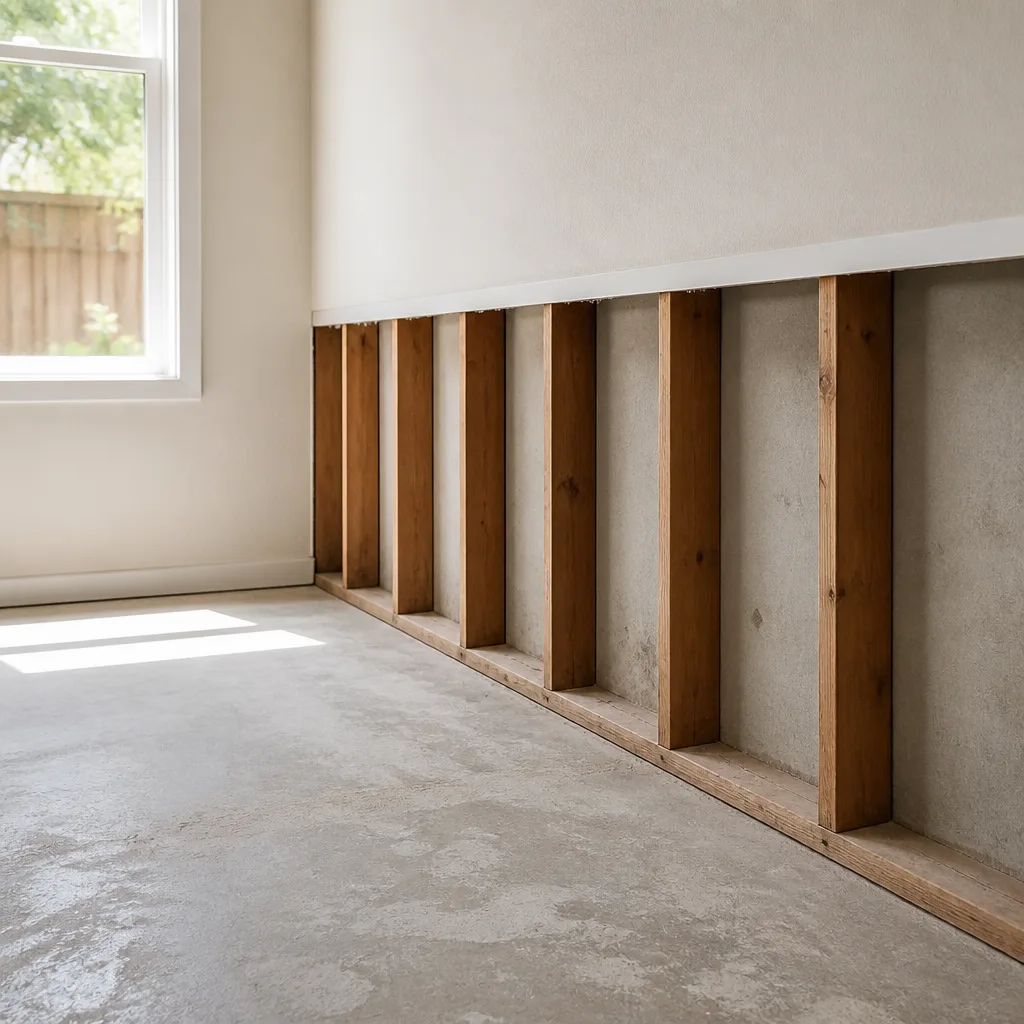
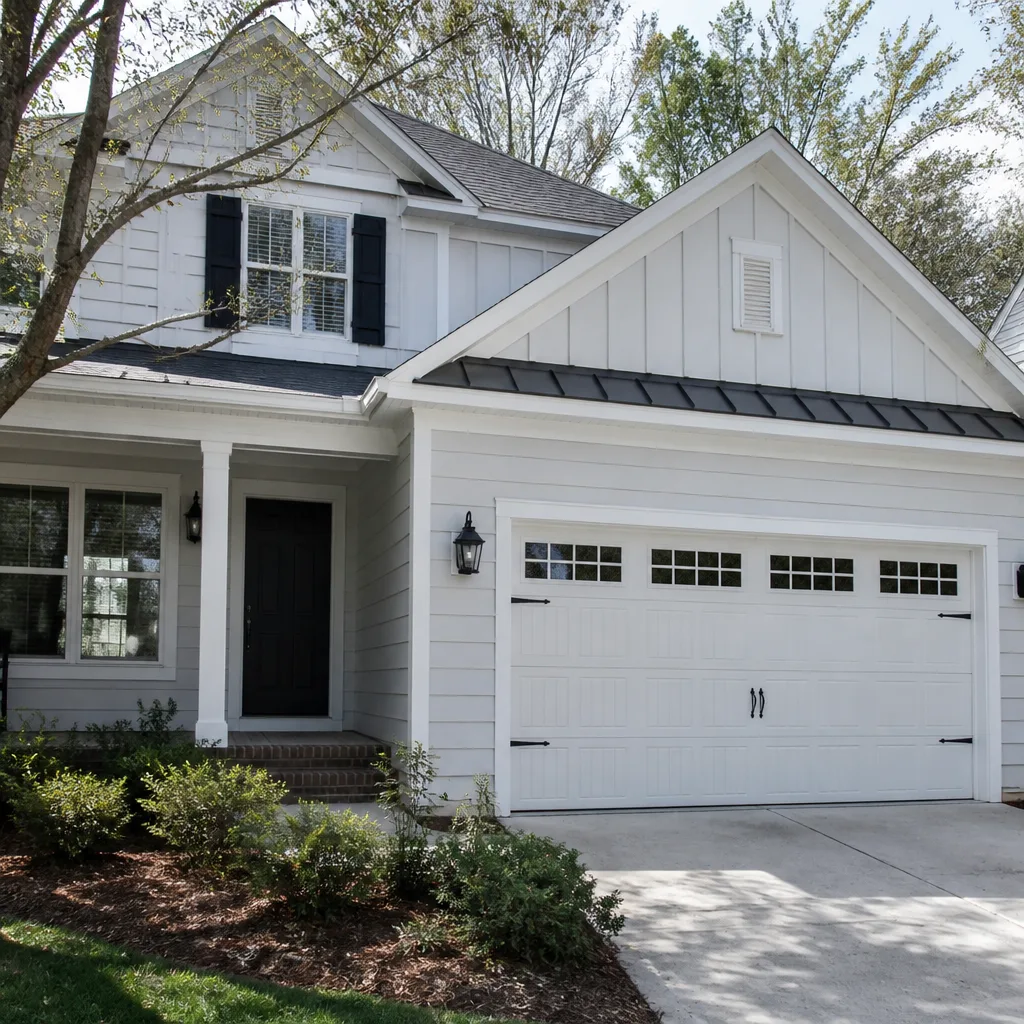
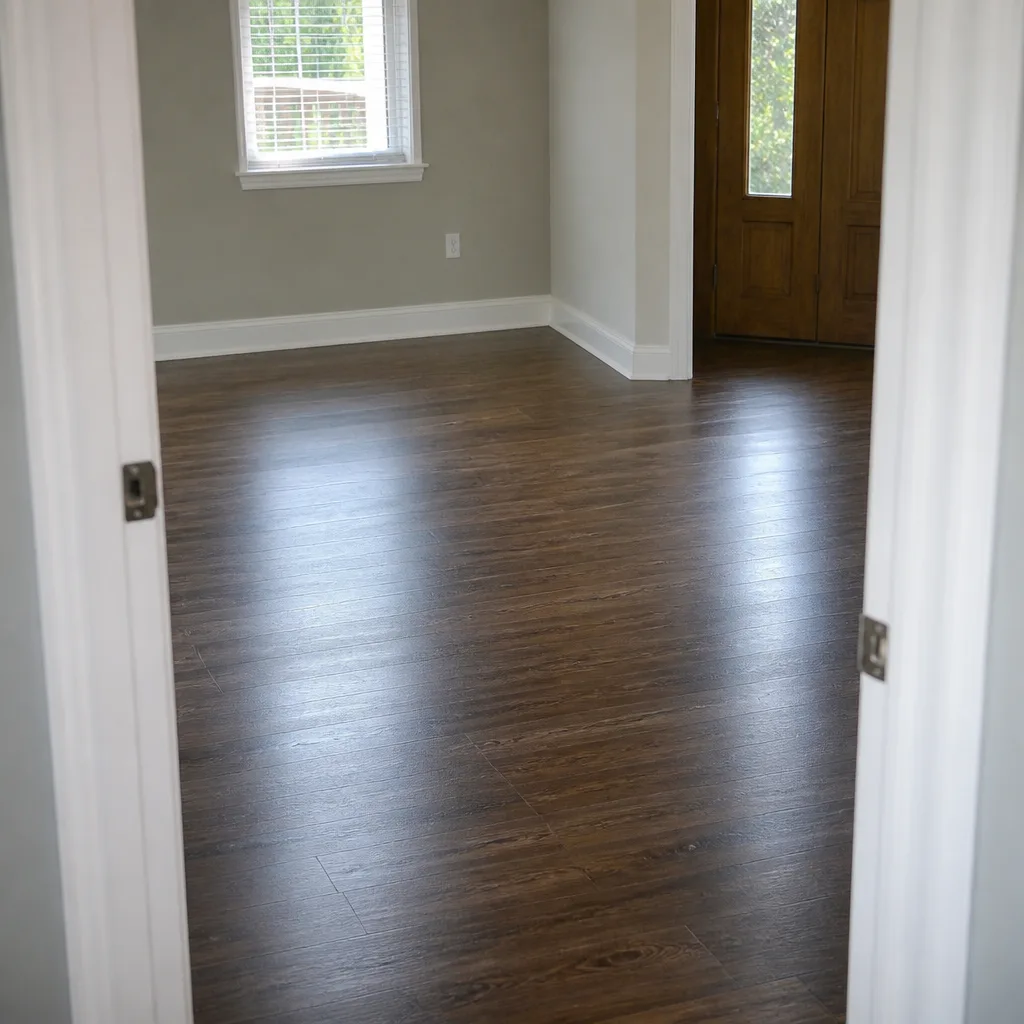
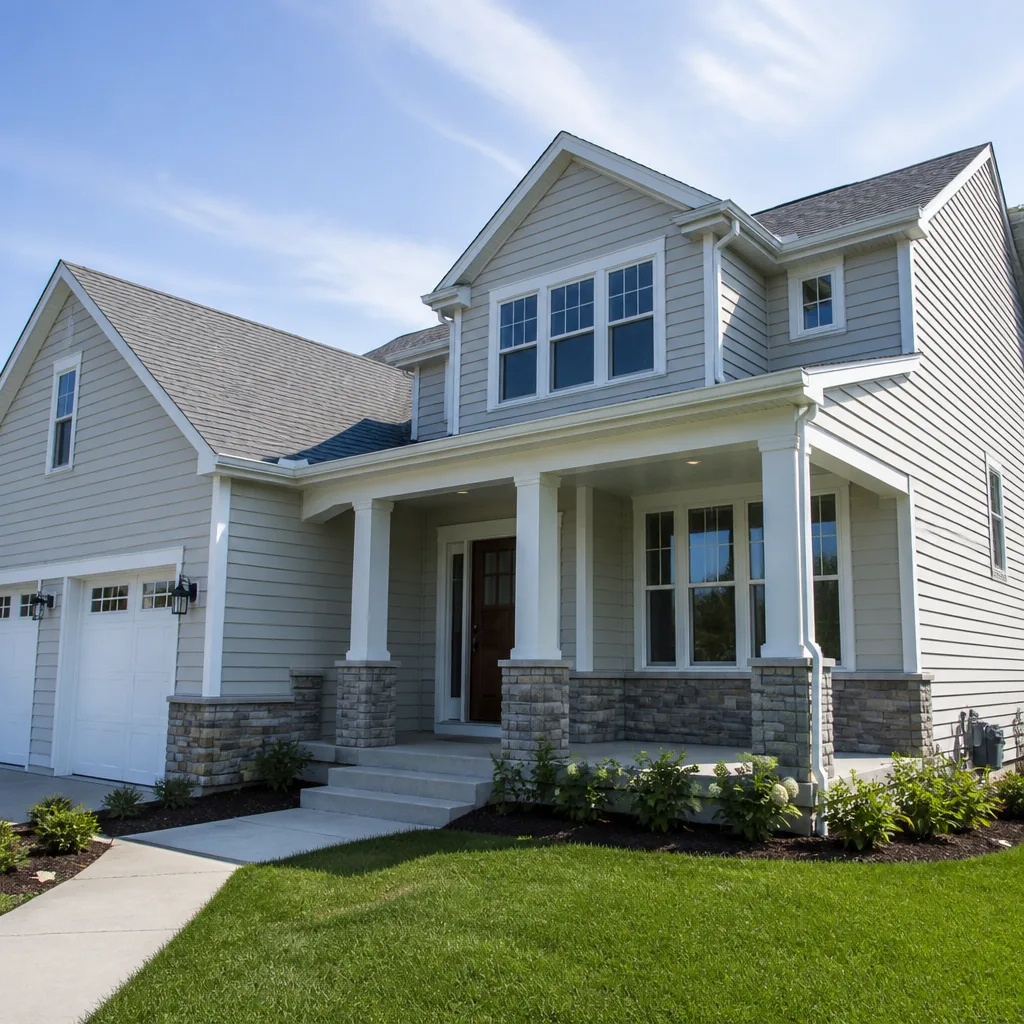
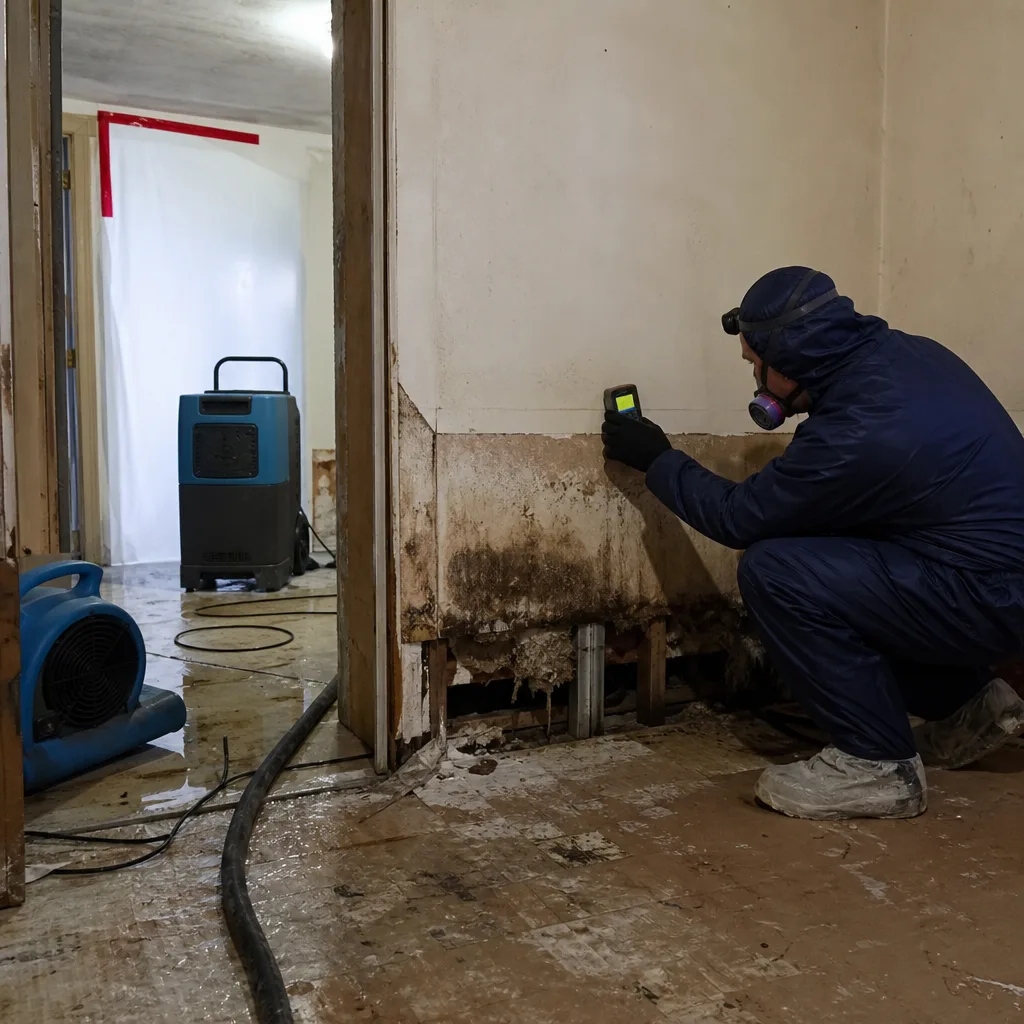 Before
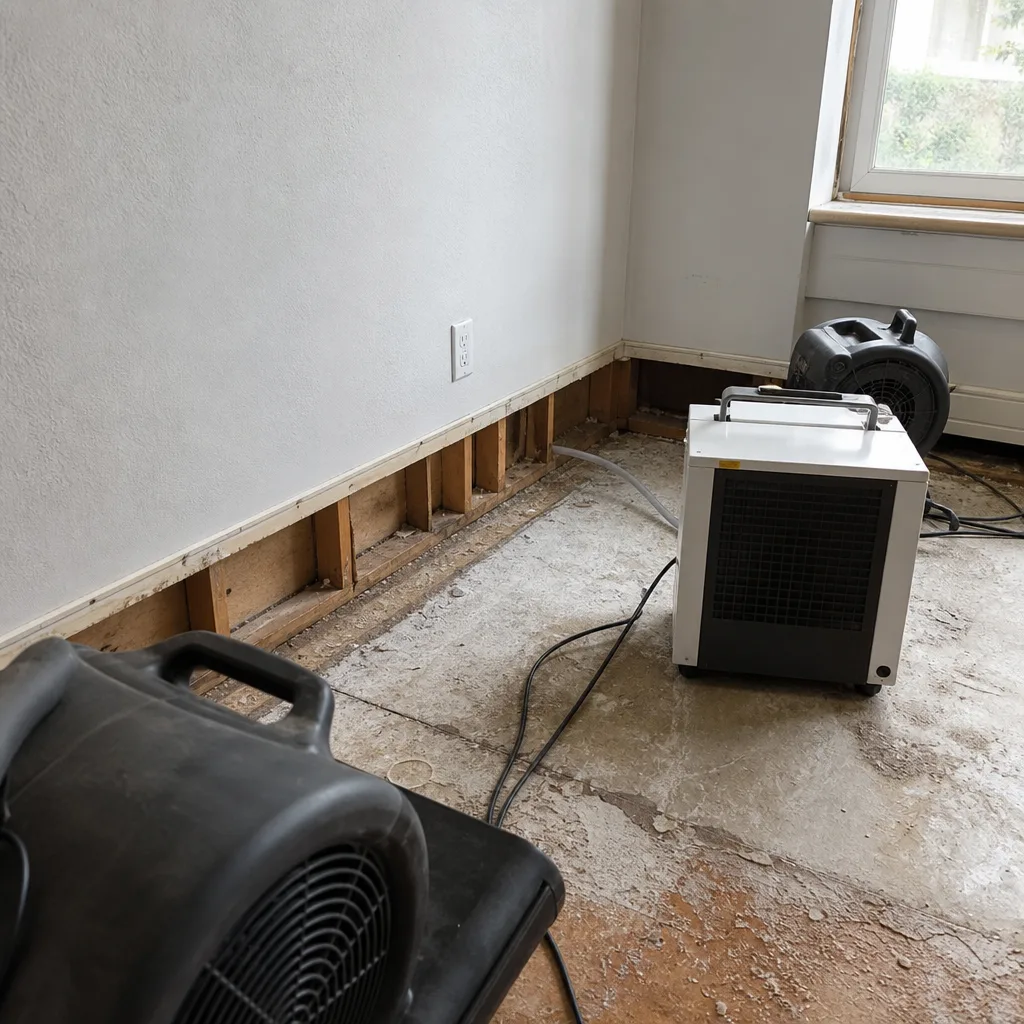 After
After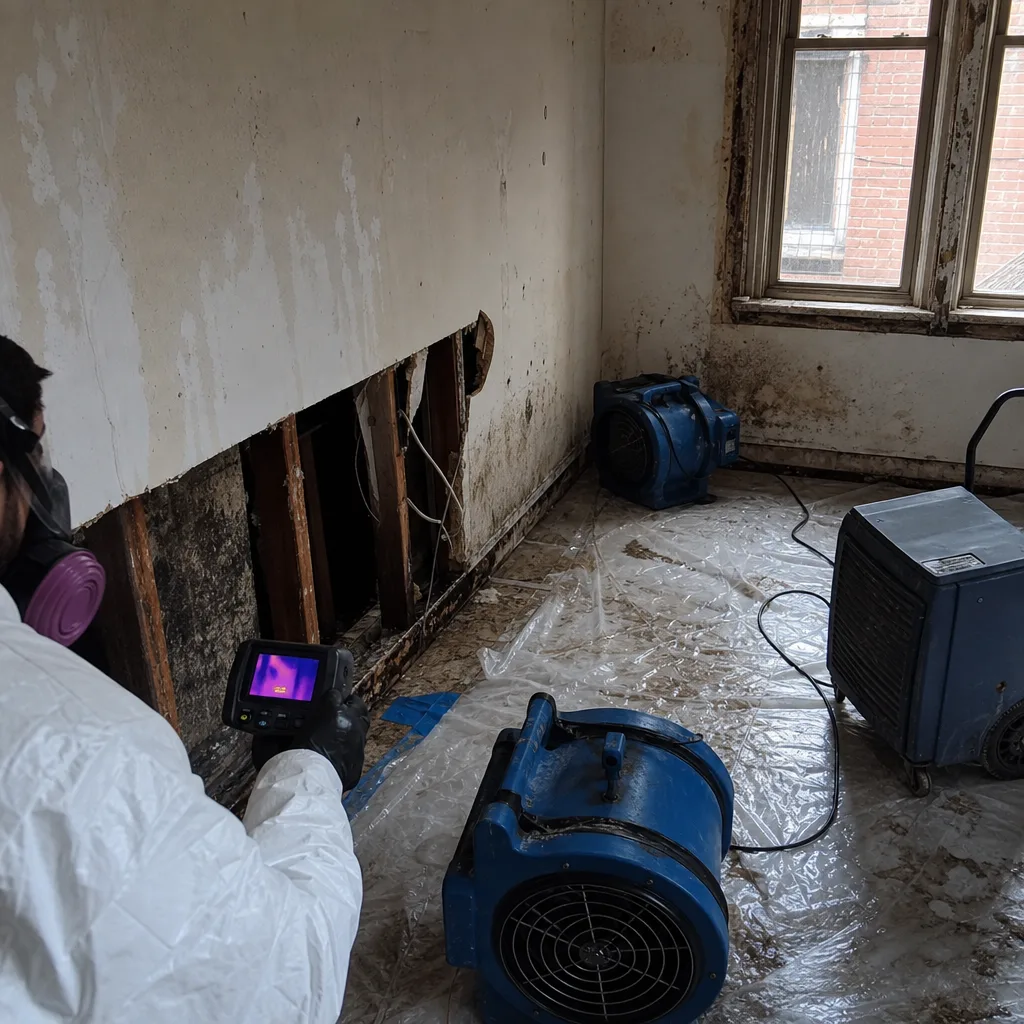 Before
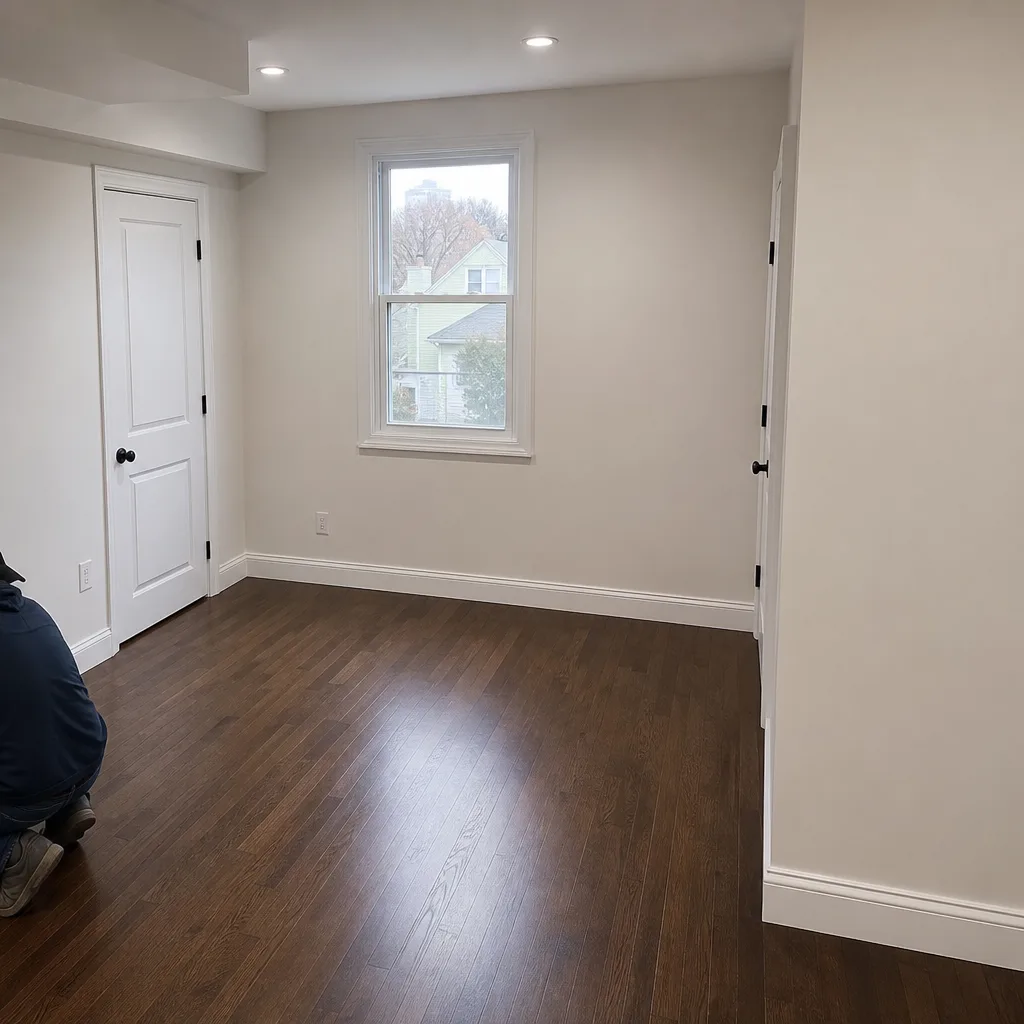 After
After24/7 Emergency Storm & Disaster Restoration in Upper Manhattan
Storm damage in Upper Manhattan doesn’t wait for business hours, and neither do we. A Nor’easter tears a roof membrane open at midnight, a freeze-thaw cycle sends a parapet cap through a fifth-floor window, a cast-iron stack lets go and floods three apartments at once. When you call (518) 800-3751, a live dispatcher answers, every time. That person puts a certified crew on the road to your building immediately. We dispatch from our New York City office to neighborhoods throughout Upper Manhattan, from Marble Hill to Morningside Heights, and we arrive prepared for what this housing stock actually throws at us.
The first hour matters most. Water moves down, through, and sideways inside pre-war walls. Plaster soaks it up and hides it. Cast-iron keeps rusting while you wait. The sooner extraction starts, the less damage spreads to the unit below, the less mold takes hold, and the more the insurance carrier sees documented, not guessed at.
Understanding Storm & Disaster Restoration Severity in Upper Manhattan Properties
Storm restoration in Upper Manhattan is rarely a one-surface problem. The buildings here, most constructed between 1890 and 1940, use horsehair plaster over wood lath, which holds water like a sponge and can stay wet for months without showing paint damage. A storm that breaches a roof membrane sends water into a top-floor ceiling cavity, where it travels along joists, saturates plaster keys, and drips into the apartment two floors below. By the time anyone sees a stain, the damage is weeks old.
We categorize water by contamination level. Category 1 is clean water from roof breaches or burst supply lines. Category 2 carries some contamination, typically from drainage overflows or shared plumbing. Category 3 is grossly contaminated, including sewage or street water forced in by flash flooding. Each requires different drying protocols, different cleaning agents, and different containment. In Upper Manhattan’s older buildings, we also check for hidden materials that change the entire sequence: vermiculite insulation, asbestos pipe wrap, lead paint. These are present in a large share of pre-war buildings and legally require abatement before restoration work proceeds.
Why Upper Manhattan Property Owners Choose Floodline Restoration Co.
- Live answer, 24/7: A real person picks up the phone at 2 a.m. No answering service, no callback request, no “press one for emergencies.”
- 45-minute response commitment: We tell you when the crew will arrive, and we’re there when we say. Our dispatchers know Upper Manhattan’s streets, not just a GPS route.
- IICRC-certified crews: Technicians hold certifications including WRT, FSRT, and AMRT, and are trained to RIA and IFA standards.
- Free visual inspection: We assess the visible damage and explain what we’re seeing before any work begins. Written scope first.
- Direct insurance billing: We invoice your carrier directly and talk to the adjuster ourselves. You don’t play messenger.
- One team, start to finish: The crew that extracts the water is the same crew that runs drying and handles the rebuild. No mid-job handoff.
Our Storm & Disaster Restoration Process
Inspection & Assessment
We arrive with thermal imaging cameras and moisture meters. In Upper Manhattan, that means mapping the entire wall cavity, not just the stain. We identify water category, check for asbestos or vermiculite at the opening point, and document everything photographically before any equipment is staged.
Extraction & Stabilization
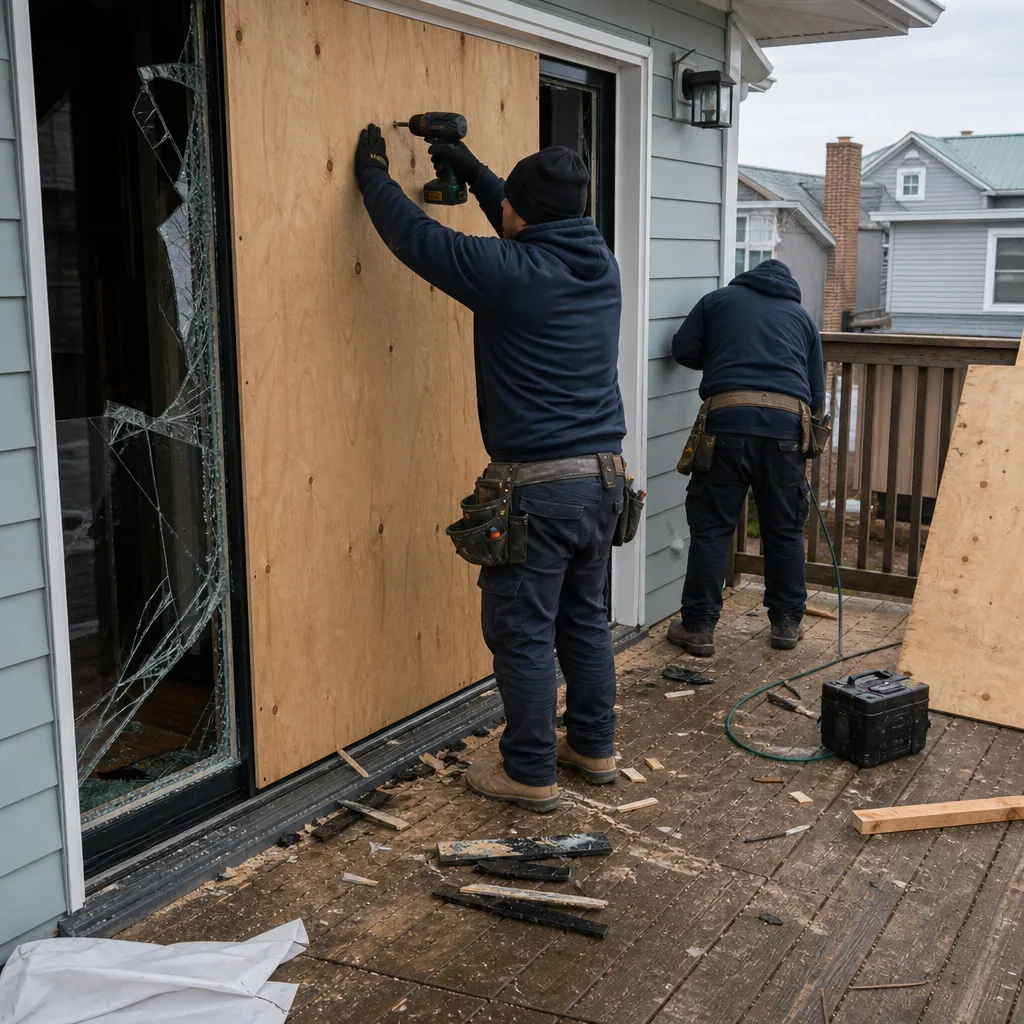
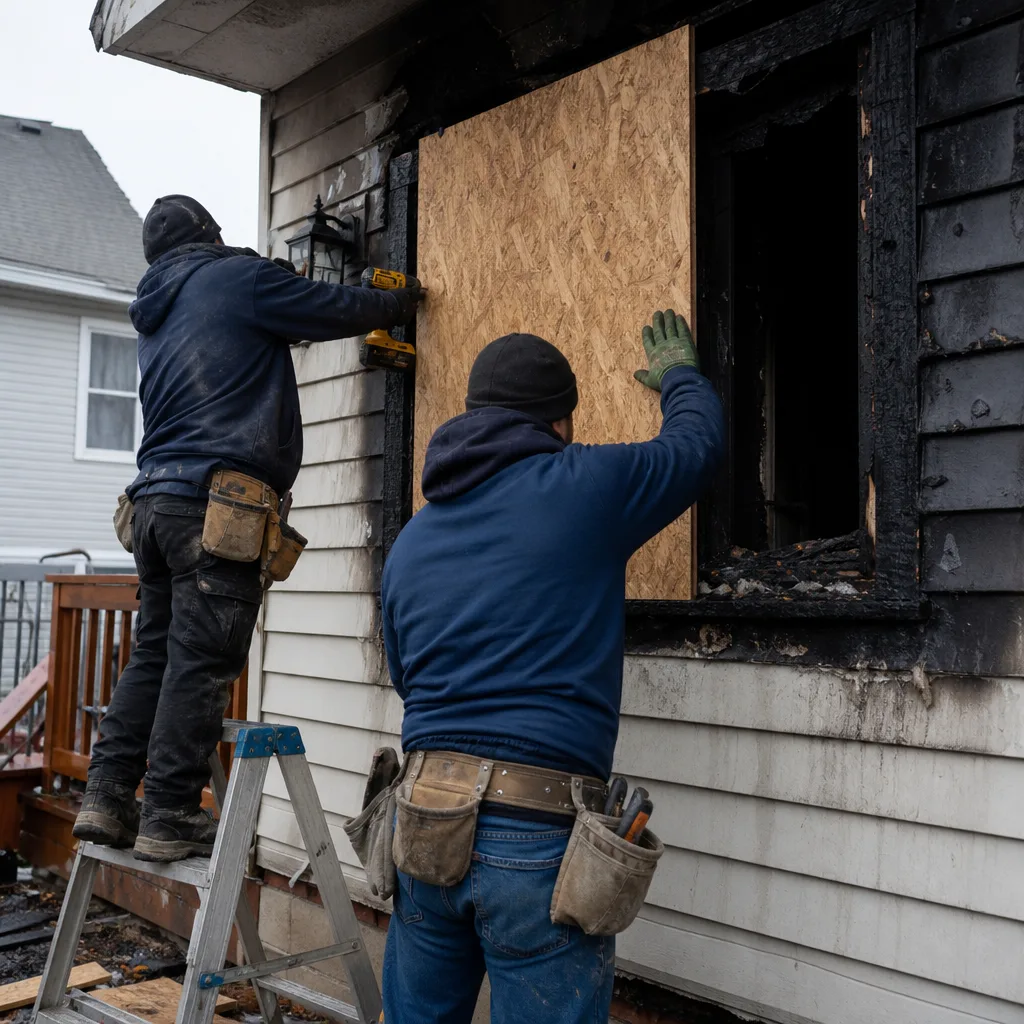
Water is extracted with truck-mounted systems and portable units. For storm breaches that include broken windows, skylights, or compromised roofs, we board up and tarp immediately so the interior work is protected from the next weather event.
Drying & Dehumidification
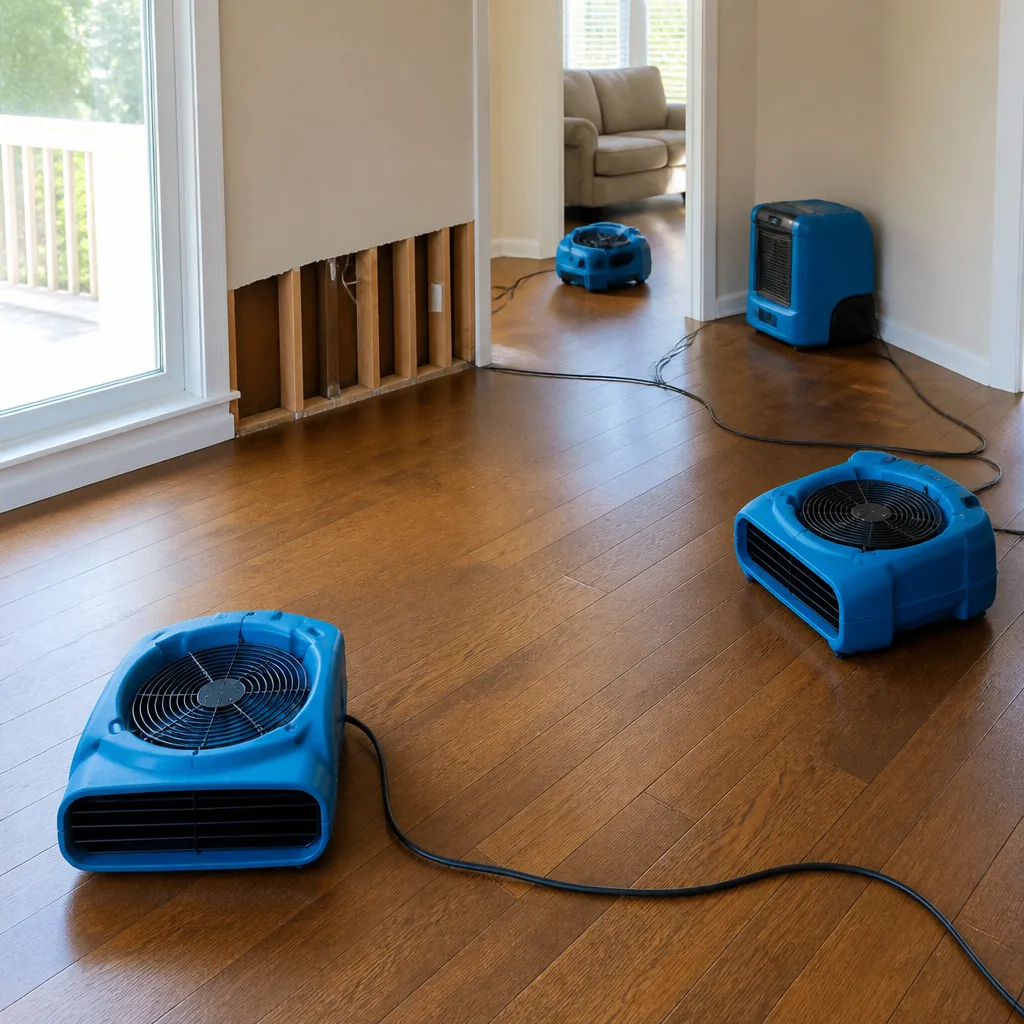
Dri-Eaz and Phoenix dehumidifiers, plus XPOWER air movers, are placed according to a moisture map. We take daily readings and log them, through the dry standard is met and beyond, so you and the carrier have a documented record.
Cleaning & Sanitization
Every affected surface is cleaned and sanitized using the correct agent for the water category. Contaminated categories get antimicrobial treatment. HEPA scrubbers run where there is any mold concern or significant latent moisture.
Specialty Treatment
For storm and disaster work in Upper Manhattan, this often means coordinating with a licensed NYC asbestos contractor before drying can proceed in older structures. We handle containment, sequencing, and the handoff so the job keeps moving.
Repairs & Restoration
We rebuild what was damaged: drywall, plaster, flooring, trim, and any structural elements. The same certified team, the same project manager, the same accountability. Backed by our 90-Day Done Right Promise, in writing.
Need Emergency Storm & Disaster Restoration in Upper Manhattan Now?
Crews minutes away, answering live 24 hours a day. The sooner we start, the less it costs.
Working With Your Insurance Company
The insurance conversation starts the moment we arrive. We photograph everything before we touch it, document the condition of each room, and record moisture readings with date and time stamps. The estimate we prepare uses industry-standard line items that adjusters recognize. When your carrier’s adjuster calls, we talk to them directly, provide the photos, the moisture logs, the drying log, and the full scope of work. You never carry paperwork back and forth. For Storm & Disaster Restoration claims, we have seen how direct communication with the carrier shortens approval times and prevents disputes about pre-existing conditions. Our approach: document the loss thoroughly, price the work honestly, and give the carrier everything they need to approve a claim.
What We Provide Your Insurer
- Thorough documentation of the loss
- Photos of all damage, room by room
- Moisture readings and drying logs
- A detailed, line-item scope of work
- Direct coordination with your carrier
Built for Upper Manhattan’s Loss Calendar
January and February in Upper Manhattan bring deep freezes that crack supply lines and split radiators, especially in pre-war buildings with original plumbing. When a frozen pipe thaws above a Washington Heights apartment, the released water migrates through horsehair plaster and into the unit below. March and April bring freeze-thaw cycles that work on flat-roof parapets and terracotta caps, causing roof-originated water damage that tenants assume is a plumbing problem. Summer thunderstorms dump flash flooding onto Amsterdam Avenue and Broadway corridors, where basement-level apartments and building mechanicals sit below grade and take water through foundation walls and elevator pits. Fall Nor’easters slam against the Hudson-facing sides of the borough, driving rain horizontally into brick facades that have already absorbed a century of weather. Every one of these is a known Upper Manhattan failure mode, and we plan for it.
Storm & Disaster Restoration Across Upper Manhattan’s Neighborhoods
In Washington Heights, the walk-ups along Broadway and Fort Washington Avenue are largely 1920s brick, with flat roofs, parapet copings, and original cast-iron stacks. A tenant’s “new” ceiling stain is often a roof breach that has been saturating plaster for a year or more. In Inwood, the terrain along Dyckman Street and Payson Avenue shifts closer to pre-war and early post-war stock, where roof drains get clogged with leaf litter in the fall and pond water into top-floor units. Hamilton Heights, with its brownstones along Convent Avenue, sees basement seepage after heavy rain when perimeter drains back up. Harlem, from Central Harlem to East Harlem, has a mix of brownstone rows and NYCHA towers, where shared plumbing stacks mean a single failure in a bathroom wall can cascade through five or six stacked apartments. And in Morningside Heights, the large residential buildings near Columbia University often have slate or membrane roofs that have seen decades of patchwork. Different stock, different failure patterns, same principle: we map the building, not just the stain.
Specialized Storm & Disaster Restoration Services We Offer in Upper Manhattan
Storm Damage Cleanup
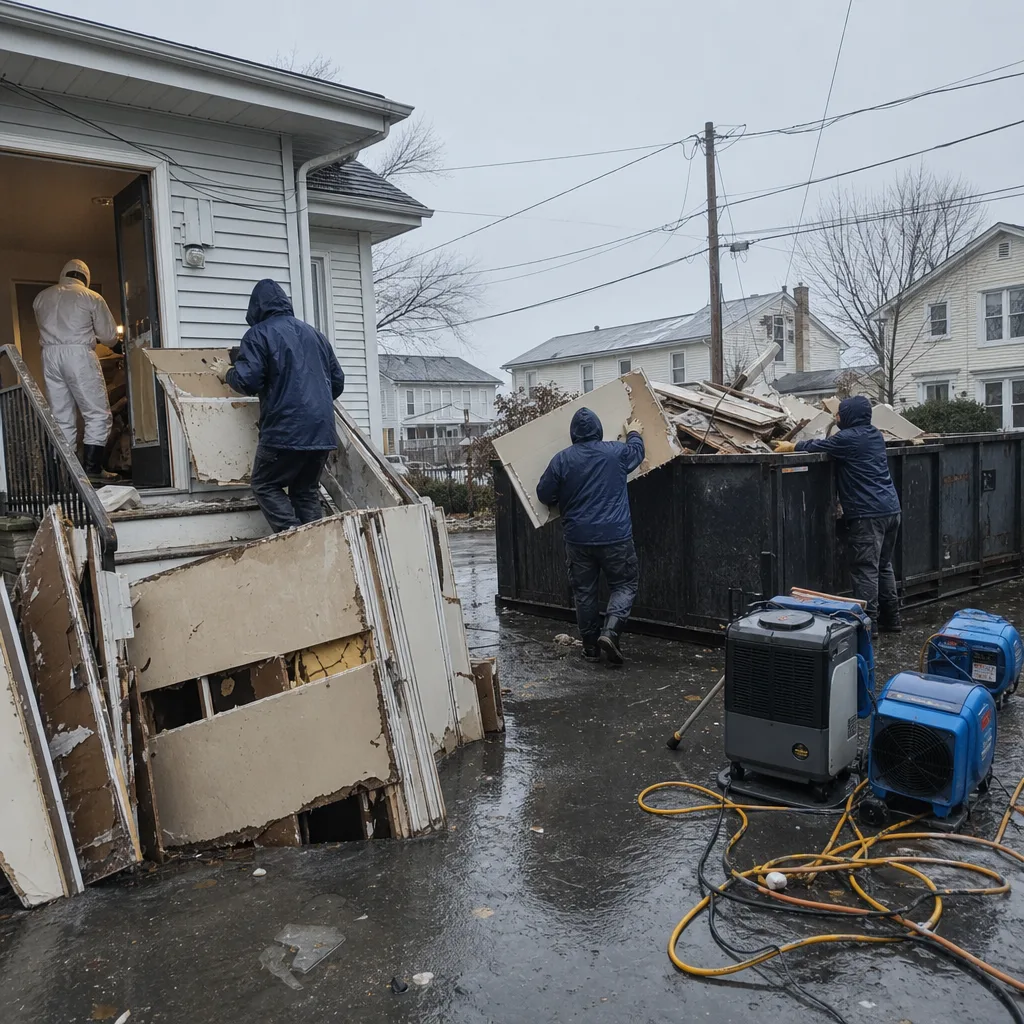
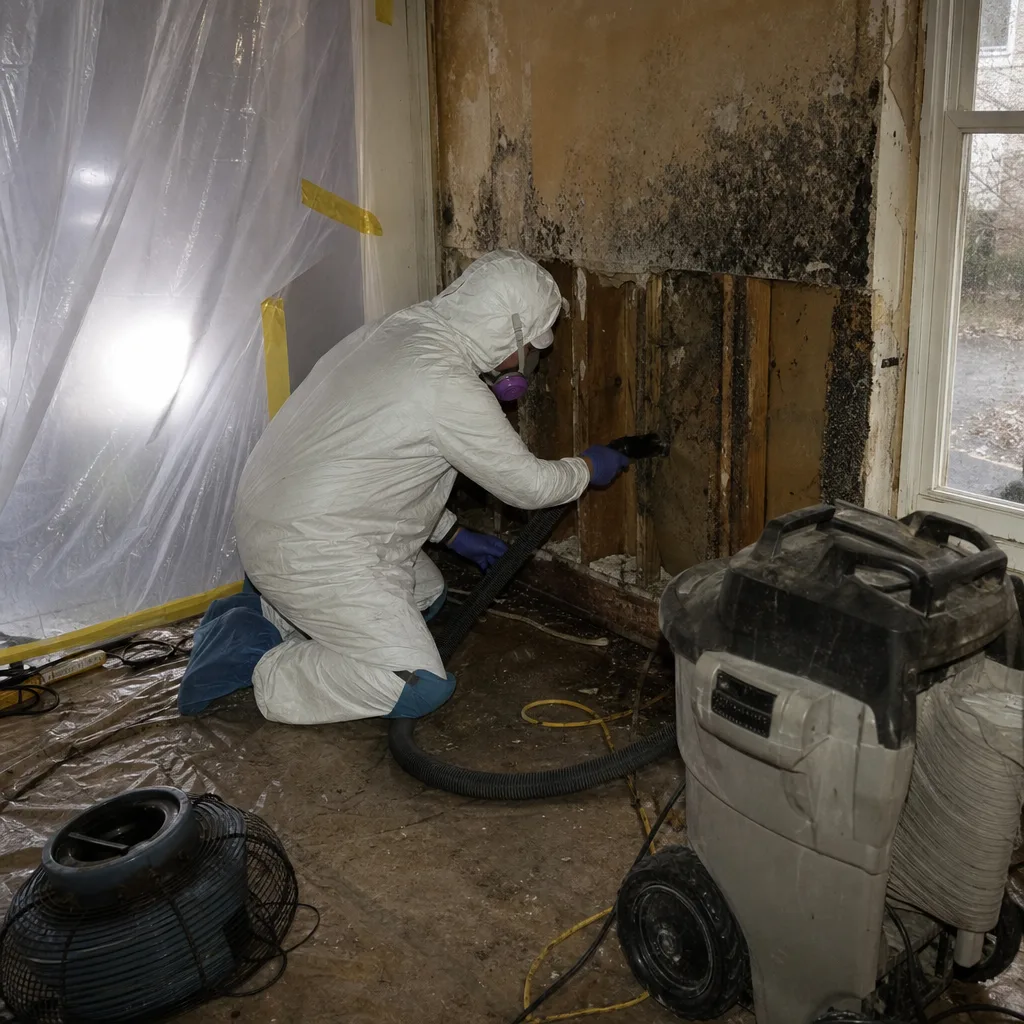
After a severe storm, we remove water, debris, and damaged building materials from affected apartments, hallways, and mechanical rooms. In Upper Manhattan, this often means working in occupied buildings, coordinating with building staff, and keeping stairwells passable while we work.
Roof Tarping
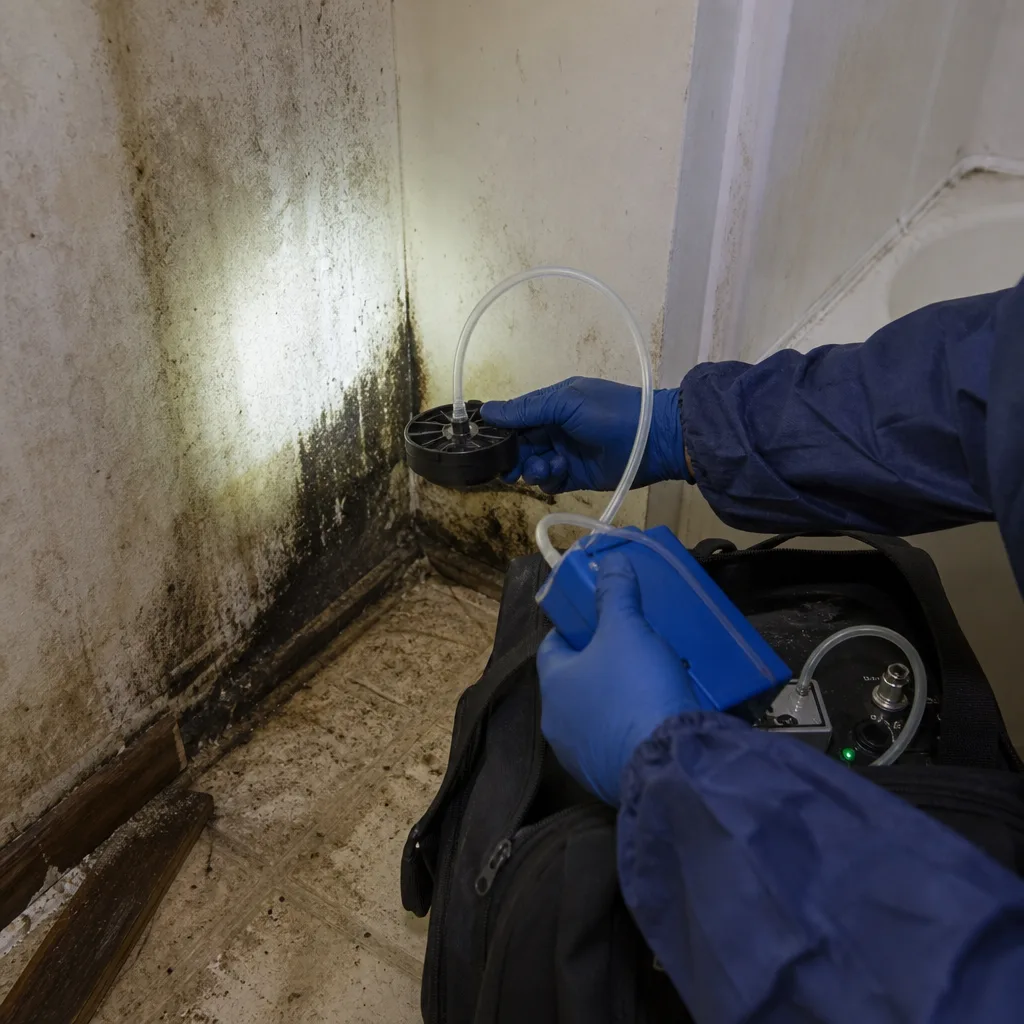
When a storm tears a section of roof membrane or sends a tree branch through a skylight, we tarp the opening immediately. This is temporary but essential: it stops additional water from entering while a permanent repair is scheduled. In Washington Heights and Inwood, flat roofs make tarping a specific skill, anchored securely against wind shear.
Water Extraction
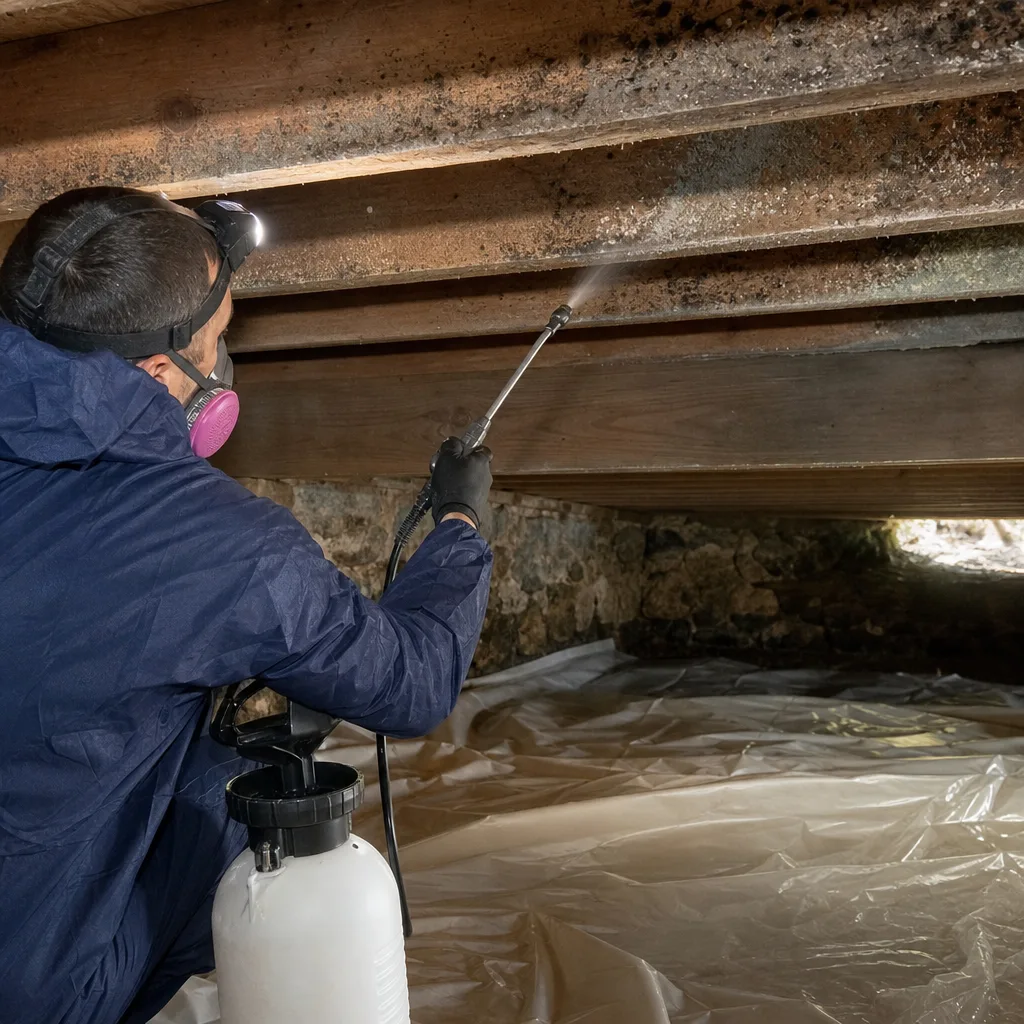
Using truck-mounted extraction and portable units, we remove standing water from floors, wall cavities, and subfloor spaces. In pre-war buildings, this is not a surface-level job. Water gets behind baseboards, under flooring, and into plaster walls. We pull it out before drying starts.
Emergency Board-Up
Broken windows, compromised entry doors, or damaged storefronts get boarded securely, often the same visit. In Upper Manhattan, where many buildings sit directly on the sidewalk, a properly boarded opening is both a security measure and a legal responsibility for the owner.
Debris Removal
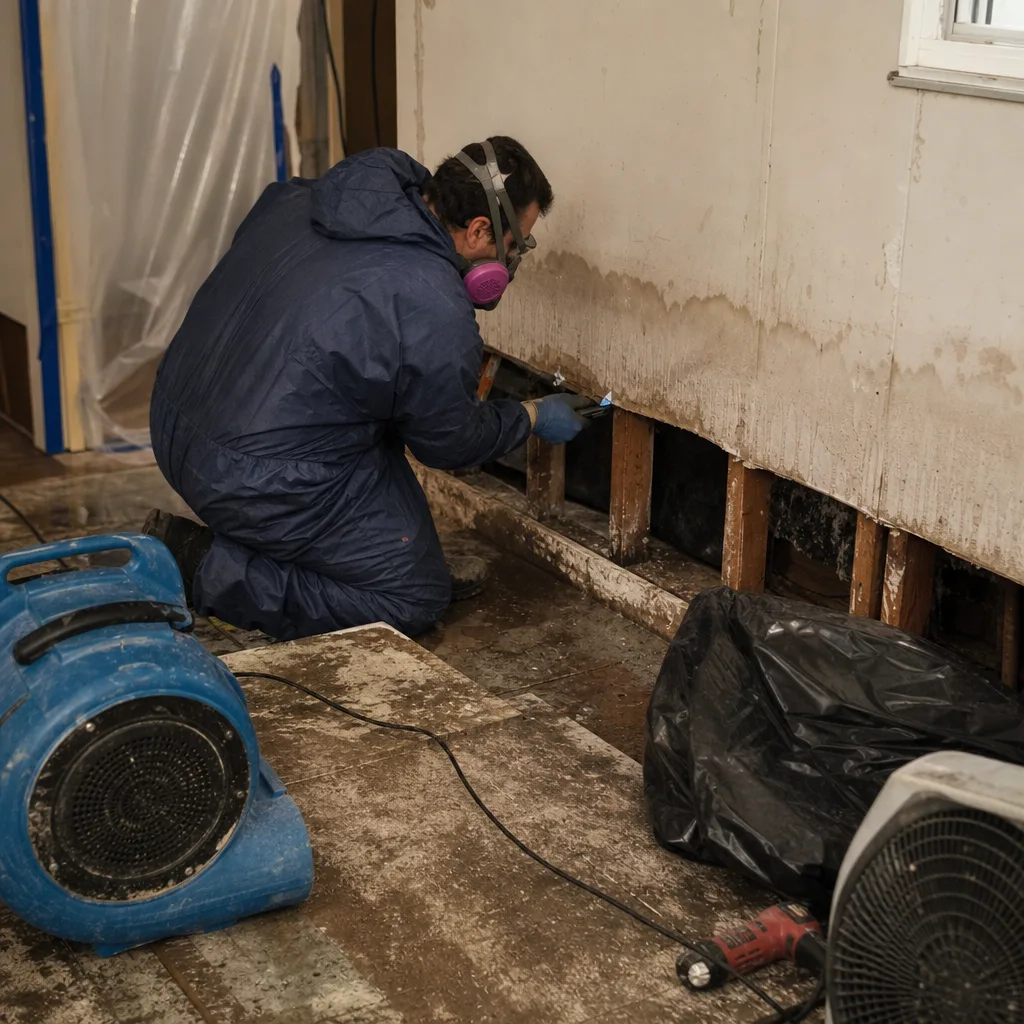
Storm debris, including fallen ceiling sections, wet insulation, and damaged drywall, gets bagged and removed. We follow NYC disposal requirements, including separate handling for materials that test positive for asbestos.
What happens when you call
- 1
A real person answersNo phone trees - you reach a local pro.
- 2
You get an upfront price rangeHonest numbers before anyone is dispatched.
- 3
A background-checked tech heads outLicensed & insured, dispatched right away.
- 4
You approve before work beginsNothing starts until you say go.
Storm & Disaster Restoration Costs in Upper Manhattan, NY
A typical roof leak restoration in a Washington Heights top-floor unit runs $2,800 to $7,500, depending on how far the water traveled before it was found. Full apartment flooding from a burst supply line usually lands between $3,500 and $9,000. Board-up and tarping as a standalone emergency service runs $450 to $1,200. Drying and dehumidification for a single-room water event is generally $1,200 to $3,000. Multi-floor building-wide water mitigation, where a shared stack or roof breach affects several units, runs $12,000 to $40,000 or more, depending on the number of units and the degree of asbestos or lead testing required.
What moves the price is the extent of hidden moisture, not just visible damage. Plaster walls hide water far longer than drywall. Cast-iron pipes fail without warning and leak inside wall cavities. The free inspection is the path to a firm scope. We measure moisture, we explain what we found, and we put the numbers in writing before any work starts. Insurance typically covers the bulk of storm restoration, and we bill the carrier directly.
We Also Serve Cities Near Upper Manhattan
Floodline Restoration Co. also provides Storm & Disaster Restoration in Upper Manhattan and the surrounding areas, including Astoria, Ditmars Steinway, Upper East Side, and Jackson Heights. Our crews know the building stock in each, and the same 24/7 live dispatch covers them all.
Serving Upper Manhattan, NY - Our Local Coverage Area
We’re based in the Upper Manhattan area and know this community well. Use the map below to see our service coverage - if you’re nearby, we can almost certainly help.
Upper Manhattan Storm & Disaster Restoration Questions, Answered
Why does a roof leak in a Washington Heights top-floor unit usually mean more than just drying my ceiling?
Because the water didn’t stay in the ceiling. In pre-war construction, water from a roof breach travels along joists, saturates horsehair plaster walls, and can drip into the units below. The visible stain is the last stop, not the first. We moisture-map the entire wall cavity, not just the stain, because hidden saturation re-blooms within weeks if it isn’t dried properly. If you see a stain, call (518) 800-3751 for a free inspection.
Do older Upper Manhattan buildings often contain asbestos that affects restoration work?
Yes, frequently. Pre-war buildings in Upper Manhattan often have asbestos pipe wrap, vermiculite insulation, and asbestos-containing plaster. If we open a wall and find these materials, NYC regulations require a licensed asbestos contractor to handle abatement before drying equipment goes in. We sequence it: contain the area, bring in the certified abatement contractor, then run structural drying. It is routine for us, but it changes the timeline. Call (518) 800-3751 and we’ll tell you what applies to your building.
What should a landlord do when a tenant reports water damage in a shared-stack building?
Contact us immediately and authorize a building-wide moisture reading, not just a single-unit scope. In shared-stack Upper Manhattan buildings, water in one wall often means water in the neighboring unit’s wall, and a single-unit mitigation leaves you exposed to incomplete-work claims later. We document the full extent of migration and provide the report to your carrier. Call (518) 800-3751 for faster containment.
How do freeze-thaw cycles on flat roofs lead to indoor storm damage?
Water gets into small cracks in the roof membrane or parapet cap. When it freezes, it expands and widens those cracks. Repeat that for a few winters and you have an open channel for water, especially during the spring thaw. In Upper Manhattan, terracotta parapet caps on pre-war flat roofs are especially vulnerable. The result is indoor water damage in top-floor units that has nothing to do with plumbing.
Are there specific protocols for drying a pre-war brick rowhouse versus a modern apartment?
Yes. Pre-war buildings use horsehair plaster, which holds far more water than drywall and dries much more slowly. They also often have materials, like asbestos wrap or vermiculite, that require testing before restoration can proceed. We also watch for cast-iron plumbing that may have been damaged by the same event. Modern apartments dry faster and with fewer sequencing constraints. Our drying plans are specific to the building.
How fast can a crew actually reach Upper Manhattan?
Our commitment is 45 minutes to arrival in Upper Manhattan, 24 hours a day. We staff live dispatch around the clock, so the call is answered by a person who knows the neighborhoods and can route the nearest crew immediately. In a water event, that arrival time is often the difference between a contained unit and a multi-floor loss.
Will insurance cover storm and disaster restoration in Upper Manhattan?
In most cases, yes. Storm damage is a covered peril under standard policies, and we bill your carrier directly. We document from the first hour, provide moisture logs and photos, and talk to the adjuster ourselves. Your out-of-pocket is typically the deductible, and we’ll confirm the scope before work starts. Call (518) 800-3751 and we’ll walk you through what your policy says.
What should I do in the first 30 minutes after storm damage hits my Upper Manhattan property?
Shut off the water if you can do so safely, or call your building maintenance. Move small valuables out of the path. Do not enter standing water that could be in contact with electricity. Then call us at (518) 800-3751. We’ll talk you through what can wait and what can’t, and we’ll have a crew on the way. The faster we start extraction, the less damage spreads through those pre-war walls.
Storm and disaster restoration in Upper Manhattan is not a one-size-fits-all job. It’s knowing what’s inside a 1920s Washington Heights wall before you open it, knowing how water migrates through horsehair plaster, and knowing which questions to ask the landlord before the scope is written. Our crews are trained to IICRC, RIA, and IFA standards, work with professional-grade equipment from Dri-Eaz, Phoenix, and XPOWER, and we stand behind every job with the 90-Day Done Right Promise. In writing, no argument, done right. If you’re looking at water where it shouldn’t be, call (518) 800-3751. A live person answers, and the crew is on the way.
Written by Curt Bowman, Owner at Floodline Restoration Co., serving Upper Manhattan with 24/7 emergency storm and disaster restoration.